
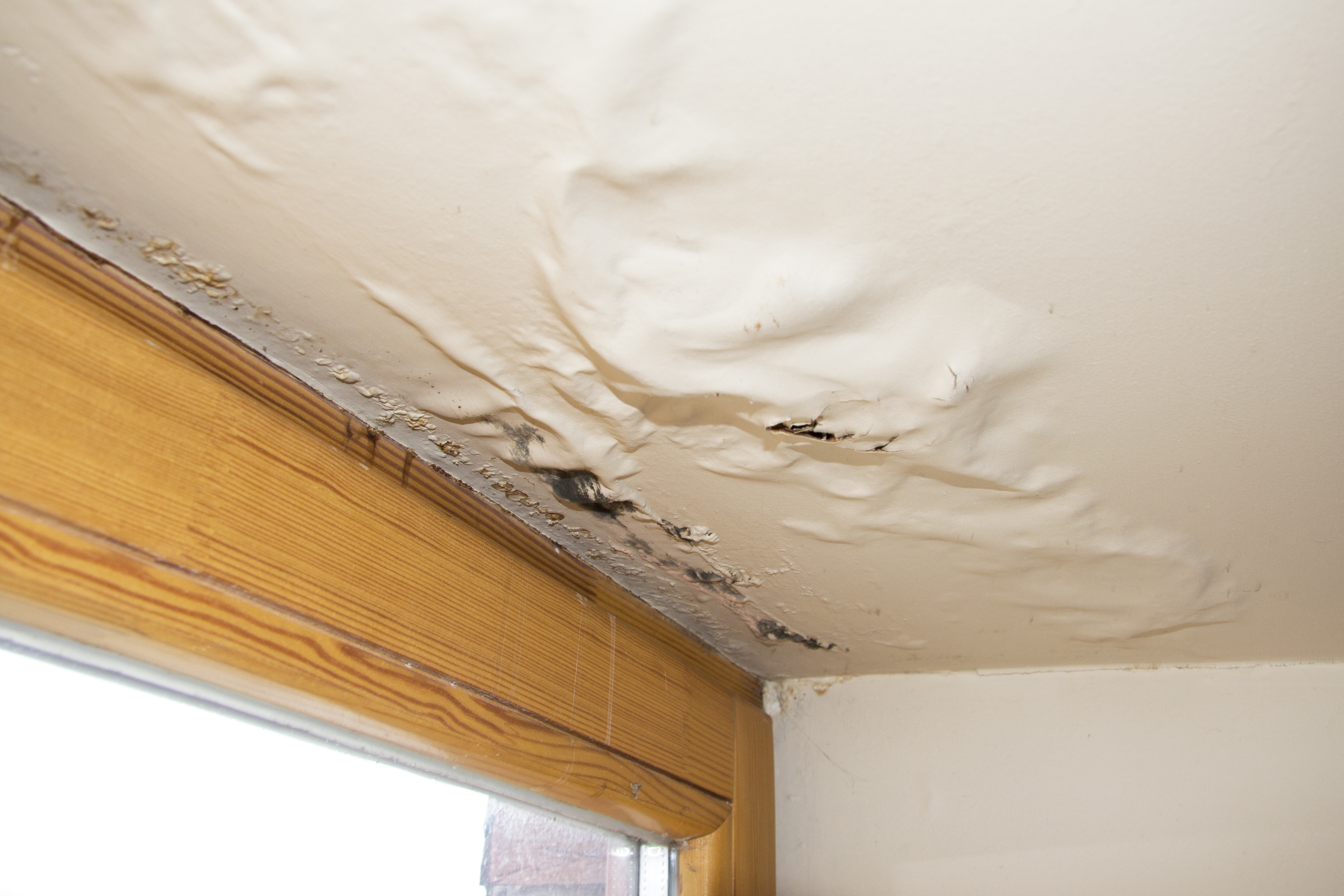
Why Indoor Air Quality Improvement Matters in Margate after Roof Leaks
Roof leaks are one of the most common and potentially destructive issues homeowners in Margate, Florida face. The combination of tropical rains, aging roofing systems, and high humidity makes water intrusion a frequent problem. While most homeowners focus on visible damage like water stains, ceiling sagging, or damaged insulation, one often-overlooked consequence is the effect on indoor air quality (IAQ). Poor IAQ caused by water intrusion can lead to health issues, structural deterioration, and decreased property value.
This guide explores why indoor air quality improvement is critical after roof leaks in Margate homes, detailing the causes, health risks, detection methods, remediation solutions, and preventive strategies for homeowners. It provides a comprehensive overview exceeding 1,200 words, offering actionable insights for protecting both your home and your family.
Understanding the Link Between Roof Leaks and Indoor Air Quality
Roof leaks are more than just cosmetic problems. When water penetrates roofing materials, it can:
- Soak insulation, drywall, and wooden structures
- Accumulate in attics, ceilings, or walls without immediate detection
- Create conditions favorable for mold and mildew growth
- Introduce bacteria, dust, and debris into the indoor environment
Moisture trapped within walls or ceilings directly impacts indoor air quality because it encourages microbial growth. As mold, mildew, and bacteria proliferate, spores and particles can circulate through the HVAC system or naturally through airflow, reducing air quality and increasing health risks for occupants.
Why Margate Homes Are Particularly Vulnerable
Several factors make Margate homes especially prone to IAQ issues following roof leaks:
- High Humidity: Florida’s tropical climate keeps indoor humidity high, accelerating mold growth once water infiltrates a home.
- Frequent Rain and Storms: Seasonal storms and heavy rainfall increase the risk of roof damage and water intrusion.
- Aging Roofing Materials: Older homes may have deteriorating shingles or flashing, which fail to prevent water entry.
- Attic and Ceiling Design: Poorly ventilated attics trap moisture, allowing mold to grow undetected.
- HVAC Systems: Air conditioning ducts can spread spores and allergens throughout the home if moisture is present.
These factors create an environment where even small leaks can have a profound impact on indoor air quality.
Health Risks Associated with Poor Indoor Air Quality
Exposure to compromised indoor air following roof leaks can lead to several health problems:
1. Allergies and Respiratory Irritation
Mold spores, dust, and bacterial particles can trigger allergic reactions, causing:
- Sneezing
- Runny nose
- Watery eyes
- Coughing
- Throat irritation
Individuals with asthma or respiratory conditions may experience exacerbated symptoms.
2. Mold-Related Illnesses
Prolonged exposure to mold can contribute to:
- Chronic respiratory infections
- Sinus congestion
- Fatigue and headaches
- Immune system stress
Certain species of mold, such as Stachybotrys chartarum (black mold), can produce mycotoxins that are harmful if inhaled.
3. Bacterial Exposure
Roof leaks may carry bacteria from contaminated insulation, wood rot, or debris. This can lead to infections, gastrointestinal issues, or other health complications.
4. Indoor Odors and Mental Wellbeing
Persistent musty odors from mold or mildew can negatively impact comfort, concentration, and mental wellbeing.
Detecting Indoor Air Quality Issues After Roof Leaks
Early detection is essential to prevent long-term health and structural problems. Homeowners should look for:
- Visible Signs of Mold or Mildew: Black, green, or white growth on ceilings, walls, or attic spaces.
- Musty or Stale Odors: Often an indicator of hidden moisture and microbial growth.
- Water Stains or Discoloration: Yellow, brown, or dark spots on ceilings or walls.
- Warped or Peeling Materials: Wood, drywall, or wallpaper may warp due to trapped moisture.
- Allergy-Like Symptoms: Occupants experiencing unexplained respiratory issues may indicate poor IAQ.
Professional indoor air quality testing provides objective measurements using advanced tools:
- Air Sampling: Detects mold spores, bacteria, and airborne particles.
- Surface Sampling: Identifies mold or microbial colonies on building materials.
- Humidity Monitoring: Measures indoor moisture levels that promote microbial growth.
- HVAC Inspection: Ensures air ducts are not contaminated or circulating spores.
Steps to Improve Indoor Air Quality After Roof Leaks
Addressing IAQ issues after a roof leak requires a systematic approach:
Step 1: Roof Leak Repair
The first step is repairing the source of water intrusion:
- Replace damaged shingles or flashing
- Seal gaps around vents and chimneys
- Ensure proper attic ventilation to prevent condensation
Fixing the roof prevents additional water from exacerbating IAQ problems.
Step 2: Water Extraction and Drying
Moisture trapped in insulation, drywall, or wood must be removed:
- Industrial air movers and dehumidifiers accelerate drying
- Wet materials may require removal to prevent mold growth
- Monitoring moisture levels ensures thorough drying
Quick and effective drying prevents microbial growth and protects indoor air.
Step 3: Mold and Mildew Remediation
If mold or mildew is detected:
- Contaminated materials such as drywall or insulation may need removal
- Professional remediation teams use HEPA filtration and antimicrobial treatments
- Sealing cleaned areas prevents spores from spreading
Mold remediation directly improves indoor air quality and occupant safety.
Step 4: HVAC Cleaning and Maintenance
HVAC systems can spread airborne contaminants:
- Duct cleaning removes dust, spores, and debris
- Air filters should be replaced regularly
- Dehumidifiers integrated with HVAC systems reduce indoor humidity
Clean, well-maintained systems are essential for healthy air circulation.
Step 5: Air Purification
Consider air purification methods to reduce airborne contaminants:
- HEPA filters capture fine particles including mold spores
- Activated carbon filters remove odors and volatile organic compounds (VOCs)
- UV light systems help inhibit microbial growth in HVAC systems
These systems complement other moisture and mold control measures.
Step 6: Monitoring and Maintenance
Preventing future IAQ issues requires ongoing vigilance:
- Regular roof inspections and maintenance
- Routine moisture and humidity checks
- Seasonal HVAC inspections
- Prompt attention to small leaks before they worsen
Continuous monitoring ensures the home remains safe and healthy long-term.
Preventive Measures for Margate Homeowners
In addition to reactive measures, proactive steps can safeguard indoor air quality:
- Roof Maintenance: Inspect roofs semi-annually, especially after storms.
- Gutter Cleaning: Ensure proper drainage to reduce water pooling and infiltration.
- Attic Ventilation: Install vents or fans to prevent condensation.
- Waterproofing: Seal attics, windows, and foundation cracks.
- Humidity Control: Use dehumidifiers during the humid season.
- Routine IAQ Testing: Annual or post-storm testing ensures early detection.
Preventive action reduces long-term costs, protects health, and preserves home value.
Long-Term Impacts of Neglecting Indoor Air Quality
Ignoring IAQ problems after roof leaks can lead to:
- Persistent mold growth and recurring odors
- Chronic health issues for occupants
- Structural damage due to ongoing moisture exposure
- Increased maintenance and repair costs
- Reduced property value and marketability
Proactive IAQ improvement and water damage mitigation are more cost-effective than dealing with chronic or severe issues.
Professional Services for IAQ Improvement
Homeowners in Margate should consider professional services for comprehensive solutions:
- Water Damage Restoration Companies: Address roof leaks and remove moisture.
- Certified Mold Remediation Specialists: Safely remove mold and treat affected areas.
- Indoor Air Quality Experts: Conduct testing, recommend filtration, and monitor improvements.
- HVAC Cleaning Services: Ensure ducts and air systems are free from contaminants.
Using professionals ensures accurate detection, safe remediation, and long-term protection.
Conclusion
Indoor air quality improvement is essential for Margate homes following roof leaks. Water intrusion creates an environment where mold, mildew, and bacteria can thrive, posing significant health risks and structural concerns. By understanding the causes, early warning signs, detection methods, and solutions, homeowners can take proactive steps to restore and maintain healthy indoor air.
Key actions include repairing roof leaks, drying affected areas, remediating mold, cleaning HVAC systems, installing air purification, and monitoring indoor humidity. Preventive maintenance, regular inspections, and professional guidance further protect homes from recurring problems.
Prioritizing indoor air quality not only safeguards the health of residents but also preserves property value, prevents costly repairs, and ensures a comfortable and safe living environment. For homeowners in Margate, acting promptly after roof leaks is critical to preventing long-term IAQ problems and creating a healthy home.
