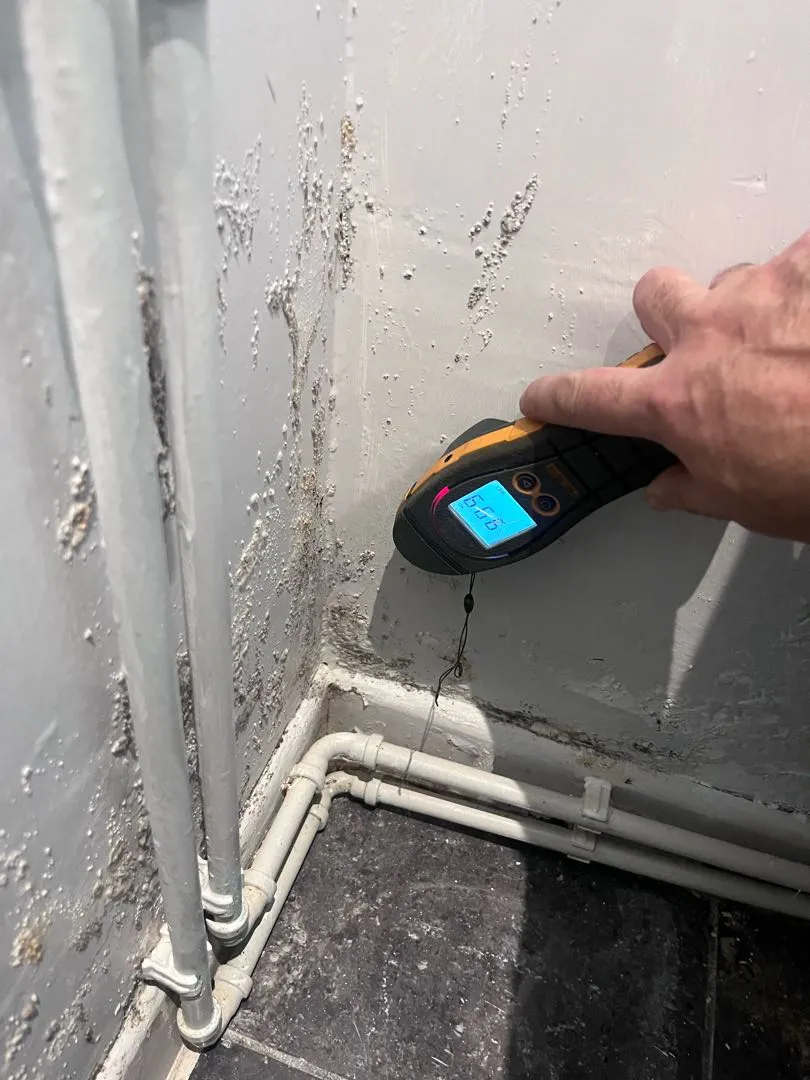
Why Moisture Detection Matters in Lighthouse Point after Plumbing Leaks
Plumbing leaks are one of the most common causes of hidden moisture damage in homes across Lighthouse Point. Even a small leak under a sink, behind a wall, or beneath flooring can allow water to spread into building materials where it remains trapped. Because this moisture is often invisible, damage can continue for weeks before anyone notices a problem.
In coastal communities like Lighthouse Point, Pompano Beach, and Deerfield Beach, high humidity and warm temperatures make it even harder for damp materials to dry naturally. That is why moisture detection plays such an important role after any plumbing leak, whether large or small.
Understanding how moisture spreads, where it hides, and how it is properly identified helps homeowners and property managers protect their homes and prevent long-term damage.
What Happens After a Plumbing Leak
When a pipe leaks, water rarely stays in one place. It travels along framing, seeps into drywall, saturates insulation, and can spread beneath flooring or inside cabinets.
The visible water may be cleaned up quickly, but hidden moisture often remains trapped in materials that dry slowly. Wood framing, subflooring, and drywall can hold moisture for long periods, especially in humid environments.
Without proper detection and drying, this hidden moisture can lead to mold growth, structural weakening, and unpleasant odors.
Why Plumbing Leak Moisture Is So Common in Lighthouse Point
Homes in Lighthouse Point face conditions that make moisture problems more likely to develop and persist.
Several local factors contribute:
- High coastal humidity slows natural drying
- Warm indoor temperatures encourage mold growth
- Older plumbing systems in some neighborhoods increase leak risk
- Storm activity can shift pipes or worsen small leaks
- Air conditioning systems create temperature differences that lead to condensation
In nearby areas like Fort Lauderdale, Margate, and Coconut Creek, similar conditions exist, but coastal humidity in Lighthouse Point often makes drying even more challenging.
Common Signs Homeowners Notice After a Leak
Some warning signs appear quickly, while others take time to develop.
Homeowners often notice:
- Musty or damp odors
- Discoloration or stains on walls or ceilings
- Warped baseboards or flooring
- Peeling paint or bubbling drywall
- Cabinets or closets that feel damp
- Increased humidity indoors
Sometimes the only sign is a persistent smell or a slight change in indoor air quality. These subtle changes often indicate moisture hidden behind walls or beneath surfaces.
Hidden or Overlooked Sources of Moisture
One of the biggest challenges after plumbing leaks is that moisture often spreads beyond the visible damage.
Water may travel:
- Behind drywall and insulation
- Beneath tile or laminate flooring
- Inside wall cavities
- Along framing and structural supports
- Into nearby ductwork or air handler closets
These areas can remain damp long after surfaces appear dry, which is why visual inspection alone is rarely enough.
Why DIY Drying and Cleanup Often Fall Short
Many homeowners attempt to dry affected areas using fans or household dehumidifiers. While these tools can help with surface moisture, they usually cannot remove moisture trapped deep inside walls or flooring.
Drywall and wood can hold moisture internally even when they feel dry to the touch. Without specialized moisture detection tools, it is difficult to know whether materials have truly dried.
Incomplete drying is one of the most common reasons mold develops weeks after a plumbing leak appears to be resolved.
How Professional Moisture Detection Works
Moisture detection focuses on locating hidden damp areas and measuring how much moisture is present.
The process typically includes:
- Moisture meter readings in walls, ceilings, and floors
- Thermal imaging to identify temperature differences caused by damp materials
- Inspection of plumbing access points and surrounding structures
- Checking cabinets, closets, and nearby rooms
- Evaluating humidity levels throughout the home
These tools allow technicians to locate moisture that cannot be seen, ensuring that drying efforts are directed where they are truly needed.
Proper Drying and Restoration After Detection
Once moisture is located, the next step is controlled drying. This may involve:
- Air movers to increase evaporation
- Dehumidifiers to remove moisture from the air
- Opening small sections of drywall if necessary to allow airflow
- Monitoring moisture levels until materials return to safe ranges
In some cases, damaged materials must be repaired or replaced to prevent long-term issues.
If mold has begun to develop, proper remediation ensures that affected areas are safely cleaned and restored.
Flood Restoration and Water Damage Connections
Although plumbing leaks may seem minor compared to flooding, the damage patterns can be very similar. Water that spreads under flooring or behind walls behaves much like floodwater, saturating materials and creating hidden damp areas.
Flood restoration methods are often used after plumbing leaks to ensure complete drying. These methods focus on structural drying, moisture monitoring, and repairing affected areas before damage worsens.
Air Ducts, AC Systems, and Moisture Spread
After plumbing leaks, moisture can sometimes migrate into nearby ductwork or air handler areas. When this happens, damp air may circulate through the ventilation system.
Condensation inside ducts can worsen the problem, especially during warm months when air conditioning systems run continuously.
Air duct inspection and cleaning may be recommended if moisture has affected ventilation components.
How to Prevent Future Moisture Problems After a Leak
Prevention begins with responding quickly to plumbing issues and ensuring thorough drying.
Homeowners can reduce risk by:
- Repairing leaks immediately
- Scheduling moisture inspections after any significant leak
- Monitoring humidity levels indoors
- Keeping AC systems properly maintained
- Ensuring good ventilation in kitchens, bathrooms, and laundry areas
Regular inspections help identify small problems before they become major repairs.
Why Local Experience Matters
Moisture detection in coastal South Florida requires experience with local construction methods, climate conditions, and common moisture patterns.
Homes in Lighthouse Point often have unique layouts, attic configurations, and ventilation challenges that affect how moisture spreads and dries.
Professionals familiar with properties in Pompano Beach, Deerfield Beach, and surrounding communities understand where hidden moisture is most likely to remain and how to address it effectively.
Pompano Mold Inspection and Testing has worked with many homeowners in Broward County to locate hidden moisture, dry affected areas, and restore safe indoor conditions after plumbing leaks.
A Practical Next Step for Homeowners
Plumbing leaks may appear minor, but the moisture they leave behind can cause long-term damage if not properly detected and dried. Musty odors, stains, or lingering humidity are signs that moisture may still be present.
Having a professional moisture inspection after a leak helps confirm whether drying is complete and prevents future problems such as mold growth or structural damage. Early detection and proper drying protect both the home and the people living in it.