


Why Mold Inspection and Testing Matters in Fort Lauderdale From Poor Ventilation
Poor ventilation is one of the most common and misunderstood causes of mold problems in Fort Lauderdale homes. With high humidity, warm temperatures, and air conditioning running nearly year-round, indoor air can easily become trapped. When airflow is limited, moisture builds up quietly inside walls, ceilings, and HVAC systems, creating ideal conditions for mold to grow out of sight.
Mold inspection and testing play a crucial role in homes affected by poor ventilation. They help identify hidden moisture issues, confirm whether mold is present, and prevent small airflow problems from turning into long-term structural damage.
Why Poor Ventilation Is a Widespread Issue in Fort Lauderdale
Many Fort Lauderdale homes are built to be energy efficient and tightly sealed. While this improves cooling performance, it often reduces natural air exchange.
Bathrooms, kitchens, laundry rooms, and closets without proper exhaust fans trap humid air. Over time, this moisture migrates into surrounding walls and ceilings.
Air handlers placed in closets or enclosed utility spaces may lack sufficient airflow. Without ventilation, condensation builds up around coils, drain pans, and ductwork.
Coastal humidity makes these issues more severe, even when there are no visible leaks.
How Poor Ventilation Leads to Mold Growth
Mold thrives in warm, damp environments. Poor ventilation allows humidity to remain elevated indoors for long periods.
When air does not circulate properly, moisture condenses on cooler surfaces such as exterior walls, ceilings, vents, and duct insulation.
This condensation is often minimal and intermittent, making it easy to miss. Over time, it keeps materials damp enough for mold to develop behind surfaces.
Because the growth is hidden, homeowners often do not realize mold is present until odors or damage appear.
Early Signs Linked to Ventilation-Related Mold
A musty or stale odor that lingers is often the first warning sign. This smell may become stronger when the AC runs or after the home has been closed for several hours.
Discoloration on walls or ceilings, even faint gray or brown staining, can indicate moisture trapped behind surfaces.
Paint that bubbles, peels, or cracks without a clear water leak often points to condensation caused by poor airflow.
Rooms that feel damp, sticky, or slow to dry after normal daily activities also signal ventilation problems.
Where Mold Commonly Hides in Poorly Ventilated Homes
In Fort Lauderdale homes, mold related to poor ventilation frequently develops inside wall cavities, behind furniture, or above ceilings.
Closets, bathrooms, and laundry areas are common problem zones due to limited airflow and high moisture levels.
HVAC systems are another frequent source. Condensation inside air handlers, return plenums, and ductwork allows mold to grow without visible surface signs.
These hidden areas make inspection and testing essential.
Why Visual Checks Are Not Enough
Many ventilation-related mold problems cannot be seen. Walls and ceilings may look clean while moisture and mold remain hidden inside.
Relying on surface appearance alone often leads to missed issues and repeated damage.
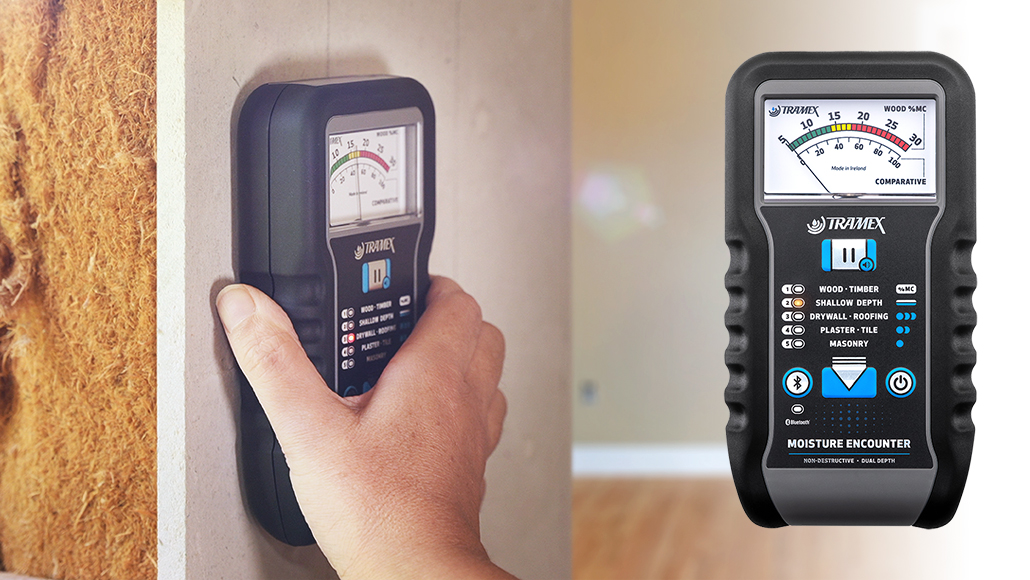
Professional mold inspection uses moisture detection tools to identify damp materials that support mold growth.
Testing provides confirmation when mold is suspected but not visible.
How Mold Inspection Helps Identify Ventilation Problems
Mold inspection focuses on moisture patterns, airflow conditions, and high-risk areas.
Inspectors evaluate ventilation pathways, exhaust systems, and AC components to identify where moisture is accumulating.
Moisture meters help locate condensation-related dampness inside walls, ceilings, and insulation.
This information helps connect mold growth to ventilation issues rather than unrelated leaks.
The Role of Mold Testing in Poor Ventilation Cases
Mold testing is especially useful when odors persist without visible mold or when ventilation problems have been ongoing.
Testing helps determine whether indoor mold levels are elevated due to hidden growth.
Results provide clarity and guide next steps, whether that involves ventilation improvements, drying, or remediation.
Testing prevents guesswork and unnecessary repairs.
Pompano Mold Inspection and Testing provides mold inspection and testing services in Fort Lauderdale with experience identifying mold linked to poor ventilation and airflow issues.
Mold Inspection After Ventilation-Related Moisture Events
Homes with condensation issues, recurring humidity complaints, or AC moisture problems benefit from mold inspection even if no flooding occurred.
Ventilation-related moisture can be just as damaging as leaks when left unaddressed.
Inspection after these events helps confirm whether moisture has affected building materials and whether mold has begun developing.
Early detection limits the scope of repairs.
How Mold Inspection and Testing Prevent Future Damage
Identifying mold early allows homeowners to correct ventilation and airflow issues before damage spreads.
Inspection findings guide targeted improvements such as adding exhaust fans, improving airflow, or correcting AC-related moisture problems.
Testing establishes a baseline and helps confirm whether corrective actions are effective.
This proactive approach prevents recurring mold and reduces long-term repair costs.
Ventilation Improvements Supported by Inspection Findings
Mold inspections often highlight the need for better ventilation rather than extensive material removal.
Improving bathroom and kitchen exhaust systems helps remove moisture at its source.
Ensuring proper airflow around air handlers and return vents reduces condensation.
Attic ventilation improvements help control heat and moisture around ductwork.
These changes significantly reduce mold risk when combined with proper maintenance.
Practical Prevention Tips for Fort Lauderdale Homeowners
Ensure bathrooms, kitchens, and laundry areas have working exhaust fans.
Avoid blocking vents or restricting airflow with furniture or renovations.
Schedule regular AC maintenance to manage condensation and drainage.
Monitor indoor humidity levels, especially during warmer months.
Request professional inspection if musty odors, condensation, or humidity issues persist.
Why Local Experience Matters in Fort Lauderdale
Ventilation-related mold behaves differently in coastal South Florida than in drier regions. Humidity, construction styles, and AC usage patterns all play a role.
Local professionals understand how poor ventilation affects Fort Lauderdale homes and where mold is most likely to develop.
Pompano Mold Inspection and Testing brings this local knowledge to Fort Lauderdale, Lauderdale-by-the-Sea, Pompano Beach, Lighthouse Point, and surrounding Broward County communities.
A Practical Path Forward for Homeowners
If your home has ongoing ventilation issues or unexplained odors, mold inspection and testing provide clarity. They help identify hidden problems early and guide effective prevention strategies.
In Fort Lauderdale, addressing poor ventilation through informed inspection and testing is one of the most reliable ways to protect homes from mold-related damage and maintain healthy indoor conditions.
