

Why Mold Inspection and Testing Matters in Lauderdale-by-the-Sea after Flooding
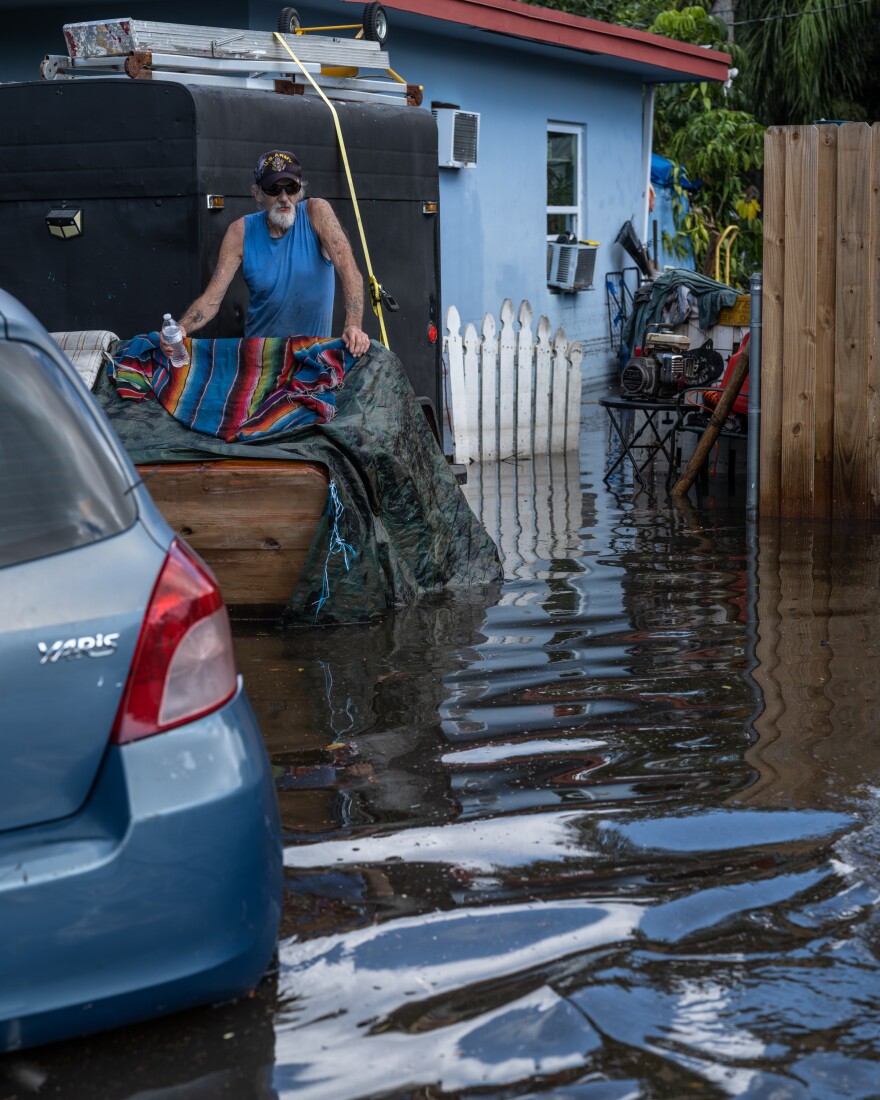
Flooding is one of the most disruptive events a homeowner can face in Lauderdale-by-the-Sea. Whether caused by heavy rain, storm surge, or overwhelmed drainage systems, floodwater introduces moisture deep into a home’s structure. Even after visible water is removed, hidden moisture often remains behind walls, under floors, and inside attic spaces. In South Florida’s humid coastal climate, these conditions make mold growth a serious concern. Mold inspection and testing after flooding are critical steps in identifying hidden problems early and preventing long-term damage.
In many Lauderdale-by-the-Sea homes, mold problems after flooding are not immediately obvious. They develop quietly in areas that homeowners rarely see, making professional inspection especially important.
How Flooding Creates Ideal Conditions for Mold
Floodwater saturates building materials quickly. Drywall, insulation, wood framing, and flooring absorb water and hold it for long periods, especially when drying conditions are poor. Even clean water flooding can leave materials damp long enough for mold to grow.
After flooding, humidity levels inside the home often remain elevated. Air conditioning systems may be offline due to power outages or damage, slowing the drying process. In a warm coastal environment like Lauderdale-by-the-Sea, mold can begin developing within a short time if moisture is not fully removed.
Flooding also spreads moisture unevenly. Water may pool in one area while traveling through wall cavities or under flooring to affect other parts of the home, increasing the risk of hidden mold growth.
Why Flood-Related Mold Is Common in Lauderdale-by-the-Sea
Lauderdale-by-the-Sea’s coastal location makes it especially vulnerable to flooding. Heavy rain, tropical storms, and storm surge can overwhelm drainage systems and force water into residential properties. Flat terrain and high water tables increase the likelihood of water lingering around foundations.
Salt air and persistent humidity further complicate drying efforts. Even after floodwater recedes, moisture trapped inside materials dries slowly. Homes in nearby areas like Fort Lauderdale, Pompano Beach, and Lighthouse Point face similar challenges, but coastal exposure often intensifies moisture problems in Lauderdale-by-the-Sea properties.
Slab foundations, common throughout Broward County, can also absorb floodwater and release moisture slowly back into the home, affecting lower walls and flooring long after the initial event.
Early Warning Signs after Flooding
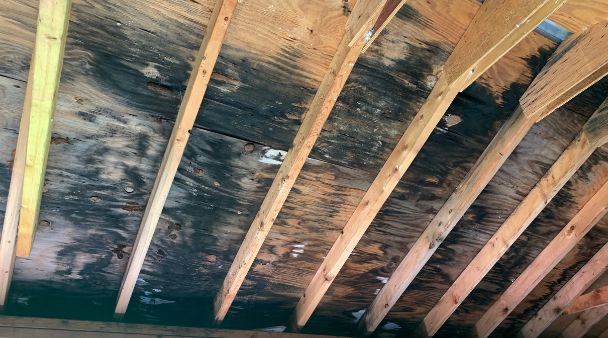
Some signs of mold after flooding appear quickly, while others take weeks to develop. Musty or earthy odors are often one of the first indicators, especially when entering rooms that were closed off after flooding. Discoloration on walls, ceilings, or baseboards may also appear.
Homeowners may notice peeling paint, bubbling drywall, or warped flooring. Increased indoor humidity or condensation on vents and windows can also signal lingering moisture. Visible mold growth is often a late-stage sign and usually indicates moisture has been present for an extended period.
Hidden Areas Where Mold Develops after Flooding
One of the biggest risks after flooding is hidden mold growth. Water often travels beneath flooring, soaking padding, subfloors, and slab edges. Wall cavities can trap moisture behind drywall, allowing mold to grow out of sight.
Attics may also be affected, especially if flood-related humidity rises into upper spaces or insulation becomes damp. Air ducts and HVAC components can collect moisture if floodwater enters mechanical areas or utility spaces, potentially spreading mold particles throughout the home once systems are running again.
Why Flood Mold Is Often Missed
After flooding, many homeowners focus on removing standing water and drying visible surfaces. Once floors feel dry and surfaces look normal, it is easy to assume the problem is resolved. However, moisture trapped inside materials can remain long after surfaces appear dry.
DIY drying methods such as fans or household dehumidifiers may help reduce surface moisture but rarely address deeper saturation. Without proper inspection, mold can begin growing in hidden areas and spread before it becomes noticeable.
What Mold Inspection after Flooding Involves
Mold inspection after flooding focuses on identifying moisture and mold that are not visible. Inspectors use moisture meters, thermal imaging, and humidity measurements to locate damp areas inside walls, ceilings, floors, and attics without unnecessary demolition.
In Lauderdale-by-the-Sea homes, inspections often prioritize lower levels, exterior walls, bathrooms, kitchens, attic spaces, and HVAC-related areas. The goal is to determine where moisture remains and whether conditions support mold growth.
Inspection provides a clear understanding of the home’s condition after flooding and helps guide next steps.
The Role of Mold Testing after Flood Events
Mold testing is often recommended when inspection findings suggest hidden mold or when flood exposure was significant. Testing helps confirm whether mold is present in areas that cannot be easily accessed or seen.
After flooding, mold testing provides valuable clarity. It helps homeowners understand the extent of the problem and whether remediation is necessary. This information prevents unnecessary work while ensuring real issues are not overlooked.
How Inspection and Testing Prevent Long-Term Damage
Mold inspection and testing after flooding are not just about identifying mold. They help prevent long-term structural damage and recurring problems. By locating moisture early, homeowners can address drying and repairs before mold spreads further.
Without inspection, repairs may be completed while moisture is still present. Trapping damp materials behind new drywall or flooring creates ideal conditions for mold to return later, often worse than before.
Water Removal, Drying, and Mold Prevention
Mold inspection often overlaps with flood restoration efforts. Water removal and controlled drying are essential to reducing mold risk. Insulation, drywall, or flooring that remains wet may need to be removed to allow proper drying.
Moisture levels must be monitored until materials return to safe ranges. Skipping or rushing the drying process increases the likelihood of mold growth, even after cleanup appears complete.
AC Systems, Air Ducts, and Flood-Related Mold
Flooding can affect air conditioning systems and ductwork, especially when mechanical areas are exposed to water or elevated humidity. Moisture inside ducts can lead to mold growth and spread contaminants throughout the home.
Inspecting HVAC components and air ducts after flooding helps ensure moisture has not compromised the system. Air duct cleaning and moisture-related repairs may be necessary to prevent ongoing mold issues.
Preventing Mold after Future Flooding
Prevention starts with early action. After flooding, homes should be inspected as soon as it is safe. Removing water quickly, drying affected areas thoroughly, and monitoring moisture levels reduce the risk of mold growth.
Maintaining proper drainage, sealing exterior entry points, and keeping AC systems functioning helps limit moisture intrusion during future events. Understanding where moisture tends to collect allows homeowners to focus prevention efforts effectively.
Why Local Experience Matters
Mold inspection and testing after flooding in Lauderdale-by-the-Sea require local knowledge. Coastal weather patterns, humidity levels, and construction styles all influence how moisture behaves inside homes. Experience with local conditions helps ensure inspections are thorough and accurate.
Pompano Mold Inspection and Testing brings that local expertise to mold inspection, testing, moisture detection, and flood-related assessments throughout Lauderdale-by-the-Sea, Fort Lauderdale, Pompano Beach, Lighthouse Point, Coconut Creek, and surrounding Broward County communities.
A Clear, Protective Step Forward
Flooding does not always result in immediate mold problems, but the risk is high when moisture is involved. Mold inspection and testing after flooding provide homeowners with clarity and confidence. By identifying hidden moisture and potential mold early, Lauderdale-by-the-Sea homeowners can take informed action, protect their properties, and prevent flood-related damage from becoming a long-term issue.
