Why Mold Inspection and Testing Matters in Lauderdale-by-the-Sea After Storm Damage
Storms are a regular part of life along the Broward County coast, and communities like Lauderdale-by-the-Sea often experience heavy rain, wind-driven moisture, and temporary flooding. After a storm passes, visible water may dry quickly, but hidden moisture often remains trapped in walls, flooring, insulation, and air systems. This is where mold inspection and testing become essential. Identifying moisture and mold early helps homeowners prevent structural damage, indoor air quality problems, and costly repairs later.
Understanding why inspection and testing matter—especially after storm damage—can help property owners take the right steps to protect their homes.
What Mold and Moisture Problems Are
Mold is a naturally occurring organism that grows in damp environments. When water enters a home during a storm, building materials such as drywall, wood, and carpet can absorb moisture. If these materials do not dry completely, mold can begin developing in as little as 24 to 48 hours.
Mold inspection and testing help determine:
- Whether mold growth is present
- How far contamination may have spread
- Where moisture remains trapped
- What repairs or remediation steps are necessary
Testing is especially important when mold is not visible but conditions suggest growth may be occurring.
Why This Happens So Often in Pompano Beach and Nearby Coastal Areas
Homes in Pompano Beach and surrounding communities such as Lauderdale-by-the-Sea, Lighthouse Point, and Deerfield Beach experience environmental conditions that make mold growth more likely after storms.
Key factors include:
- High humidity that slows drying
- Wind-driven rain entering roofs or vents
- Flooding or drainage overflow
- AC systems struggling to remove excess humidity
- Moisture trapped in attics or wall cavities
Because coastal air contains significant moisture, even small water intrusions can lead to lingering dampness inside a structure.
Common Signs Homeowners Notice After Storms
After storm damage, homeowners may notice subtle signs that moisture remains inside the home. These warning signs often appear days or weeks after the event.
Common indicators include:
- Musty or damp odors
- Stains on ceilings or walls
- Warped baseboards or flooring
- Peeling paint or bubbling drywall
- Increased indoor humidity
- Dark spots near vents or corners
These symptoms suggest that moisture may still be present, making inspection an important next step.
Hidden or Overlooked Sources of Moisture
One of the reasons mold inspection and testing matter so much is that moisture is often hidden. Water can travel through structural materials and settle in areas that are difficult to see.
Common hidden sources include:
- Wet insulation in attics
- Moisture behind drywall
- Water trapped beneath flooring
- Condensation in ductwork
- Slow roof leaks following storm damage
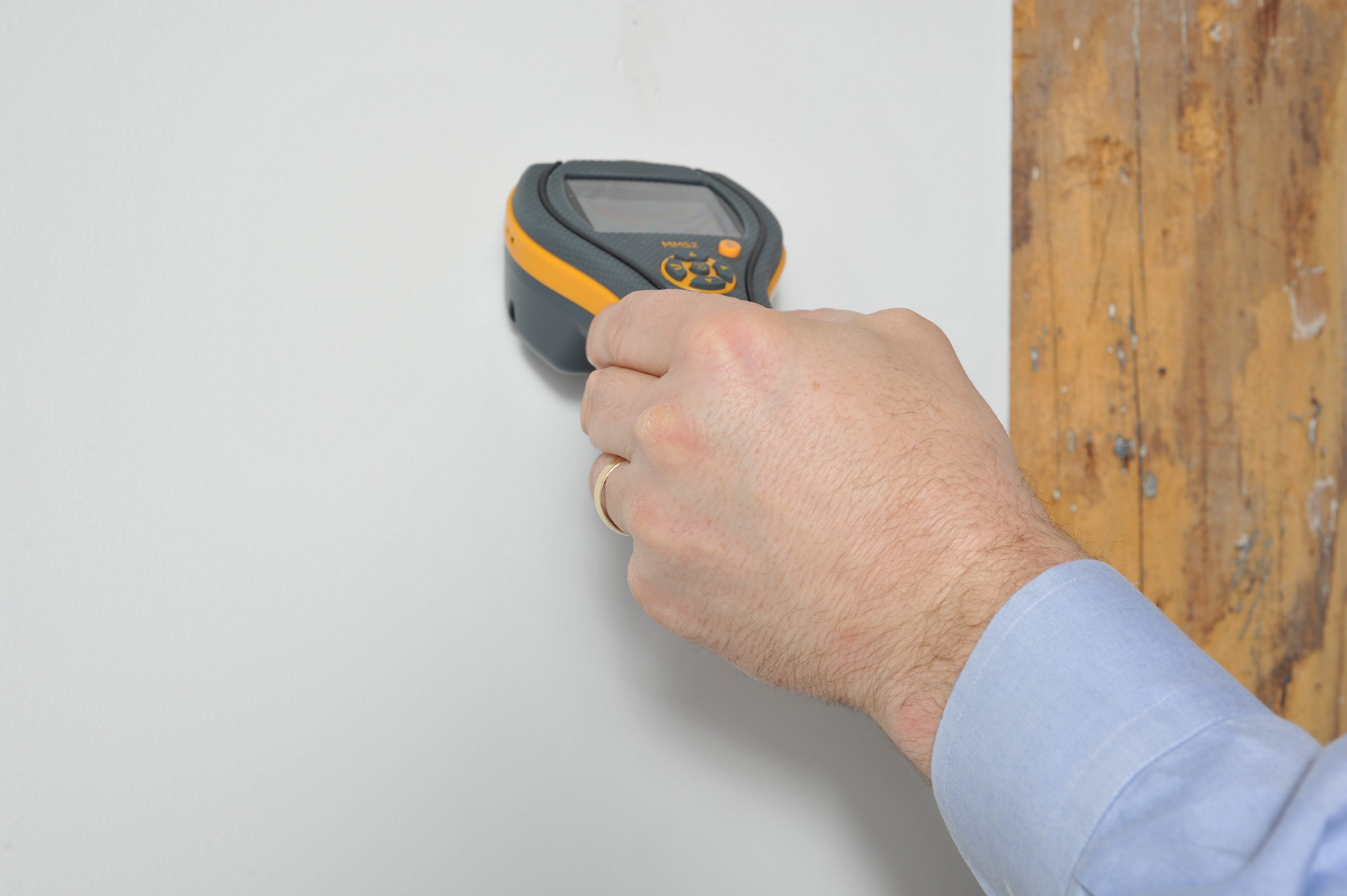
Moisture detection tools allow professionals to locate these hidden areas before mold spreads further.
Why DIY Mold Removal Usually Fails
Some homeowners attempt to clean visible mold using household products. While this may remove surface staining, it rarely addresses the root of the problem.
DIY removal often fails because:
- Moisture sources remain untreated
- Mold roots remain in porous materials
- Spores spread during cleaning
- Hidden growth continues behind walls
Without proper containment, cleaning can also disturb mold and allow spores to spread into unaffected areas.
Professional Mold Inspection and Testing Explained
Professional mold inspection and testing provide a clear understanding of the situation. The process focuses on identifying moisture, evaluating contamination, and determining the best course of action.
A typical inspection may include:
- Visual examination of affected areas
- Moisture mapping of walls, ceilings, and floors
- Inspection of HVAC systems and ductwork
- Air or surface sampling when necessary
Pompano Mold Inspection and Testing frequently performs these inspections in coastal communities like Lauderdale-by-the-Sea, helping homeowners understand the extent of moisture or mold issues after storms.
Proper Mold Removal and Remediation Process
If mold is confirmed, remediation ensures the problem is addressed safely and thoroughly. Proper remediation involves more than surface cleaning.
Typical steps include:
- Containing affected areas to prevent spore spread
- Using HEPA filtration to improve air quality
- Removing contaminated materials when necessary
- Cleaning and treating structural surfaces
- Drying the structure and correcting moisture sources
This structured approach helps prevent mold from returning.
Flood Restoration and Water Damage Repair
Storm damage often requires more than mold removal. Flood restoration and water damage repair may be necessary to fully restore the home.
These services may include:
- Water extraction
- Structural drying and dehumidification
- Cleaning and sanitizing surfaces
- Repairing damaged drywall or flooring
Addressing water damage quickly reduces the likelihood of long-term mold problems.
Air Ducts, AC Systems, and Mold
HVAC systems play a major role in indoor moisture control. After storms, ducts and air handlers can accumulate moisture, especially if humidity levels remain high.
Common HVAC-related issues include:
- Condensation forming inside ducts
- Wet insulation near air handlers
- Clogged condensate drain lines
- Mold growth in ventilation systems
Air duct cleaning and AC inspection are often recommended after storm-related moisture events to maintain indoor air quality.
How to Prevent Mold in Pompano Beach and Lauderdale-by-the-Sea Homes
Preventing mold after storms involves controlling moisture and improving ventilation.
Homeowners can reduce risk by:
- Inspecting roofs and flashing after severe weather
- Cleaning gutters and drainage systems
- Monitoring indoor humidity levels
- Maintaining AC systems and drain lines
- Scheduling periodic moisture inspections
Quick action after storms is one of the most effective ways to prevent mold growth.
Why Local Experience Matters
Mold inspection and testing in coastal Broward County require knowledge of local weather patterns, construction methods, and moisture behavior. Homes in Lauderdale-by-the-Sea often experience wind-driven rain and high humidity that can affect drying times.
Professionals familiar with Pompano Beach, Margate, Coconut Creek, and Fort Lauderdale understand:
- How humidity affects structural drying
- Where moisture commonly accumulates after storms
- Typical building materials used in local homes
- Seasonal flooding and storm patterns
Pompano Mold Inspection and Testing applies this local experience to help homeowners identify and address problems effectively.
A Calm, Trust-Based Next Step
Storm damage can be stressful, but taking measured steps helps prevent long-term problems. Scheduling a mold inspection after significant water intrusion, ensuring proper drying, and addressing hidden moisture early can protect both the structure of the home and indoor air quality.
For homeowners in Lauderdale-by-the-Sea, understanding why mold inspection and testing matter after storm damage provides peace of mind and a clear path toward recovery. Prompt attention to moisture and careful restoration help keep homes safe, dry, and comfortable throughout Florida’s storm seasons.