
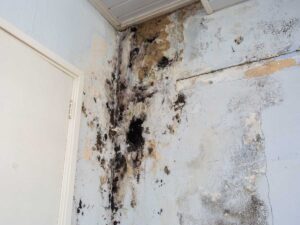
Why Mold Inspection Matters in Fort Lauderdale After Flooding
Fort Lauderdale, Florida, is renowned for its canals, waterfront properties, and tropical climate. While these features make it an attractive place to live, they also come with certain environmental risks, especially flooding during heavy rains and hurricane season. Floodwaters can penetrate homes, damage structures, and introduce moisture that leads to rapid mold growth.
Mold is a pervasive and often hidden problem that can develop within 24–48 hours after water intrusion. Without proper inspection, mold can compromise structural integrity, reduce indoor air quality, and pose serious health risks. For homeowners and property managers in Fort Lauderdale, understanding why mold inspection matters after flooding is essential for protecting both the home and its occupants.
This guide provides an in-depth exploration of the causes of post-flood mold, the health and structural risks, the process of professional mold inspection, and preventive strategies for Fort Lauderdale homeowners.
1. Understanding Mold Growth After Flooding
Mold is a type of fungus that thrives in moist, warm, and dark environments. After flooding, homes can experience prolonged dampness that creates ideal conditions for mold growth.
1.1 Rapid Development
- Mold spores are naturally present in the air and can begin growing within 24–48 hours after water exposure.
- Flooding saturates walls, flooring, insulation, and furniture, allowing mold to colonize quickly.
1.2 Hidden Growth
- Mold often develops in areas that are not immediately visible, such as behind drywall, under carpets, inside cabinets, and in attics or crawl spaces.
- Hidden mold can go undetected for weeks, worsening damage and increasing health risks.
1.3 Interaction with Other Moisture Sources
- Residual floodwater can combine with plumbing leaks, AC condensation, or high indoor humidity, further accelerating mold growth.
- Coastal homes in Fort Lauderdale often experience persistent moisture problems due to high humidity and occasional storm surge.
2. Health Risks Associated with Mold
Mold is not only a structural concern—it is a serious health hazard:
2.1 Respiratory Problems
- Mold spores can trigger allergic reactions, asthma attacks, and respiratory irritation.
- People with asthma or other respiratory conditions are particularly vulnerable.
2.2 Toxic Mold Exposure
- Certain species, such as black mold (Stachybotrys chartarum), produce mycotoxins that can cause headaches, chronic fatigue, and neurological symptoms in sensitive individuals.
2.3 General Health Impacts
- Mold exposure may result in skin irritation, watery eyes, nasal congestion, and persistent coughing.
- Children, elderly individuals, and those with compromised immune systems are most at risk.
3. Structural Risks of Mold After Flooding
Mold doesn’t just affect health; it can cause serious damage to a property:
3.1 Wood and Drywall Deterioration
- Mold feeds on organic materials such as wood and drywall, weakening structural components.
- Prolonged moisture exposure can lead to warped floors, sagging ceilings, and rotting beams.
3.2 Insulation Damage
- Mold can colonize fiberglass or cellulose insulation, reducing its effectiveness and requiring replacement.
3.3 HVAC Contamination
- Mold can grow inside ducts, vents, and AC units, spreading spores throughout the home and reducing indoor air quality.
3.4 Financial Impact
- Structural repairs and mold remediation can be costly, especially if mold spreads unchecked.
- Delayed inspections can increase repair costs and complicate insurance claims.
4. Common Areas for Mold Growth After Flooding
After a flood, mold can appear in a variety of locations:
4.1 Flooring and Carpets
- Carpets, padding, and hardwood floors absorb floodwater quickly.
- If not dried promptly, these areas can become hotspots for mold growth.
4.2 Walls and Baseboards
- Water can penetrate drywall and baseboards, especially on lower floors.
- Hidden mold may grow behind the wall surface, requiring professional inspection to detect.
4.3 Attics and Crawl Spaces
- Roof leaks during storms and water seeping into crawl spaces create moisture-rich environments.
- Poor ventilation in these areas makes mold growth more likely.
4.4 Bathrooms and Kitchens
- Leaks from sinks, tubs, or dishwashers can combine with floodwater to create damp conditions.
- High humidity in these areas accelerates mold colonization.
4.5 HVAC Systems
- Mold spores can colonize air ducts, vents, and condensate pans, circulating throughout the home and causing persistent air quality problems.
5. The Importance of Professional Mold Inspection
Professional mold inspection is critical after flooding to identify hidden mold, assess the extent of damage, and guide remediation.
5.1 Early Detection
- Mold inspection helps detect hidden growth behind walls, under flooring, and in HVAC systems.
- Early detection prevents extensive damage and reduces health risks.
5.2 Comprehensive Assessment
- Certified inspectors evaluate visible and hidden areas using tools such as moisture meters, thermal imaging cameras, and hygrometers.
- Inspections include walls, floors, ceilings, attics, crawl spaces, and HVAC systems.
5.3 Sampling and Testing
- Air and surface samples are collected to identify mold species and spore concentrations.
- Laboratory testing informs the remediation process and helps determine the level of risk.
5.4 Documentation
- Inspection reports provide detailed records of affected areas, mold types, and recommended remediation steps.
- Documentation is valuable for insurance claims, property sales, and legal protection.
6. Mold Remediation After Flooding
Once mold is identified, professional remediation ensures safe and effective removal.
6.1 Containment
- Affected areas are isolated using plastic sheeting and negative air pressure to prevent mold spores from spreading.
6.2 Removal of Contaminated Materials
- Porous materials such as drywall, insulation, and carpets may need removal and disposal.
- Non-porous surfaces are cleaned with antimicrobial solutions.
6.3 Drying and Dehumidification
- Industrial dehumidifiers and air movers dry affected areas.
- Moisture levels are monitored to ensure complete drying and prevent recurrence.
6.4 HVAC Cleaning
- Ductwork and vents are inspected and cleaned if contamination is detected.
- Ensures that mold spores do not continue circulating indoors.
6.5 Post-Remediation Testing
- Air and surface samples confirm that mold levels are within safe limits.
- Homeowners receive a final report verifying the home is safe for occupancy.
7. Preventive Measures for Homeowners
Property owners in Fort Lauderdale can reduce mold risks after flooding by implementing preventive strategies:
7.1 Prompt Water Removal
- Remove standing water as soon as possible using wet vacuums or pumps.
- Dry affected areas within 24–48 hours to prevent mold growth.
7.2 Control Humidity
- Use dehumidifiers to maintain indoor humidity between 40–50%.
- Proper ventilation in bathrooms, kitchens, and laundry rooms prevents moisture accumulation.
7.3 Regular AC and HVAC Maintenance
- Clean condensate pans, coils, and ducts regularly to prevent mold colonization.
- Ensure condensate lines are clear and functioning properly.
7.4 Roof and Structural Maintenance
- Inspect and repair roofs, gutters, and flashing to prevent water intrusion.
- Seal windows, doors, and exterior walls to minimize flooding risks.
7.5 Use Mold-Resistant Materials
- Install mold-resistant drywall, insulation, and paints in areas prone to water exposure.
7.6 Schedule Regular Mold Inspections
- Annual or semi-annual inspections help detect mold early, especially after storm or flood events.
8. Case Study: Mold Inspection After Flooding in Fort Lauderdale
A Fort Lauderdale homeowner experienced flooding in the first floor after heavy rainfall. Professional mold inspection revealed:
- Hidden mold behind baseboards and drywall near the flooded area.
- Elevated moisture levels in the carpet padding and subfloor.
- Mold spores in the HVAC duct system.
The remediation process included:
- Containment of affected areas to prevent spore spread.
- Removal of contaminated drywall, insulation, and carpet padding.
- Cleaning and sanitizing non-porous surfaces and HVAC components.
- Drying and dehumidification to remove residual moisture.
- Post-remediation testing to confirm the home was mold-free.
Outcome: The home was restored to a safe, dry, and mold-free condition, preventing further structural damage and protecting the family’s health.
9. Conclusion
Flooding in Fort Lauderdale poses a serious risk for mold growth due to rapid water intrusion, high humidity, and hidden moisture accumulation. Mold can compromise health, structural integrity, and property value if not detected early.
Professional mold inspection services are essential after flooding to identify hidden mold, assess the extent of damage, and guide effective remediation. Early detection, combined with proper water removal, humidity control, and preventive maintenance, ensures that homes remain safe, structurally sound, and healthy.
For Fort Lauderdale homeowners, mold inspection after flooding is not optional—it is a critical step in protecting both property and occupants, minimizing financial loss, and maintaining peace of mind in a flood-prone environment.
