Why Mold Remediation Matters in Fort Lauderdale After Plumbing Leaks
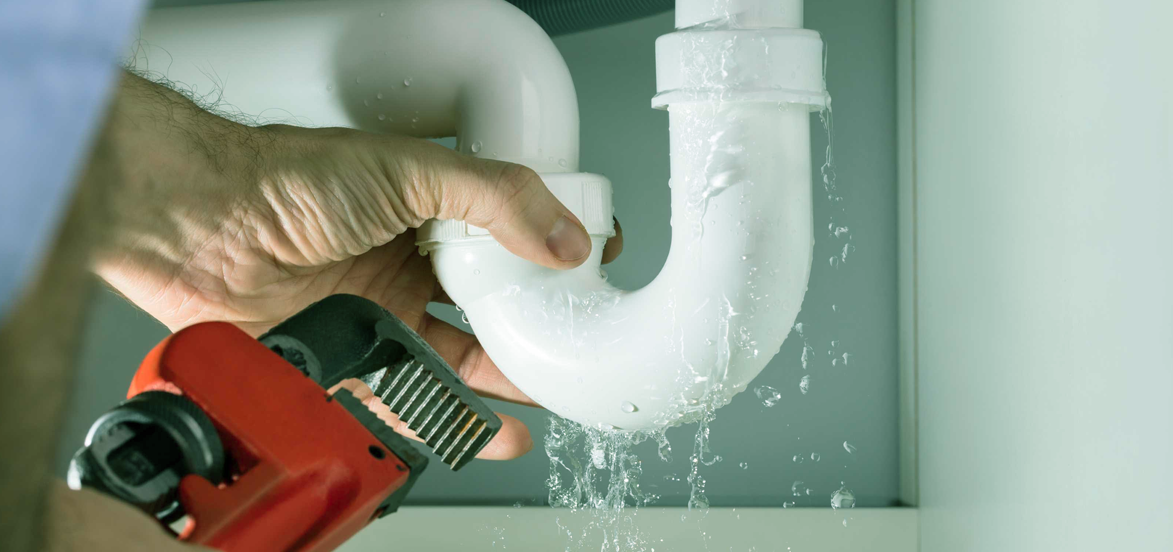
Plumbing leaks are one of the most common causes of mold problems in Fort Lauderdale homes. A small leak under a sink, behind a wall, or near a water heater may seem minor at first, but in a warm and humid climate, moisture can spread quickly and create the perfect environment for mold growth.
For homeowners, landlords, and property managers, understanding why mold remediation is important after plumbing leaks helps prevent long-term damage, protects indoor air quality, and keeps properties safe and comfortable.
What Happens When Plumbing Leaks Go Undetected
Water from a plumbing leak rarely stays in one place. It can soak into:
- Drywall and insulation
- Wood framing
- Flooring and subfloors
- Cabinets and baseboards
- Carpet and padding
Because many leaks occur inside walls or beneath fixtures, moisture often remains hidden for days or weeks. During that time, mold spores—naturally present in indoor air—can begin to grow on damp materials.
In Fort Lauderdale’s humid environment, mold growth can begin much faster than many homeowners expect.
Why Mold Growth Is Common After Plumbing Leaks in Fort Lauderdale
Fort Lauderdale and nearby communities like Lauderdale-by-the-Sea, Pompano Beach, and North Lauderdale share environmental conditions that make mold growth more likely:
- High year-round humidity
- Warm indoor temperatures
- Frequent AC operation
- Slow drying of damp materials
- Dense residential construction
Even a small leak under a kitchen sink or behind a bathroom wall can create conditions where mold spreads unnoticed.
Common Signs Mold May Be Developing
After a plumbing leak, homeowners may begin to notice warning signs such as:
- Musty or damp odors
- Discoloration on walls or ceilings
- Warped baseboards or flooring
- Peeling paint
- Persistent humidity in certain rooms
In some cases, mold develops behind surfaces and may not be visible until damage becomes more severe.
Hidden Areas Where Mold Often Forms
Plumbing leaks frequently affect areas that are difficult to inspect. Mold commonly develops in:
- Behind bathroom or kitchen cabinets
- Inside wall cavities near pipes
- Under sinks and vanities
- Beneath flooring or tile
- Around water heaters and washing machines
Because these spaces are enclosed, moisture can remain trapped for long periods, allowing mold colonies to expand.
Why Simple Cleaning Is Not Enough
Many homeowners attempt to clean mold using household cleaners or disinfectants. While this may remove surface staining, it rarely solves the underlying problem.
Mold remediation is necessary because:
- Mold roots penetrate porous materials
- Moisture sources must be corrected
- Hidden contamination may remain
- Spores can spread during improper cleaning
Without proper remediation, mold often returns within weeks or months.
Professional Mold Inspection and Testing
Before remediation begins, a professional inspection helps determine the extent of the problem. This process may include:
- Moisture readings in walls and floors
- Visual inspection of affected areas
- Air quality testing when necessary
- Identification of the leak source
These steps help ensure remediation targets all affected areas, not just visible mold.
Companies such as Pompano Mold Inspection and Testing often assist property owners in Fort Lauderdale by identifying moisture sources and recommending appropriate remediation steps.
Step-by-Step Mold Remediation Process
Professional mold remediation follows a structured process designed to remove contamination safely and prevent recurrence.
Step 1: Containment of Affected Areas
Containment barriers and air filtration systems are used to prevent mold spores from spreading to other parts of the home.
This step is especially important in homes with central air systems that can circulate airborne particles.
Step 2: Air Filtration
HEPA filtration equipment removes airborne mold spores and improves indoor air quality during remediation.
Step 3: Removal of Damaged Materials
Porous materials such as drywall, insulation, or carpeting may need to be removed if mold has penetrated deeply. Salvageable materials are carefully cleaned and treated.
Step 4: Cleaning and Disinfection
All remaining surfaces are cleaned using specialized antimicrobial solutions to eliminate mold residues and spores.
Step 5: Drying and Dehumidification
Industrial drying equipment removes residual moisture from structural materials, preventing mold from returning.
Step 6: Final Inspection
A final evaluation ensures moisture levels are normal and the affected area has been properly restored.
Water Damage Repair After Plumbing Leaks
Mold remediation often goes hand in hand with water damage repair. After a leak, restoration work may include:
- Repairing or replacing damaged drywall
- Restoring flooring or cabinetry
- Sealing and repainting surfaces
- Ensuring plumbing repairs are complete
Proper repairs help prevent the same problem from recurring.
Air Ducts and HVAC Systems After Plumbing Leaks
In some homes, moisture from plumbing leaks can affect nearby ductwork or air handlers. When this happens, mold spores may circulate through the HVAC system.
Signs of duct-related contamination include:
- Musty odors when the AC runs
- Dust or residue around vents
- Uneven cooling or humidity
Duct inspection and cleaning may be recommended if mold growth is suspected in the system.
Costs and Long-Term Risks of Ignoring Mold
Ignoring mold after a plumbing leak can lead to more serious problems, including:
- Structural damage to wood framing
- Deterioration of drywall and insulation
- Higher repair costs over time
- Reduced property value
- Indoor air quality concerns
Addressing mold early is almost always less expensive than repairing extensive damage later.
Preventing Mold After Plumbing Repairs
Once a leak has been repaired, homeowners can reduce the risk of mold by taking preventative steps:
- Dry affected areas thoroughly
- Use dehumidifiers when needed
- Inspect under sinks and appliances regularly
- Maintain plumbing and seals
- Monitor humidity levels indoors
Regular inspections help ensure moisture does not return.
Why Local Experience Matters
Homes in Fort Lauderdale face unique moisture challenges due to climate and construction styles. Local professionals understand:
- How humidity affects building materials
- Common plumbing layouts in South Florida homes
- Moisture patterns in coastal environments
- Drying requirements in warm climates
This experience helps ensure remediation is effective and long-lasting.
A Calm, Practical Next Step for Property Owners
Plumbing leaks can happen in any home, but mold growth does not have to follow. Early inspection and proper remediation protect the structure of the home and maintain healthy indoor conditions.
Homeowners and property managers in Fort Lauderdale often rely on experienced local providers such as Pompano Mold Inspection and Testing to locate hidden moisture, remediate mold safely, and restore homes after plumbing leaks.
Taking action early helps prevent small problems from becoming major repairs and keeps homes comfortable, safe, and well-maintained.