


Why Mold Remediation Matters in Lauderdale-by-the-Sea after Roof Leaks
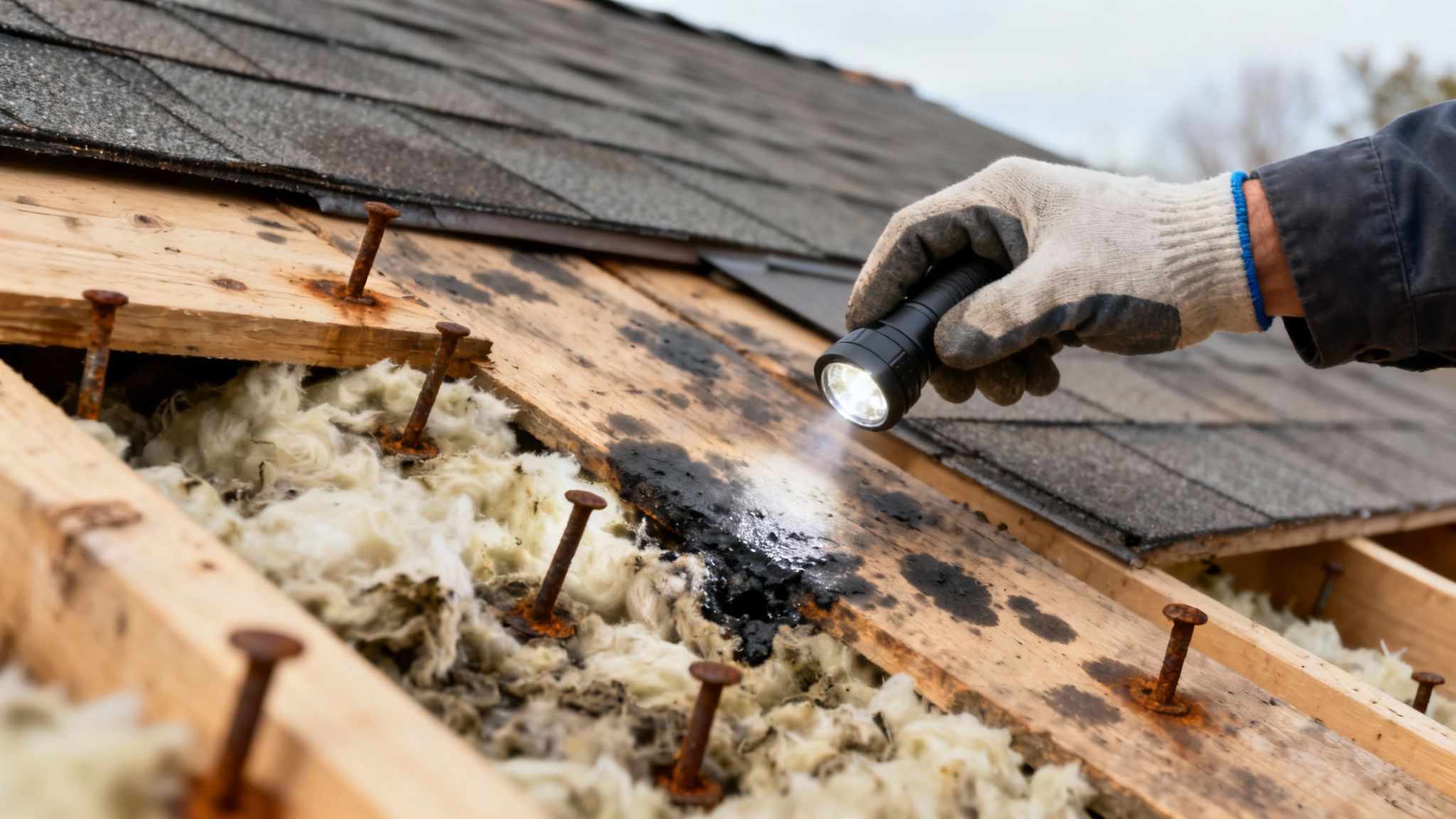
Roof leaks are one of the most overlooked causes of mold problems in Lauderdale-by-the-Sea homes. Because leaks often start small and remain hidden, moisture can spread through ceilings, walls, and attic spaces long before visible damage appears. In a coastal environment where humidity is already high, even minor roof leaks can quickly create conditions that allow mold to grow. Understanding why mold remediation matters after roof leaks helps homeowners protect their property and avoid long-term damage.
In Lauderdale-by-the-Sea, mold growth following roof leaks is rarely immediate or obvious. By the time staining or odors appear, moisture has often been present long enough for mold to establish itself in hidden areas.
How Roof Leaks Lead to Mold Problems
Roof leaks introduce water directly into parts of the home that are not designed to get wet. Rainwater can enter through damaged shingles, flashing, vents, or roof penetrations and then spread along framing, insulation, and drywall.
Unlike plumbing leaks, roof leaks often follow unpredictable paths. Water may enter in one location and appear somewhere else entirely. Insulation absorbs moisture easily and holds it in place, keeping surrounding materials damp for extended periods. In South Florida’s warm climate, these damp conditions are ideal for mold growth.
In coastal communities like Lauderdale-by-the-Sea, wind-driven rain during storms increases the likelihood of water entering through even small roof vulnerabilities.
Why Roof Leak Mold Is Common in Lauderdale-by-the-Sea
Lauderdale-by-the-Sea’s coastal location exposes homes to frequent storms, heavy rain, and salt air. Salt air accelerates wear on roofing materials, seals, and flashing, making roofs more vulnerable to leaks over time.
High humidity levels compound the problem. Even after rain stops, moisture trapped inside attic spaces and ceiling materials dries slowly. Air conditioning systems may not effectively remove this moisture if leaks are hidden or insulation remains saturated.
Homes in nearby areas such as Fort Lauderdale, Pompano Beach, and Lighthouse Point experience similar challenges, but coastal exposure often makes roof-related moisture issues more severe in Lauderdale-by-the-Sea.
Early Warning Signs after Roof Leaks
Some signs of roof leak-related mold appear quickly, while others develop over time. Water stains on ceilings or walls are a common early indicator. Homeowners may also notice peeling paint, bubbling drywall, or discoloration near ceiling edges.
Musty odors are another frequent sign, especially in upper rooms or closets near attic spaces. In some cases, increased indoor humidity or condensation around vents may suggest moisture buildup above the ceiling.
Mold growth may not be visible right away. It often develops behind drywall or inside insulation, making professional inspection important after roof leaks.
Hidden Areas Where Mold Develops after Roof Leaks
One of the biggest risks after roof leaks is hidden mold growth. Attic insulation is a prime location, as it absorbs water and stays damp long after a leak occurs. Roof decking and wooden framing can also retain moisture, supporting mold growth out of sight.
Ceiling cavities allow moisture to spread laterally, affecting areas far from the original leak. Wall cavities below roof leaks may also become damp as water travels downward. Air ducts running through attic spaces can collect moisture as well, potentially spreading mold particles through the home.
Why Surface Repairs Are Not Enough
Fixing the roof is a critical first step, but it does not address moisture that has already entered the home. Many homeowners assume that once the roof is repaired, the problem is solved. In reality, moisture trapped inside materials may remain long after the leak is sealed.
Simply repainting stained ceilings or replacing a small section of drywall without addressing moisture can allow mold to continue growing behind surfaces. Without proper drying and inspection, mold problems may resurface weeks or months later.
Professional Mold Inspection after Roof Leaks
Mold remediation after roof leaks starts with inspection. A professional mold inspection focuses on identifying where moisture has spread and whether mold growth has begun. Moisture meters and thermal imaging help locate damp areas inside ceilings, walls, and attic spaces without unnecessary demolition.
In Lauderdale-by-the-Sea homes, inspections often include attic insulation, roof decking, ceiling cavities, and nearby wall areas. Mold inspection and testing may be used to confirm hidden mold growth and guide remediation decisions.
This step ensures that remediation efforts address all affected areas, not just visible damage.
Why Mold Remediation Matters after Roof Leaks
Mold remediation is essential because mold does not resolve on its own once moisture is present. Left untreated, mold can continue spreading through porous materials, increasing the scope of damage.
Proper remediation removes contaminated materials when necessary, cleans affected surfaces, and ensures moisture levels return to safe ranges. This process helps protect structural components and prevents ongoing mold growth behind finished surfaces.
In coastal environments like Lauderdale-by-the-Sea, addressing mold early after roof leaks is especially important due to slow drying conditions.
Water Damage Repair and Drying after Roof Leaks
Mold remediation often overlaps with water damage repair. After a roof leak, affected materials must be thoroughly dried. Insulation that remains wet may need to be removed, while framing and decking require controlled drying to prevent further damage.
Water removal and drying services focus on extracting moisture and monitoring levels until materials are stable. Skipping this step increases the risk of mold returning even after remediation.
AC Systems and Roof Leak-Related Mold
Air conditioning systems can complicate roof leak moisture issues. Attic-based ductwork may be exposed to water intrusion, allowing moisture to enter ducts and insulation. Once the AC system runs, it can spread damp air or mold particles throughout the home.
Inspecting ducts and AC components after roof leaks helps ensure moisture has not affected the system. Air duct cleaning and moisture-related repairs may be necessary to prevent ongoing issues.
Preventing Mold after Future Roof Leaks
Prevention starts with roof maintenance. Regular inspections, prompt repairs, and attention to flashing and seals reduce the risk of leaks. After storms, checking attic spaces and ceilings for signs of water intrusion allows problems to be addressed early.
If a leak does occur, acting quickly is critical. Early inspection, drying, and moisture detection reduce the likelihood of mold development and limit repair costs.
Why Local Experience Matters
Mold remediation after roof leaks in Lauderdale-by-the-Sea requires local knowledge. Coastal weather patterns, construction styles, and humidity levels all influence how moisture behaves inside homes. Experience with local conditions helps ensure inspections are thorough and remediation is effective.
Pompano Mold Inspection and Testing brings that local experience to mold inspection, remediation, moisture detection, and water damage services throughout Lauderdale-by-the-Sea, Fort Lauderdale, Pompano Beach, Lighthouse Point, Coconut Creek, and surrounding Broward County communities.
A Practical, Protective Approach
Roof leaks don’t have to turn into long-term mold problems. Understanding why mold remediation matters after leaks helps homeowners take the right steps at the right time. With proper inspection, thorough drying, and targeted remediation, Lauderdale-by-the-Sea homes can recover from roof leaks while protecting their structure and indoor environment.
