Why Mold Removal Matters in North Lauderdale after Plumbing Leaks
Plumbing leaks are one of the most common causes of mold growth in homes throughout North Lauderdale. A slow drip behind a wall, a leaking pipe under a sink, or a damaged water line can release moisture into building materials where it remains trapped. Because this moisture is often hidden, mold can begin developing long before visible signs appear.
In North Lauderdale and nearby communities such as Margate, Coconut Creek, Pompano Beach, and Deerfield Beach, warm temperatures and high humidity create ideal conditions for mold growth after plumbing leaks. Understanding why mold removal is important and how the process works helps homeowners and property owners protect their homes from long-term damage.
What Happens After a Plumbing Leak
When a pipe leaks, water rarely stays confined to one area. It spreads into surrounding materials such as drywall, insulation, wood framing, and flooring. Even after the leak is repaired, moisture can remain trapped inside these materials.
This hidden moisture creates the perfect environment for mold growth. Mold spores are naturally present in the air, and when they encounter damp surfaces, they begin to grow and spread.
If mold is not properly removed, it can continue to grow behind walls, beneath flooring, and inside ventilation systems.
Why Mold Problems Are Common in North Lauderdale
Several local conditions make mold growth more likely in this area:
- High year-round humidity
- Warm indoor temperatures
- Frequent use of air conditioning systems
- Storm-related moisture and roof leaks
- Older plumbing systems in some homes
Homes in Fort Lauderdale and Lighthouse Point experience similar challenges, especially in properties where ventilation and insulation are not optimized for moisture control.
Humidity slows the drying process, which allows damp materials to remain wet longer, increasing the likelihood of mold growth.
Common Signs Mold May Be Present After a Leak
Mold does not always appear as large visible patches. Often, the first signs are subtle and easy to overlook.
Homeowners frequently notice:
- Musty or damp odors
- Discoloration on walls or ceilings
- Peeling paint or bubbling drywall
- Warped baseboards or flooring
- Persistent humidity in certain rooms
- Dark spots near plumbing areas
These signs often indicate moisture trapped behind surfaces, even if mold is not clearly visible.
Hidden Areas Where Mold Often Develops
After plumbing leaks, mold frequently develops in areas that are difficult to inspect without proper tools.
Common hidden locations include:
Inside wall cavities where pipes run
Under cabinets and sinks
Behind bathroom tiles or drywall
Under flooring or carpet padding
Inside insulation or attic areas
Because these areas are rarely opened or inspected, mold can spread quietly over time.
Why DIY Mold Cleanup Often Fails
Many homeowners attempt to clean mold using household cleaners or bleach. While this may remove surface staining, it rarely eliminates mold growing inside porous materials such as drywall or wood.
Cleaning visible mold without addressing the moisture source often results in mold returning within weeks.
Another problem with DIY cleanup is that disturbing mold without proper containment can release spores into the air, allowing them to spread to other parts of the home.
Effective mold removal requires locating the moisture source, removing contaminated materials when necessary, and ensuring the area is thoroughly dried.
How Professional Mold Inspection Works
Before mold removal begins, a professional inspection helps determine the extent of the problem.
This process often includes:
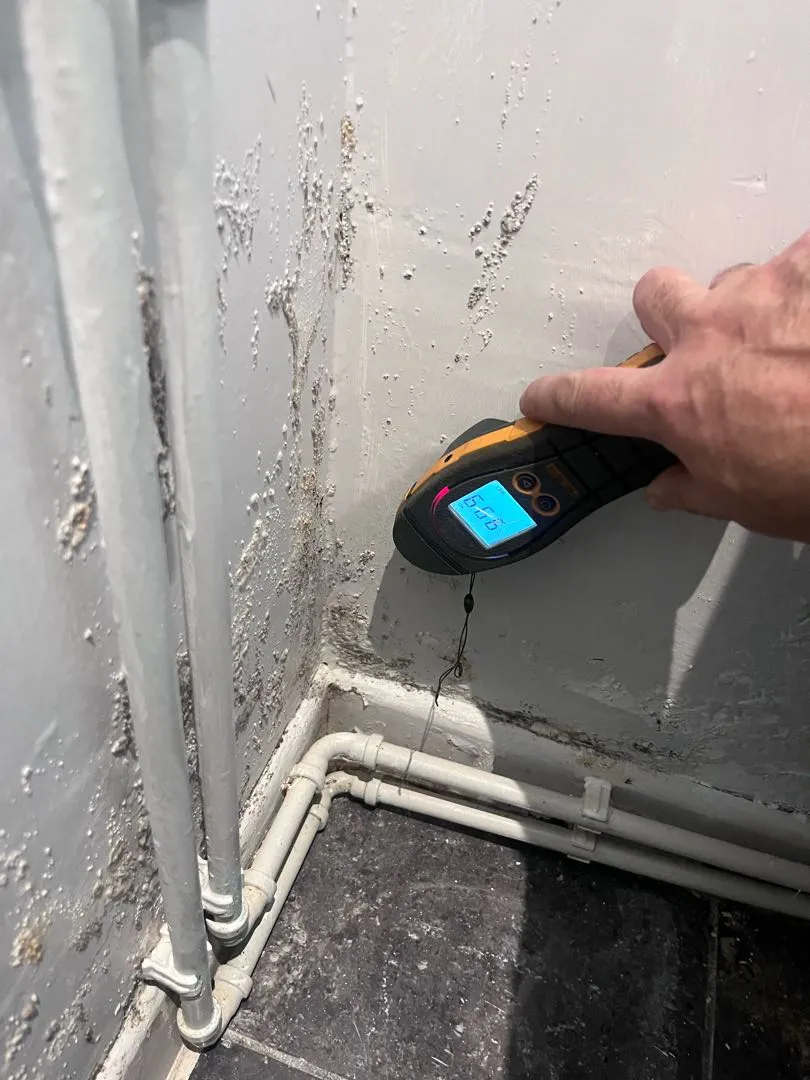
- Moisture meter readings in walls and floors
- Inspection of plumbing areas and surrounding materials
- Checking ventilation systems and ducts
- Evaluating humidity levels
- Identifying hidden moisture sources
Moisture detection tools help locate damp areas that cannot be seen, ensuring that remediation addresses all affected areas.
Professionals familiar with homes in North Lauderdale understand common building layouts and moisture patterns, which helps identify problems more efficiently.
The Mold Removal and Remediation Process
Proper mold removal involves several steps designed to safely eliminate contamination and prevent recurrence.
Typical steps include:
- Containment
Affected areas may be isolated to prevent spores from spreading. - Air Filtration
Air filtration equipment helps remove airborne particles during the cleanup process. - Removal of Damaged Materials
Severely affected drywall, insulation, or carpeting may be removed when necessary. - Cleaning and Treatment
Surfaces are cleaned using methods designed for mold remediation. - Drying and Moisture Control
Dehumidifiers and air movers help ensure that materials are completely dry. - Repairs and Restoration
Damaged materials may be replaced and restored to their original condition.
This structured process ensures that both visible and hidden mold are addressed.
Water Damage and Structural Drying
Mold removal is closely connected to water damage restoration. If moisture remains in building materials, mold can return even after cleanup.
Structural drying ensures that walls, flooring, and framing reach safe moisture levels before repairs are completed. This step is especially important in humid environments like North Lauderdale.
Homes in Deerfield Beach and Coconut Creek often require similar drying and restoration after plumbing leaks or flooding.
Air Ducts, AC Systems, and Mold Spread
Air conditioning systems can play a role in mold problems. Moisture from leaks or condensation can enter duct systems, allowing mold to grow inside ventilation components.
When the system runs, spores may circulate throughout the home, spreading contamination and causing persistent odors.
Air duct inspection and cleaning may be recommended after mold remediation to ensure that ventilation systems are clean and dry.
Practical Steps to Prevent Mold After Plumbing Leaks
Homeowners can reduce the risk of mold by taking preventive measures:
- Repair leaks as soon as they are discovered
- Dry affected areas quickly
- Monitor humidity levels indoors
- Maintain AC systems and drain lines
- Inspect plumbing and appliances regularly
- Ensure proper ventilation in bathrooms and kitchens
Prompt action is one of the most effective ways to prevent mold growth.
Why Local Experience Matters
Mold removal in North Lauderdale requires an understanding of local humidity levels, construction methods, and ventilation patterns.
Homes in Broward County often have attic layouts, duct systems, and insulation materials that influence how moisture spreads and dries. Professionals familiar with North Lauderdale, Pompano Beach, and Margate know where hidden moisture is most likely to remain.
Pompano Mold Inspection and Testing has worked with many homeowners to locate moisture, remove mold safely, and restore homes after plumbing leaks. Local experience helps ensure that remediation addresses long-term causes rather than temporary symptoms.
A Practical Next Step for Homeowners
Mold problems rarely resolve without proper remediation. Even small areas of mold often indicate hidden moisture that should be investigated.
If you notice musty odors, discoloration, or signs of dampness after a plumbing leak, having the home inspected and properly remediated can prevent larger structural damage and costly repairs. Early detection and thorough mold removal are the most effective ways to protect homes in North Lauderdale.