Why Mold Testing Matters in Lauderdale-by-the-Sea After Hurricanes
Hurricanes and severe coastal storms can have a significant impact on homes in Lauderdale-by-the-Sea. Heavy rain, wind-driven moisture, and flooding often leave building materials damp long after the storm has passed. Even when visible damage seems minor, moisture trapped in walls, ceilings, insulation, and flooring can create conditions where mold begins to grow. Mold testing helps property owners understand whether contamination is present, how extensive it may be, and what steps are needed to restore the home safely.
How Hurricanes Create Conditions for Mold Growth
Hurricanes introduce moisture into homes in several ways. Wind-driven rain may enter through roof openings or around windows and doors, while flooding or standing water can soak flooring and structural materials. High humidity levels after storms also slow the drying process.
Common sources of moisture after hurricanes include:
- Roof leaks caused by wind damage
- Water intrusion around windows and doors
- Flooding or standing water
- Saturated attic insulation
- Plumbing or drainage issues triggered by storm conditions
Because mold spores are naturally present in the air, growth can begin quickly when moisture remains in materials.
Why Lauderdale-by-the-Sea Homes Are Vulnerable
Homes in Lauderdale-by-the-Sea face environmental conditions that increase mold risks after hurricanes:
- Coastal humidity that remains high even after storms
- Warm temperatures that slow drying
- Salt air that can affect roofing and exterior materials
- Frequent summer storms and tropical systems
These conditions allow moisture to remain trapped longer than in many other climates.
Early Signs of Mold After Hurricanes
Mold often begins in hidden areas, but homeowners may notice warning signs that should not be ignored:
- Musty or damp odors
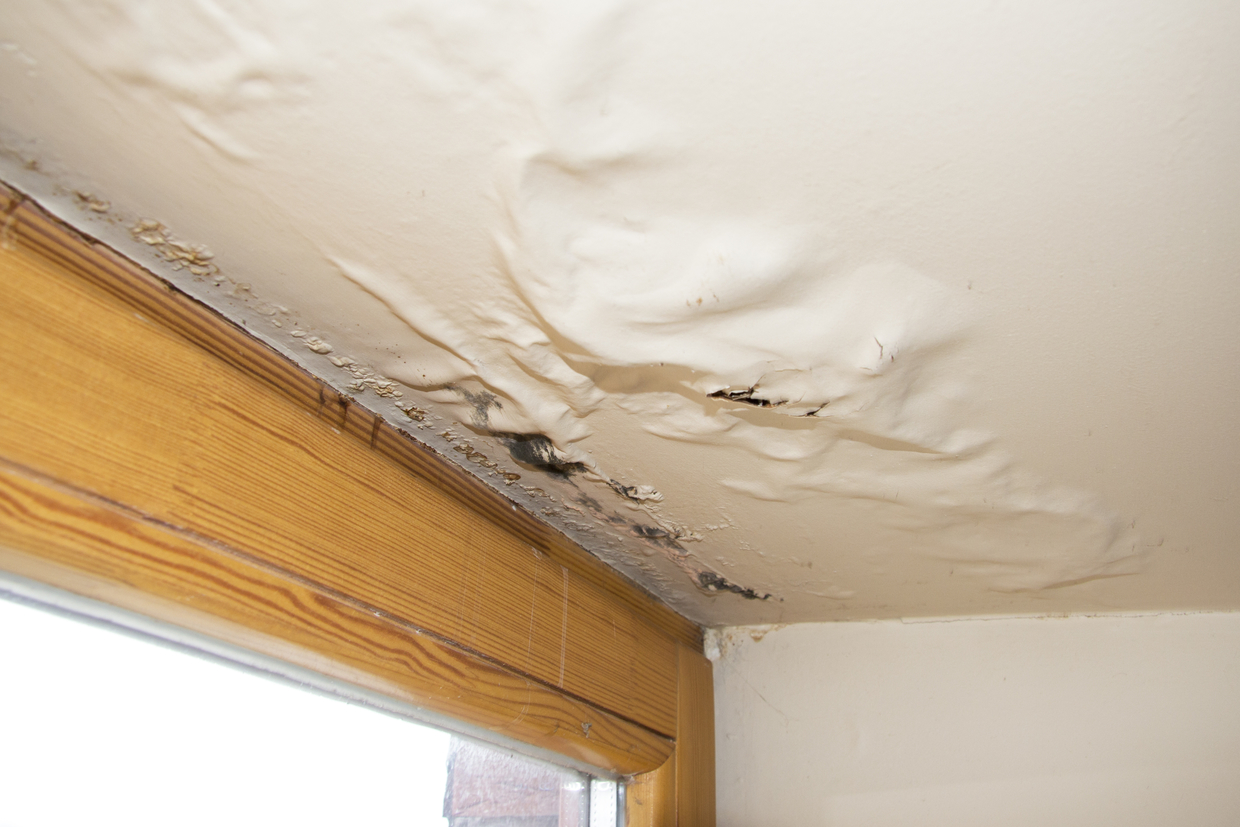
- Water stains on ceilings or walls
- Peeling paint or bubbling drywall
- Warped baseboards or flooring
- Increased indoor humidity
These signs usually indicate that moisture is present and should be evaluated.
Hidden Areas Where Mold Often Develops
After hurricanes, mold frequently develops in areas that are not visible during daily living. Inspectors in Lauderdale-by-the-Sea often find mold in:
- Attic insulation and roof decking
- Ceiling cavities
- Wall cavities near exterior walls
- Beneath flooring or carpet padding
- Air ducts and HVAC systems
Because these areas are concealed, mold may spread before it becomes visible.
Why Mold Testing Is Important
Mold testing helps determine whether mold is present and how widespread it may be. Testing is especially useful after hurricanes because moisture may remain hidden.
Mold testing helps:
- Confirm whether mold is present
- Identify areas affected by contamination
- Determine whether remediation may be needed
- Evaluate indoor air conditions
- Provide a clearer understanding of the extent of moisture problems
Testing often helps property owners make informed decisions about repairs and restoration.
What Mold Testing Involves
Professional mold testing typically follows a structured process.
Step 1: Visual Inspection
Technicians inspect areas affected by water intrusion, including attics, ceilings, and walls.
Step 2: Moisture Detection
Moisture meters are used to locate damp materials that may support mold growth.
Step 3: Air or Surface Sampling (When Needed)
Samples may be collected to evaluate indoor mold levels and conditions.
Step 4: Evaluation of Ventilation and Humidity
Inspectors assess airflow and humidity levels, which affect mold growth.
Pompano Mold Inspection and Testing often evaluates post-storm moisture conditions in Lauderdale-by-the-Sea and nearby Broward County communities, helping homeowners understand whether mold testing or remediation is necessary.
Why DIY Mold Checks Are Often Incomplete
Homeowners sometimes look for visible mold after storms, but contamination often develops in hidden locations.
DIY inspections may miss:
- Mold inside insulation or drywall
- Damp framing or structural materials
- Mold inside duct systems
- Areas with slow drying
Professional inspections use moisture detection tools that help locate problems that cannot be seen.
Mold Remediation After Testing
If mold is discovered, remediation may be recommended to remove contamination and correct moisture sources.
Typical steps may include:
- Containing affected areas
- Removing contaminated materials when necessary
- Cleaning structural surfaces
- Drying materials thoroughly
- Stabilizing indoor humidity levels
Correcting the source of moisture is essential to prevent mold from returning.
Water Damage Repair and Structural Drying
Hurricanes often cause water damage beyond visible stains. Restoration may involve:
- Water extraction
- Drying attic insulation and framing
- Repairing drywall or ceiling materials
- Monitoring moisture levels until drying is complete
Proper drying helps prevent mold growth and protects structural materials.
HVAC Systems and Post-Storm Moisture
HVAC systems can be affected after hurricanes, particularly when ducts or air handlers are exposed to moisture. Damp duct insulation or condensation can lead to odors and airflow problems.
Routine inspection and maintenance help restore airflow and improve indoor air quality after storms.
Practical Steps Homeowners Can Take After Hurricanes
Homeowners in Lauderdale-by-the-Sea can reduce mold risks by taking simple steps:
- Inspect roofs and ceilings after storms
- Use dehumidifiers to control indoor humidity
- Increase airflow with fans and ventilation
- Check attics and closets for dampness
- Schedule a moisture or mold inspection if odors appear
Quick action helps prevent long-term damage.
Why Routine Inspections Matter
Periodic inspections help detect hidden moisture before mold develops. Moisture detection equipment can locate problems that are not visible, allowing homeowners to address issues early.
Routine inspections are especially helpful:
- After hurricanes or heavy storms
- When musty odors appear
- During humid summer months
- After roof or plumbing repairs
Early detection often prevents major remediation work later.
Why Local Experience Matters
Mold testing in coastal South Florida requires an understanding of local climate and construction conditions. Professionals familiar with Lauderdale-by-the-Sea understand:
- How humidity affects drying times
- Typical roofing and ventilation challenges in Broward County homes
- Common moisture patterns after hurricanes
This local knowledge helps ensure inspections and recommendations are accurate and effective.
A Practical Next Step for Homeowners
Mold testing is an important step after hurricanes, even when damage appears minor. Identifying hidden moisture, confirming whether mold is present, and addressing problems early help protect both the structure of a home and indoor air quality.
With proper inspection, timely drying, and preventive maintenance, homeowners in Lauderdale-by-the-Sea can keep their homes dry, comfortable, and protected after major storms.