
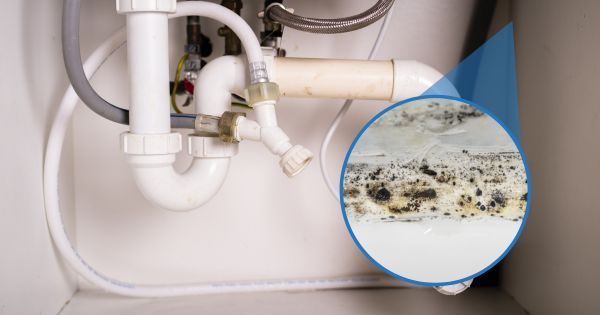
Why Mold Testing Matters in Lauderdale-by-the-Sea After Plumbing Leaks
In Lauderdale-by-the-Sea, plumbing leaks are more than just an inconvenience. In a coastal environment where humidity is already high, even a small leak can introduce enough moisture to create long-term problems inside a home. What makes plumbing-related moisture especially risky is how often it remains hidden. Mold testing becomes a critical step after a leak, helping homeowners understand what’s happening behind walls, under floors, and inside building materials.
Many plumbing leaks are fixed once water stops dripping, but the moisture left behind can continue to affect the home long after the repair is complete. Mold testing provides clarity when surface drying isn’t enough.
How Plumbing Leaks Create Mold Conditions
Plumbing leaks release water slowly and continuously, which is exactly the type of moisture mold needs. Unlike sudden flooding, leaks often soak drywall, cabinetry, flooring, and wall cavities over time.
In Lauderdale-by-the-Sea homes, this moisture dries slowly due to constant humidity and limited airflow, especially in slab foundation properties. Even after a pipe is repaired, damp materials may remain wet long enough for mold to begin developing.
Because the damage is often concealed, mold growth can progress without visible signs.
Why Coastal Homes Are More Vulnerable After Leaks
Lauderdale-by-the-Sea’s coastal climate amplifies the impact of plumbing leaks. High humidity prevents materials from drying quickly, allowing moisture to linger inside walls and floors.
Salt air can also affect plumbing components and fittings, increasing the likelihood of corrosion-related leaks over time. Slab foundations limit drying from below, and tightly built coastal homes often trap humidity inside.
These factors make mold testing especially important after any plumbing-related water issue in coastal homes.
Common Plumbing Leaks That Lead to Mold Concerns
Some of the most common leaks found in Lauderdale-by-the-Sea homes include slow drips under sinks, supply line leaks behind walls, and drain line failures inside cabinets or slabs.
Leaks near bathrooms, kitchens, laundry rooms, and water heaters often spread moisture into adjacent rooms. In multi-level homes, water can travel downward through framing before becoming visible.
By the time staining or odors appear, moisture may already be widespread.
Early Signs That Suggest Mold Testing Is Needed
Homeowners often notice subtle warning signs after a plumbing leak. Musty or earthy odors are common, even after visible water is cleaned up.
Cabinet bases may feel swollen or soft. Flooring near leak areas may warp or feel uneven. Paint or drywall may bubble, discolor, or peel days or weeks after the repair.
These signs usually indicate moisture remains trapped inside materials, making mold testing a logical next step.
Hidden Areas Where Mold Develops After Leaks
Mold from plumbing leaks often grows out of sight. Wall cavities behind sinks and toilets are common problem areas. Cabinet interiors, baseboards, and flooring layers can trap moisture long after surfaces appear dry.
In slab homes, moisture can spread beneath flooring materials. Adjacent rooms may also be affected as water migrates through framing and drywall.
Mold testing helps identify these hidden conditions before damage spreads further.
Why Visual Inspection Alone Is Not Enough
Visual checks can confirm that water is no longer leaking, but they can’t determine whether materials have fully dried. Dry surfaces do not always mean dry interiors.
Mold testing and moisture detection tools measure dampness inside drywall, wood, insulation, and flooring. Air or surface testing may be used when mold is suspected but not visible.
This process removes uncertainty and helps ensure problems aren’t overlooked.
How Professional Mold Testing Works After a Leak
Professional mold testing begins with a thorough inspection of the leak area and surrounding spaces. Inspectors evaluate moisture-prone materials and use detection tools to locate dampness behind walls or under floors.
Thermal imaging may help identify hidden moisture patterns caused by the leak. When appropriate, testing helps confirm whether mold is present and how far conditions extend.
Results guide next steps so repairs and cleanup are targeted and effective.
The Role of Mold Testing in Repair Decisions
Mold testing results help determine whether drying alone is sufficient or if further action is needed. In some cases, testing shows that moisture was caught early and materials can be preserved.
When mold is confirmed, testing helps define the scope of remediation so only affected areas are addressed. This prevents unnecessary removal while ensuring no contaminated materials are left behind.
Accurate information leads to smarter repair decisions.
Preventing Mold After Plumbing Repairs
Fixing the pipe is only part of the solution. Proper drying and moisture verification are essential to prevent mold from developing after a leak.
Monitoring the area for odors, stains, or humidity changes helps catch lingering issues early. In coastal homes, proactive moisture detection after plumbing repairs is often a wise precaution.
Good ventilation and prompt attention to any changes reduce the risk of recurring problems.
Why Local Experience Matters in Lauderdale-by-the-Sea
Plumbing leaks behave differently in coastal South Florida than in other regions. Professionals familiar with Lauderdale-by-the-Sea understand how humidity, construction styles, and slab foundations affect drying and mold risk.
Local experience helps ensure mold testing results are interpreted accurately. Companies like Pompano Mold Inspection and Testing bring that regional knowledge when evaluating homes after plumbing leaks in Lauderdale-by-the-Sea and nearby Broward County communities.
A Smart Step After Any Plumbing Leak
Plumbing leaks don’t have to turn into long-term problems, but ignoring the moisture they leave behind can be costly. Mold testing provides peace of mind by confirming whether hidden moisture or mold is present after repairs are complete.
For Lauderdale-by-the-Sea homeowners, mold testing after plumbing leaks is a practical, informed step toward protecting the home, maintaining comfort, and preventing small issues from becoming larger ones.
