Why Mold Testing Matters in North Lauderdale after Heavy Rain
Heavy rain is a regular occurrence in North Lauderdale, especially during the summer and storm season. While many homeowners focus on visible water damage after a storm, hidden moisture is often the greater concern. When water seeps into walls, ceilings, flooring, or insulation, mold can begin to develop long before it becomes visible.
Mold testing plays an important role in identifying potential problems early. For homeowners and property owners in North Lauderdale, Margate, Coconut Creek, and nearby Broward County communities, testing helps confirm whether mold is present, where it is developing, and what steps are needed to address it.
What Happens Inside a Home After Heavy Rain
After heavy rainfall, water can enter a home in several ways. Roof leaks, window gaps, foundation seepage, and clogged drainage systems are common sources of moisture intrusion. Even when surfaces appear dry, moisture may remain trapped inside building materials.
Warm temperatures and high humidity create ideal conditions for mold spores to grow. Because mold often develops in hidden areas, homeowners may not realize there is a problem until odors or visible damage appear.
Mold testing helps detect these issues before they spread further.
Why Mold Problems Are Common in North Lauderdale
North Lauderdale’s climate contributes significantly to mold growth. The combination of warm air, frequent rain, and high humidity slows the drying process and allows damp materials to remain wet longer.
Several local conditions increase the likelihood of mold after heavy rain:
- High outdoor humidity that slows evaporation
- Roof leaks caused by strong storms
- Water intrusion around windows and doors
- Saturated attic insulation after rainfall
- Air conditioning systems running constantly in humid conditions
Homes in nearby Pompano Beach and Deerfield Beach experience similar conditions, particularly during extended periods of heavy rain.
Common Signs That Mold May Be Present
Mold is not always visible in its early stages. Many homeowners first notice subtle changes inside the home.
Common warning signs include:
- Musty or damp odors
- Stains or discoloration on ceilings or walls
- Peeling paint or bubbling drywall
- Increased indoor humidity
- Persistent dampness in certain rooms
- Dark spots near vents or baseboards
These signs often indicate moisture behind surfaces where mold may already be developing.
Hidden Areas Where Mold Often Develops After Rain
One of the biggest challenges after heavy rain is that mold frequently grows in places that are difficult to see.
Common hidden locations include:
Inside attic insulation where roof leaks occur
Behind drywall affected by water intrusion
Under carpets or flooring that absorbed moisture
Inside air ducts where condensation forms
Behind cabinets or inside closets with limited airflow
Without testing, mold in these areas may remain undetected for long periods.
Why Mold Testing Is Important
Mold testing helps determine whether mold is present, even when it is not visible. It also helps identify the extent of contamination and whether indoor air quality has been affected.
Testing provides valuable information that helps guide proper remediation and prevents unnecessary repairs. It confirms whether musty odors or moisture problems are related to mold or another issue.
For property owners, testing is especially useful after heavy rain, when hidden moisture may still be present even if the home appears dry.
Why Visual Inspection Alone Is Not Enough
Many mold problems are invisible to the naked eye. Mold may grow inside wall cavities, insulation, or duct systems where it cannot be seen without specialized tools.
Visual inspections may identify obvious damage but often miss hidden contamination. Mold testing, combined with moisture detection, helps locate problem areas more accurately.
This approach ensures that remediation efforts focus on the areas that truly need attention.
How Professional Mold Testing Works
Professional mold testing typically begins with a detailed inspection of the property. This process may include:
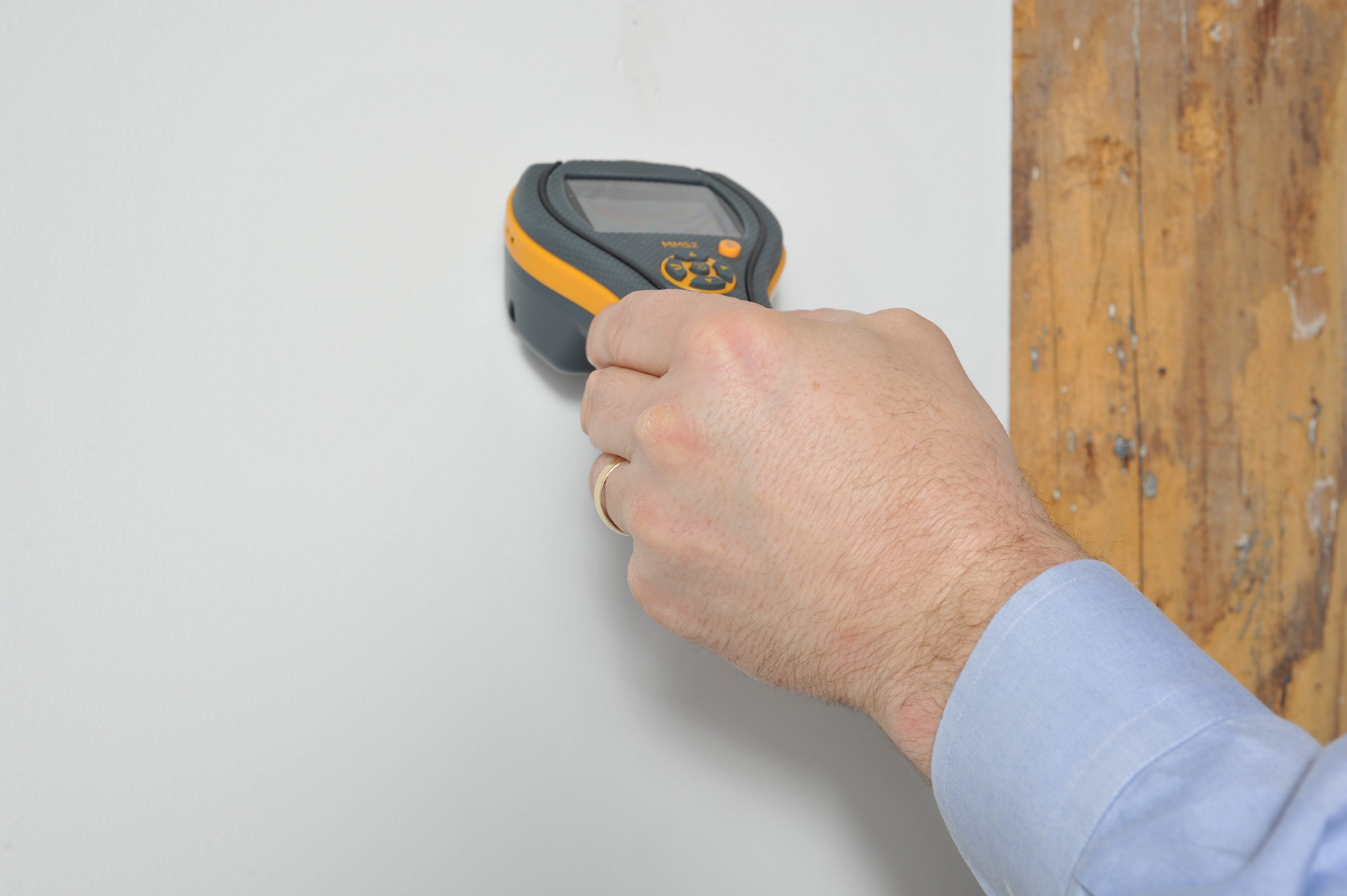
- Moisture meter readings in walls, ceilings, and floors
- Inspection of attic spaces and ventilation systems
- Identifying areas affected by water intrusion
- Air or surface sampling when necessary
- Measuring humidity levels indoors
These steps help determine whether mold is present and what conditions allowed it to develop.
Technicians familiar with homes in North Lauderdale understand common moisture patterns and building layouts, which helps identify hidden problem areas.
Mold Removal and Remediation After Testing
If testing confirms mold growth, proper remediation is the next step. Mold removal involves safely cleaning contaminated surfaces, removing damaged materials when necessary, and correcting the moisture source.
Drying affected areas thoroughly is essential to prevent mold from returning. Dehumidifiers, air movers, and moisture monitoring help ensure that materials reach safe moisture levels before repairs are completed.
This process helps restore safe indoor conditions and prevents recurring mold problems.
Water Damage and Flood Restoration Connections
Heavy rain often leads to water damage that extends beyond visible areas. Moisture trapped inside structural materials can continue causing problems long after the storm has passed.
Flood restoration and structural drying services are often recommended after significant water intrusion. These methods remove hidden moisture and reduce the risk of mold growth.
Homes in Margate, Coconut Creek, and Fort Lauderdale frequently require similar restoration steps after severe storms.
Air Ducts, AC Systems, and Mold Spread
Air conditioning systems can spread mold spores if moisture enters ductwork. Condensation inside ducts or damp insulation around air handlers can create conditions where mold develops.
When the system operates, spores may circulate throughout the home. Air duct inspection and cleaning may be necessary after heavy rain to ensure that ventilation systems remain clean and dry.
Maintaining HVAC systems and keeping drain lines clear also helps prevent moisture buildup.
Practical Steps Homeowners Can Take After Heavy Rain
Homeowners can reduce the risk of mold by taking prompt action after storms.
Helpful steps include:
- Inspect ceilings and walls for stains or dampness
- Check attics and closets for musty odors
- Run air conditioning to reduce humidity
- Replace HVAC filters after storms
- Address leaks or water intrusion immediately
- Schedule mold testing if odors or dampness persist
Early detection is one of the most effective ways to prevent larger problems.
Why Local Experience Matters
Mold testing in North Lauderdale requires an understanding of local weather patterns, humidity levels, and construction methods. Homes in this area often have attic layouts and ventilation systems that influence how moisture spreads and dries.
Professionals familiar with North Lauderdale, Pompano Beach, and surrounding Broward County communities know where hidden moisture is most likely to remain and how to identify it effectively.
Pompano Mold Inspection and Testing has assisted many homeowners in locating hidden mold, identifying moisture sources, and restoring indoor conditions after heavy rain. Local experience helps ensure that testing and remediation address long-term causes rather than temporary symptoms.
A Practical Next Step for Homeowners
Mold problems rarely resolve on their own. After heavy rain, musty odors or damp areas often indicate hidden moisture that should be investigated.
Scheduling mold testing helps confirm whether mold is present and allows homeowners to take corrective steps early. Proper inspection, drying, and remediation help protect homes in North Lauderdale and prevent long-term damage.