
Why Water Damage Repair Matters in Lauderdale-by-the-Sea in Residential Homes
Water damage is one of the most serious issues homeowners face in Lauderdale-by-the-Sea. With its coastal location, high humidity, seasonal storms, and heavy reliance on air conditioning, residential homes in this area are especially vulnerable to water-related problems. While some water damage is immediately visible, much of it develops quietly behind walls, under floors, or inside ceilings, causing long-term damage if not properly repaired.
In Lauderdale-by-the-Sea and nearby communities such as Pompano Beach, Fort Lauderdale, Lighthouse Point, and Deerfield Beach, water damage is rarely a one-time event. It often starts small and grows over time, affecting structural materials, indoor air quality, and overall home comfort. Understanding why water damage repair matters helps homeowners protect their property and avoid costly future repairs.
What Water Damage in Residential Homes Really Is
Water damage is not limited to obvious flooding. In residential homes, it often begins with slow leaks, moisture intrusion, or condensation problems. Plumbing leaks, roof damage, window seepage, appliance failures, and AC condensation are all common sources.
Once water enters the home, it spreads quickly through porous materials such as drywall, wood, carpet padding, and insulation. These materials absorb moisture and hold it, allowing damage to continue even after visible water has disappeared.
In Lauderdale-by-the-Sea’s humid environment, moisture does not dry naturally. Without proper water damage repair, damp materials remain compromised and continue to deteriorate over time.
Why Water Damage Is So Common in Lauderdale-by-the-Sea
Lauderdale-by-the-Sea’s coastal climate plays a major role in water damage issues. Heavy rainstorms, tropical systems, and high groundwater levels increase the risk of water intrusion. Salt air exposure also accelerates wear on building materials, making roofs, windows, and seals more vulnerable.
Many homes in the area were built years ago and may have aging plumbing or outdated waterproofing methods. Slab foundations, common in South Florida, allow moisture to move upward after prolonged rainfall.
Air conditioning systems run nearly year-round, producing condensation that must be properly managed. When condensation lines clog or drip pans overflow, water damage can develop slowly and go unnoticed.
Common Signs Homeowners Notice
Water damage often reveals itself through subtle warning signs. Stains on ceilings or walls are among the most common indicators. Paint may bubble or peel, and baseboards can begin to warp or separate from walls.
Homeowners may notice musty odors, especially after rain or when the AC turns on. Flooring may feel soft, uneven, or begin to lift at the edges. Increased indoor humidity and persistent condensation on windows are also signs of underlying moisture problems.
Ignoring these signs allows water damage to spread further into the home’s structure.
Hidden and Overlooked Sources of Water Damage
Some of the most serious water damage comes from hidden areas. Roof leaks may only appear during heavy rain and dry out quickly, leaving moisture trapped in attic insulation or ceiling cavities. Plumbing leaks inside walls can continue for months before becoming visible.
AC systems are a major source of hidden water damage in Lauderdale-by-the-Sea homes. Poorly insulated ductwork, clogged condensation lines, and overflowing drip pans release moisture into ceilings and walls.
Past water intrusion that was never properly dried is another common cause. Even if surfaces appear dry, moisture trapped inside materials can continue causing damage.
Why DIY Water Cleanup Is Not Enough
When water damage appears minor, many homeowners attempt basic cleanup using towels, fans, or household dehumidifiers. While these steps may remove visible water, they do not address moisture trapped inside building materials.
Without professional moisture detection, hidden damp areas remain untreated. In South Florida’s humidity, this trapped moisture creates ideal conditions for mold growth and material deterioration.
DIY cleanup also fails to address contamination concerns when water comes from plumbing leaks or external sources. Proper water damage repair requires specialized equipment and experience.
Professional Water Damage Inspection and Assessment
Effective water damage repair begins with a thorough inspection. Professionals use moisture meters and thermal imaging to locate water behind walls, under floors, and above ceilings.
This assessment ensures that all affected areas are identified and addressed. Accurate detection prevents unnecessary demolition while ensuring no moisture is left behind.
Documentation from inspections also helps homeowners understand the scope of damage and plan proper repairs.
The Proper Water Damage Repair Process
Water damage repair follows a structured process. First, the water source is identified and stopped to prevent further intrusion. Standing water is removed using professional extraction equipment.
Next comes drying and dehumidification. Industrial air movers and dehumidifiers remove moisture from materials and the surrounding air. This step is especially important in Lauderdale-by-the-Sea, where high humidity slows natural drying.
Once moisture levels return to safe ranges, damaged materials are repaired or replaced. This may include drywall, flooring, insulation, or baseboards. The goal is to restore the home fully, not just mask the damage.
Mold Risks After Water Damage
Mold growth is a common secondary issue following water damage. Mold can begin developing within 24 to 48 hours when moisture is present.
In residential homes, mold often grows in hidden areas such as wall cavities, behind cabinets, or inside ductwork. It may go unnoticed until odors or air quality issues develop.
Professional mold inspection and cleaning are often necessary after water damage to ensure mold does not become a long-term problem.
Flooding and Storm-Related Water Damage
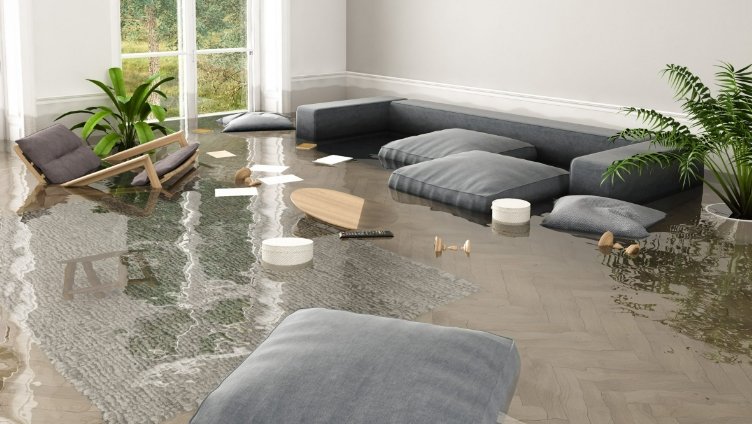
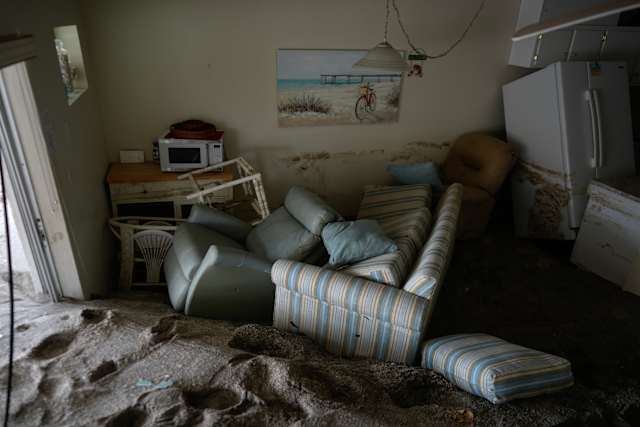
Storm-related flooding presents additional challenges for Lauderdale-by-the-Sea homeowners. Floodwater can carry contaminants that require specialized cleanup and sanitation.
Even shallow flooding can affect structural components, electrical systems, and HVAC equipment. Proper flood restoration includes water removal, drying, cleaning, and evaluation of materials that may need replacement.
Prompt response after storms reduces long-term damage and repair costs.
Air Ducts, HVAC Systems, and Water Damage
Water damage frequently affects HVAC systems. Moisture entering ductwork or air handlers can spread contaminants throughout the home.
Wet ducts and insulation reduce system efficiency and contribute to musty odors. Professional duct inspection and cleaning are often part of comprehensive water damage repair.
Maintaining clean and dry HVAC systems supports better indoor air quality and long-term system performance.
Preventing Water Damage in Lauderdale-by-the-Sea Homes
Prevention focuses on maintenance and early detection. Regular roof inspections, plumbing checks, and AC servicing reduce the risk of water damage. Clearing drains and ensuring proper grading around the home helps manage stormwater.
Installing moisture detection systems and addressing small leaks immediately prevents larger issues later. After any water intrusion, professional drying should be completed promptly.
In Lauderdale-by-the-Sea’s climate, prevention requires ongoing attention.
Why Local Experience Matters
Water damage repair in Lauderdale-by-the-Sea requires local knowledge. Understanding how coastal conditions, humidity, and construction styles interact helps professionals identify problems others may miss.
Pompano Mold Inspection and Testing brings experience working in Lauderdale-by-the-Sea, Pompano Beach, Fort Lauderdale, and surrounding Broward County communities. Local expertise ensures water damage repair addresses root causes, not just visible symptoms.
A Practical, Homeowner-Focused Approach
Water damage does not have to become overwhelming. Early recognition, professional inspection, and proper repair protect both the structure and comfort of the home.
For homeowners in Lauderdale-by-the-Sea, understanding why water damage repair matters leads to better decisions and long-term protection. Addressing moisture issues promptly helps maintain safe, comfortable, and resilient homes in South Florida’s demanding environment.
