
Why Water Leak Detection Matters in Lauderdale-by-the-Sea After Storm Damage
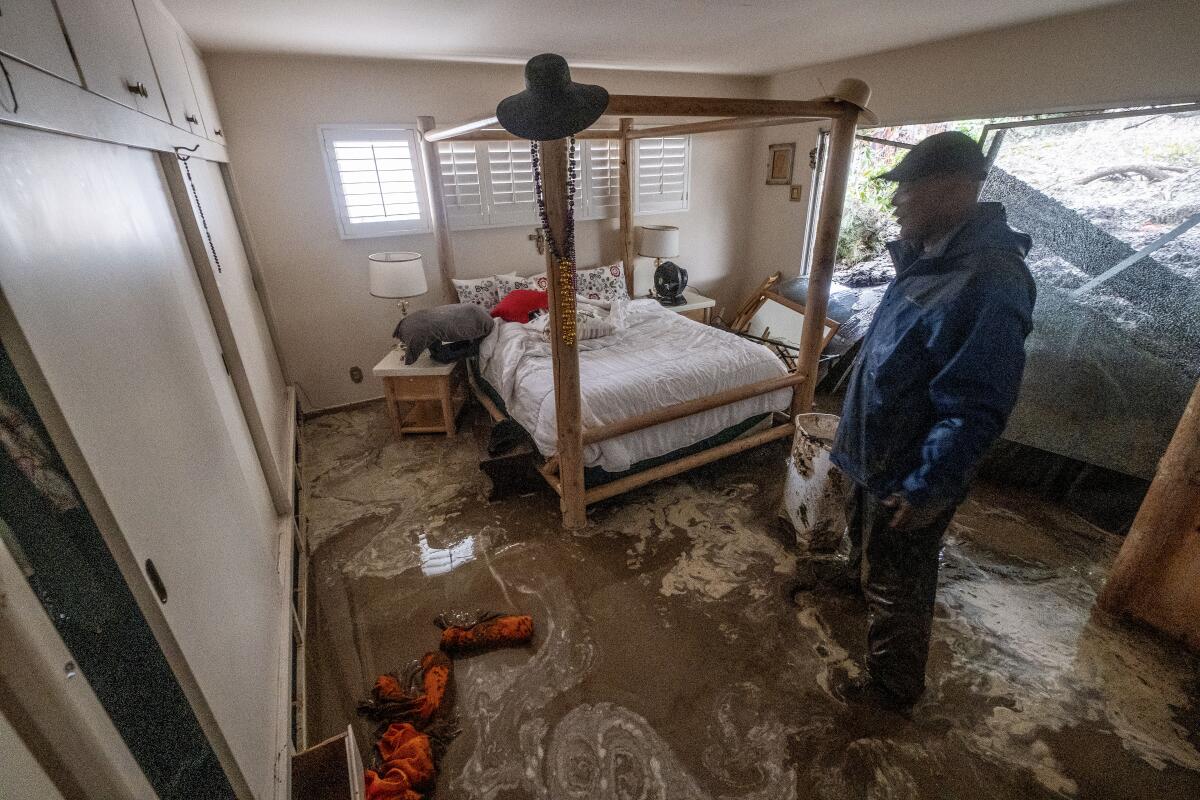
Storms in Lauderdale-by-the-Sea often bring heavy rain, strong winds, and driving moisture that can affect homes in ways that are not immediately obvious. Even when there is no visible flooding, water can enter through roofs, windows, walls, and foundations, then travel quietly through the structure. Many homeowners focus on obvious repairs after a storm and miss hidden leaks that continue causing damage long after the weather clears.
Water leak detection after storm damage is essential because it identifies problems early, before moisture leads to structural deterioration, persistent odors, or mold growth. In a coastal environment like Lauderdale-by-the-Sea, hidden water is one of the most common and costly post-storm issues.
How Storms Cause Hidden Water Leaks
Storm-related leaks do not always appear where water enters the home. Wind-driven rain can force water under roof shingles, flashing, or vents, allowing it to spread across attic spaces before soaking into ceilings or walls.
Water can also enter around windows, doors, and exterior wall penetrations. Once inside, it may travel downward inside wall cavities and emerge far from the original entry point.
In coastal homes, high winds combined with rain increase pressure on building envelopes. This makes small gaps and aging seals more vulnerable during storms, even if they normally hold up during light rain.
Why Lauderdale-by-the-Sea Homes Are Especially Vulnerable
Homes in Lauderdale-by-the-Sea face constant exposure to coastal weather. Salt air, humidity, and frequent storms accelerate wear on roofing materials, sealants, and exterior finishes.
Many homes are older and may have original windows, doors, or roof components that are more prone to storm-related leaks. Slab foundations common in the area can allow water to migrate beneath flooring after heavy rain.
High humidity slows drying after storms, allowing moisture from hidden leaks to remain active longer. This makes early detection especially important in this location.
Early Warning Signs of Hidden Leaks After Storms
One of the most common signs is a musty or damp odor that appears after a storm and does not go away. This often indicates moisture trapped inside walls or ceilings.
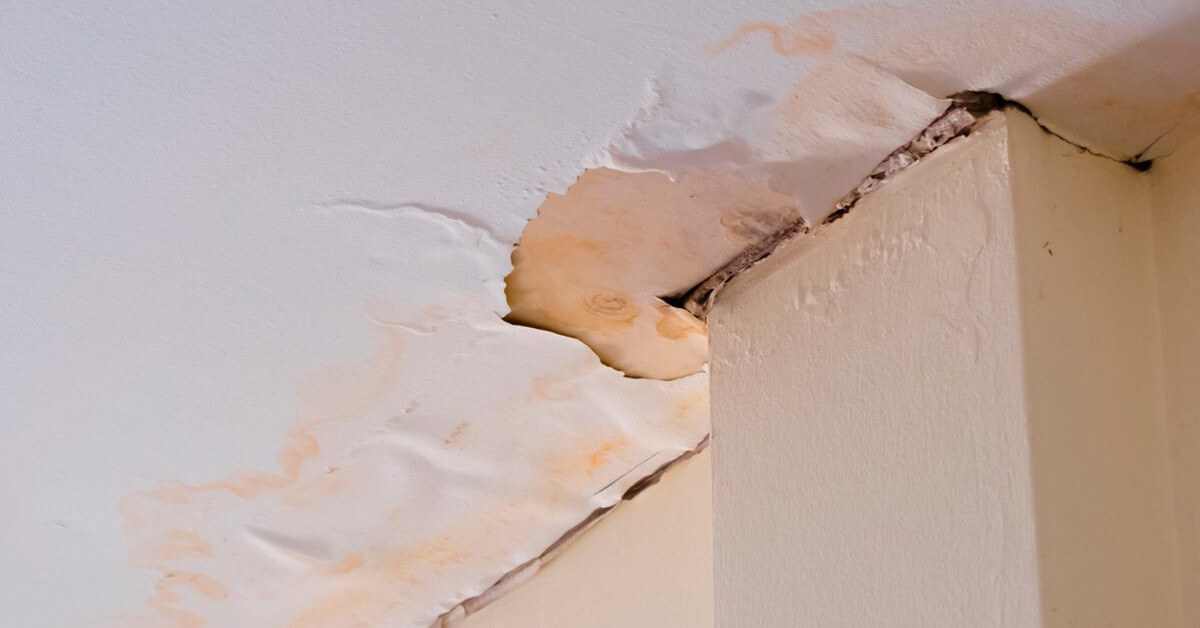
Discoloration on ceilings or walls, including faint yellow or brown stains, may develop days after the storm rather than immediately.
Paint that bubbles, peels, or cracks following heavy rain is another common indicator of hidden water intrusion.
Homeowners may also notice increased indoor humidity, condensation on vents, or rooms that feel damp even when the AC is running normally.
Where Water Leaks Commonly Hide After Storm Damage
Attics are one of the most common hiding places for storm-related leaks. Wet insulation can absorb large amounts of water and release it slowly into the home.
Wall cavities near windows, doors, and exterior walls often trap moisture from wind-driven rain.
Under flooring is another major concern. Water can move beneath tile, vinyl, or carpet and remain pressed against the slab foundation without visible surface signs.
HVAC systems may also be affected if storm water enters near air handlers or ductwork, spreading moisture further through the home.
Why Visual Inspections Are Not Enough
After storms, surfaces may dry quickly while moisture remains trapped inside materials. A visual check alone cannot confirm whether walls, floors, or ceilings are truly dry.
Hidden leaks often continue releasing moisture long after the storm, even though visible damage seems minor or nonexistent.
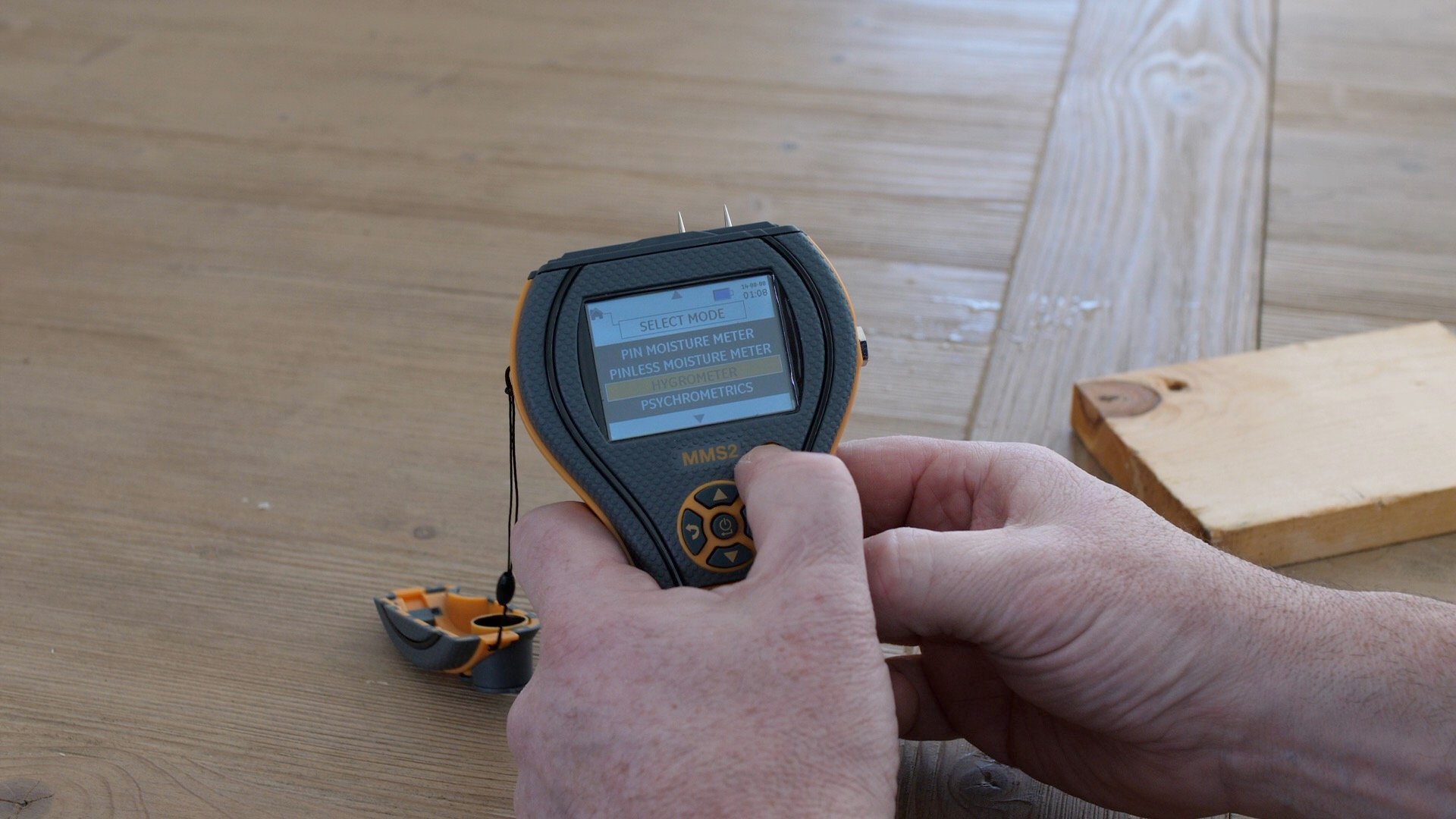
Water leak detection uses moisture meters and other tools to locate damp areas that cannot be seen, allowing targeted repairs instead of guesswork.
How Water Leak Detection Works After Storms
Leak detection begins with a focused inspection of areas commonly affected by storm damage. Moisture detection tools measure water content inside drywall, flooring, ceilings, and insulation.
These tools help identify active leaks as well as residual moisture from recent storms. In some cases, thermal imaging may be used to detect temperature differences caused by moisture evaporation.
Accurate detection allows repairs and drying to be directed where they are actually needed, reducing unnecessary demolition.
Pompano Mold Inspection and Testing performs water leak detection in Lauderdale-by-the-Sea homes after storm events to identify hidden moisture and guide proper repairs.
The Connection Between Hidden Leaks and Long-Term Damage
Water that remains hidden continues to affect building materials. Drywall softens, wood framing can swell, and metal components may corrode.
Moisture trapped inside walls and floors often leads to persistent odors and indoor discomfort. Over time, repeated exposure weakens structural components and increases repair costs.
Finding leaks early prevents minor storm damage from becoming a long-term structural issue.
Leak Detection and Mold Prevention
Mold depends on moisture. Hidden leaks after storms create ideal conditions for mold growth, especially in coastal humidity.
Mold may develop inside walls, under flooring, or in attics without visible surface signs. By the time it becomes noticeable, remediation is often more extensive.
Water leak detection helps locate and eliminate moisture sources before mold has a chance to establish itself.
Why Prompt Detection Saves Money
Addressing leaks early limits how far water spreads and how long materials stay wet. This reduces the need for material removal and extensive repairs.
Delayed detection often leads to repeated drying attempts, recurring damage, and higher overall costs.
In many cases, identifying a leak early after a storm keeps restoration limited and manageable.
Practical Steps Homeowners Can Take After Storms
After heavy rain or storms, inspect ceilings, walls, and floors for any changes, even subtle ones.
Pay attention to new odors or humidity changes inside the home.
Do not assume that no visible water means no damage. Hidden leaks are common in coastal storms.
Schedule a professional water leak detection assessment if your home experienced wind-driven rain, roof exposure, or repeated storms.
Maintain roofing, exterior seals, and drainage systems to reduce future storm-related leaks.
Why Local Experience Matters in Leak Detection
Storm behavior and water intrusion patterns vary by location. Lauderdale-by-the-Sea homes face unique challenges related to coastal exposure, building styles, and aging materials.
Professionals with local experience know where storm-related leaks typically occur and how water tends to travel in these homes.
Pompano Mold Inspection and Testing brings this local understanding to Lauderdale-by-the-Sea, Fort Lauderdale, Deerfield Beach, Lighthouse Point, and surrounding Broward County areas.
A Practical Next Step for Homeowners
If your home experienced storm damage, water leak detection provides clarity about what happened behind the scenes. It helps identify hidden moisture, supports proper drying and repairs, and reduces the risk of long-term problems.
Taking a proactive approach after storms is one of the most effective ways to protect Lauderdale-by-the-Sea homes from ongoing water damage.
