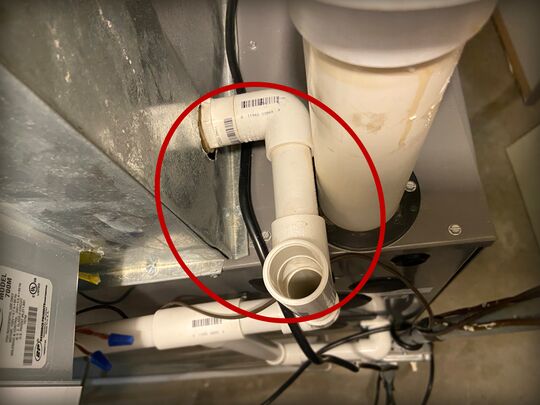
Why Water Leak Detection Matters in Lighthouse Point from AC Condensation
Air conditioning systems are essential in Lighthouse Point, where warm temperatures and high humidity are present for most of the year. While AC units are designed to remove moisture from indoor air, condensation problems can sometimes lead to hidden water leaks. These leaks often develop slowly and may not be immediately visible, but they can cause mold growth, structural damage, and poor indoor air quality if not detected early.
Water leak detection plays a critical role in identifying condensation-related problems and preventing long-term damage in homes.
How AC Condensation Leads to Water Leaks
Air conditioners cool indoor air by passing it over cold evaporator coils. As warm air meets the coils, moisture condenses into water droplets. This water is supposed to drain safely through a condensate line.
Leaks can develop when:
- Drain lines become clogged
- Drain pans overflow or crack
- Airflow becomes restricted
- Coils freeze and thaw repeatedly
- Ductwork develops condensation
When these problems occur, water can accumulate inside ceilings, walls, or near air handlers.
Why Condensation Problems Are Common in Lighthouse Point
Homes in Lighthouse Point and nearby areas like Deerfield Beach, Pompano Beach, and Lauderdale-by-the-Sea face environmental conditions that increase condensation risks.
These conditions include:
- High year-round humidity
- Long air-conditioning cycles
- Warm attic temperatures
- Salt air exposure
- Seasonal storms that increase indoor humidity
Even small condensation problems can lead to moisture buildup in hidden areas.
Early Signs of AC-Related Water Leaks
Condensation leaks often begin quietly. Homeowners may notice warning signs such as:
- Musty odors when the AC runs
- Water stains near vents or ceilings
- Damp insulation in attic spaces
- Increased indoor humidity
- Condensation around air handlers
These signs may appear gradually and should not be ignored.
Hidden Areas Where Condensation Leaks Occur
Water from AC systems frequently collects in areas that are not easy to inspect, including:
- Inside ductwork
- Around air handler units
- Behind drywall near HVAC systems
- Attic duct insulation
- Condensate drain lines and pans
Because these areas are enclosed, moisture can remain trapped and lead to mold growth.
Why Water Leak Detection Is Important
Water leak detection helps identify moisture problems before they cause serious damage. Professional detection provides several benefits:
- Locates hidden leaks quickly
- Prevents mold growth
- Protects drywall and insulation
- Improves indoor air quality
- Reduces long-term repair costs
Detecting leaks early often prevents minor condensation problems from becoming major restoration projects.
Professional Water Leak Detection Process
Leak detection typically follows a structured approach.
Step 1: Visual Inspection
Technicians examine air handlers, ceilings, and areas near ductwork for signs of moisture.
Step 2: Moisture Detection
Moisture meters are used to measure dampness in walls, ceilings, and insulation.
Step 3: Thermal Imaging
Infrared cameras help locate hidden moisture behind surfaces.
Step 4: Source Identification
The exact cause of condensation or leakage is identified so repairs can be completed.
Companies such as Pompano Mold Inspection and Testing often assist homeowners in Lighthouse Point by locating hidden moisture and helping prevent mold growth.
Repairs and Solutions After Leak Detection
Once condensation leaks are identified, several solutions may be recommended.
Drain Line Cleaning
Clearing clogged condensate lines restores proper drainage.
Coil and Drain Pan Maintenance
Cleaning or repairing components prevents overflow.
Duct Inspection and Cleaning
Drying and cleaning ducts helps prevent mold growth.
Structural Drying
Air movers and dehumidifiers remove moisture from affected materials.
These steps help restore safe indoor conditions and prevent future leaks.
Mold Risks from AC Condensation
One of the biggest risks of condensation leaks is mold growth. Mold can develop when moisture remains in building materials for extended periods, especially in warm climates.
Leak detection helps prevent:
- Mold remediation costs
- Structural damage
- Indoor air quality problems
- Persistent odors
Addressing condensation issues quickly reduces these risks.
Preventing Future Condensation Leaks
Property owners in Lighthouse Point can reduce the likelihood of AC-related leaks by following practical maintenance steps:
- Replace air filters regularly
- Schedule annual HVAC maintenance
- Clean condensate drain lines periodically
- Monitor indoor humidity levels
- Inspect attic ductwork for moisture
Routine maintenance helps keep systems operating efficiently.
Why Local Experience Matters
AC condensation problems in coastal environments require specialized knowledge. Professionals familiar with Lighthouse Point understand:
- Humidity patterns that affect HVAC systems
- Construction styles common in Broward County homes
- Condensation behavior in attic ducts
- Proper drying techniques for humid climates
This experience helps ensure inspections and repairs are effective.
A Practical Next Step for Homeowners
AC condensation leaks often begin quietly but can cause serious damage if ignored. Scheduling a professional leak detection inspection when early signs appear helps protect structural materials, prevent mold growth, and maintain comfortable indoor conditions.
Homeowners and property managers in Lighthouse Point often rely on experienced local providers such as Pompano Mold Inspection and Testing to locate hidden leaks, correct condensation problems, and restore safe indoor environments. Taking action early helps prevent costly repairs and keeps homes well-maintained year-round.