
Why Water Leak Detection Matters in Lighthouse Point in Residential Homes
Water leaks are one of the most common and costly problems facing residential homes in Lighthouse Point. Because many leaks start small and remain hidden, homeowners often do not realize there is an issue until damage becomes visible. By that point, moisture may have already spread into walls, floors, and structural materials. Water leak detection plays a critical role in identifying problems early and preventing long-term damage in coastal homes.
In Lighthouse Point, where humidity is high and moisture exposure is constant, leak detection is not just a repair step. It is a preventative measure that helps protect homes from ongoing deterioration.
Why Residential Homes in Lighthouse Point Are Prone to Water Leaks
Lighthouse Point’s coastal environment places continuous stress on residential plumbing systems and building materials. Salt air accelerates corrosion in pipes, fittings, and connections, especially in older homes. Over time, this corrosion weakens components and increases the risk of leaks.
Heavy rain and storms also contribute. Wind-driven rain can force water into small openings around windows, doors, and exterior walls. Groundwater levels rise after storms, increasing pressure around slab foundations and underground plumbing lines.
Nearby communities such as Pompano Beach, Lauderdale-by-the-Sea, and Fort Lauderdale face similar challenges, but homes closer to the coast often experience moisture problems more frequently.
Common Types of Water Leaks in Residential Homes
Water leaks in Lighthouse Point homes often develop out of sight. Plumbing leaks behind walls, under sinks, or inside ceilings are common. These leaks may drip slowly for months without obvious signs.
Slab leaks are another major concern. When pipes beneath the concrete foundation fail, water spreads under flooring and into lower walls. Homeowners may notice warm spots on floors, unexplained humidity, or rising water bills before any visible damage appears.
Roof leaks and window leaks also affect residential homes, especially during storms. Even small gaps allow moisture to enter wall cavities and attic spaces.
Early Warning Signs Homeowners Should Not Ignore
Water leaks usually provide warning signs, but they are often subtle. A persistent musty or damp smell is one of the most common indicators of hidden moisture.
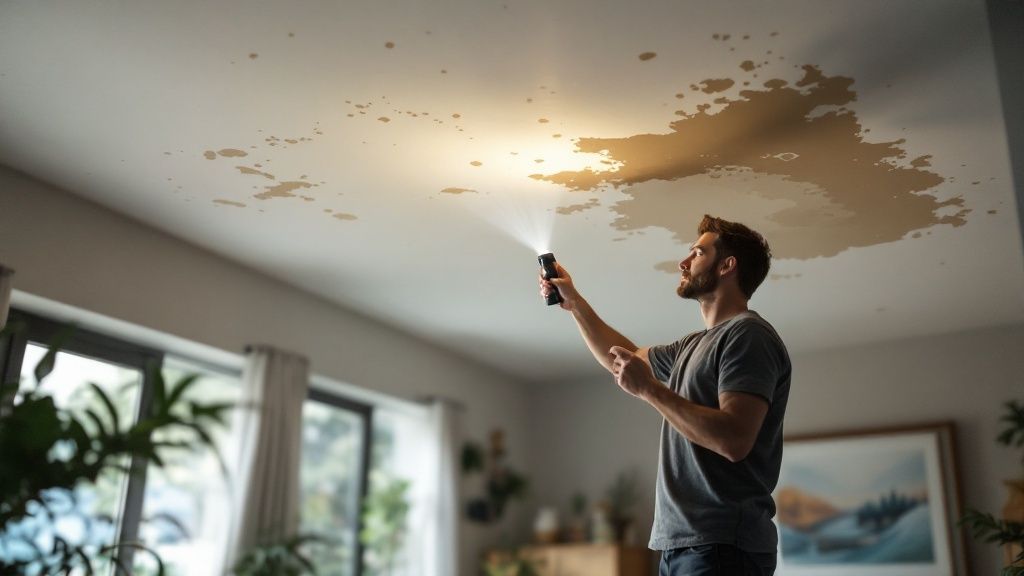
Discoloration on walls or ceilings, peeling paint, bubbling drywall, or warped baseboards may signal ongoing water exposure. Flooring may feel damp, uneven, or warm in areas affected by slab leaks.
Unexplained increases in water bills or the sound of running water when fixtures are off can also indicate hidden leaks.
Why Visual Inspection Alone Is Not Enough
Many homeowners rely on visual inspection to check for leaks. While this may catch obvious problems, it rarely identifies hidden leaks inside walls, floors, or slabs.
In coastal environments, humidity can mask leak symptoms. Materials may appear dry on the surface while holding moisture inside. By the time damage becomes visible, repairs are often more extensive.
Water leak detection goes beyond surface checks to locate leaks before damage spreads.
What Water Leak Detection Really Involves
Water leak detection is a non-invasive process designed to locate leaks accurately without unnecessary demolition. Specialized tools help identify moisture patterns and pinpoint leak sources.
Moisture meters measure moisture levels inside walls, floors, and ceilings. Thermal imaging can reveal temperature differences caused by water movement behind surfaces. Acoustic detection may be used to locate leaks in pressurized plumbing lines.
In Lighthouse Point homes, detection often focuses on slab foundations, plumbing pathways, exterior walls, and areas near bathrooms, kitchens, and laundry rooms.
How Leak Detection Protects Building Materials
Water leaks weaken building materials over time. Drywall softens, wood framing deteriorates, and insulation loses effectiveness when moisture persists.
Early leak detection limits how much water spreads into structural components. By identifying leaks before they cause widespread damage, homeowners can avoid extensive repairs and material replacement.
In residential homes, protecting materials early helps preserve both structure and value.
Connection Between Water Leaks and Mold Growth
Mold requires moisture to grow, and hidden leaks provide a steady source. Mold often begins growing inside wall cavities, under flooring, or behind cabinets long before it becomes visible.
Water leak detection helps identify moisture conditions that support mold growth. By addressing leaks early, homeowners significantly reduce the risk of mold remediation later.
In Lighthouse Point’s humid climate, leak detection is one of the most effective mold prevention tools.
Leak Detection and Water Damage Repair
Water leak detection works closely with water damage repair. Once a leak is identified, repairs can target the exact location rather than relying on guesswork.
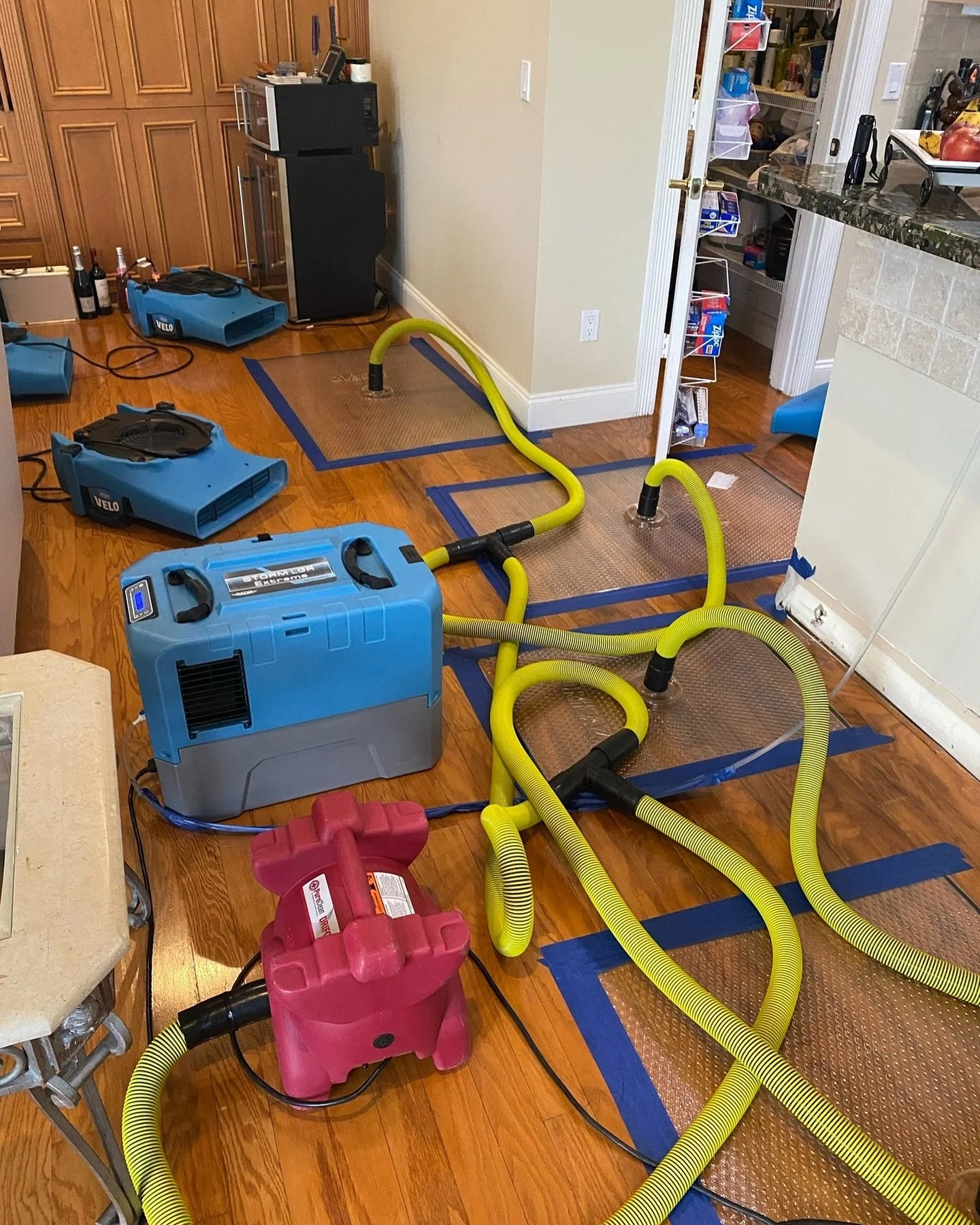
After repairs, moisture detection confirms that affected materials are drying properly. This prevents rebuilding over damp surfaces, which often leads to recurring damage.
Accurate detection shortens repair time and improves long-term results.
Why Slab Leak Detection Is Especially Important
Slab leaks are among the most damaging types of water leaks in residential homes. Because they occur beneath the concrete foundation, water can spread unnoticed for long periods.
Early slab leak detection prevents moisture from saturating flooring, baseboards, and lower walls. It also helps avoid long-term foundation issues caused by prolonged water exposure beneath the slab.
In Lighthouse Point homes, slab leak detection is often essential for preventing extensive damage.
Preventing Future Water Leaks in Residential Homes
Prevention starts with awareness and maintenance. Monitoring water bills, checking under sinks, and inspecting cabinet bases help catch small leaks early.
Replacing aging plumbing components and addressing corrosion reduces leak risk. Sealing exterior walls, windows, and doors helps prevent storm-related water intrusion.
After storms or plumbing repairs, moisture checks help confirm that no new leaks have developed.
Importance of Ongoing Moisture Monitoring
Even after leaks are repaired, monitoring moisture levels is important. Residual moisture can remain trapped inside materials and cause future problems.
Moisture detection tools help confirm that walls, floors, and cabinets have returned to safe moisture levels before cosmetic repairs are completed. This step reduces the risk of repeat damage.
In coastal homes, ongoing moisture awareness is key to long-term protection.
Why Local Experience Matters
Water leak detection in Lighthouse Point requires local knowledge. Coastal humidity, salt air, plumbing layouts, and residential construction styles all influence how leaks develop and spread. Local experience helps identify common problem areas and apply detection methods suited to Broward County homes.
Pompano Mold Inspection and Testing brings that local expertise to water leak detection, moisture detection, mold inspection, and water damage services throughout Lighthouse Point, Pompano Beach, Lauderdale-by-the-Sea, Fort Lauderdale, Coconut Creek, Deerfield Beach, Margate, North Lauderdale, and surrounding Broward County communities.
Protecting Residential Homes from Hidden Damage
Water leaks rarely fix themselves, especially in coastal environments. Water leak detection helps homeowners in Lighthouse Point uncover hidden problems early and prevent long-term damage. By identifying leaks accurately, guiding proper repairs, and supporting moisture control, leak detection plays a vital role in keeping residential homes durable, dry, and protected for years to come.
