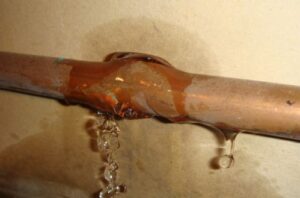
Why Water Leak Detection Matters in Pompano Beach after Plumbing Leaks
Even a small plumbing leak in a Pompano Beach home can quickly escalate into a costly problem. Florida’s humid climate, combined with frequent summer storms, makes homes particularly vulnerable to water damage and mold growth. Detecting and addressing leaks promptly protects your home’s structure, preserves indoor air quality, and prevents hidden mold from taking hold.
What the Water Leak Issue Is
Water leaks can occur in any part of a home, from plumbing pipes and faucets to irrigation systems or AC condensate lines. Even minor leaks can saturate walls, floors, or ceilings, creating hidden moisture pockets. Over time, this trapped water can lead to mold growth, wood rot, and structural deterioration.
Why This Happens So Often in Pompano Beach
Pompano Beach and surrounding areas, including Deerfield Beach, Lighthouse Point, and Coconut Creek, experience factors that increase the risk of water damage:
- High humidity year-round, which slows drying and encourages mold growth
- Heavy seasonal rains and occasional storms, which can exacerbate leaks
- Older plumbing systems that develop cracks or corrosion
- Slab foundations and tight construction, which trap moisture
These conditions mean that even a minor leak can become a serious problem if not identified early.
Common Signs Homeowners Notice
Many homeowners only discover water leaks after damage becomes visible. Common signs include:
- Stains or discoloration on ceilings, walls, or floors
- Bubbling or peeling paint
- Musty odors in certain rooms
- Unexplained high water bills
- Damp carpets or flooring near plumbing
Early detection is critical because hidden leaks can continue to saturate building materials without obvious signs.
Hidden or Overlooked Sources
Water leaks often occur in less obvious places, including:
- Behind walls or under cabinets
- Beneath sinks or near water heaters
- Around AC condensation lines and drip pans
- Under slab foundations or crawl spaces
A professional inspection can detect these hidden leaks before they cause extensive mold or water damage.
Why DIY Leak Detection Usually Fails
Many homeowners attempt to locate leaks themselves using visual inspection or temporary fixes. While this may work for obvious leaks, it often misses hidden water behind walls, under floors, or in ductwork. Temporary fixes may also fail to address the source of the problem, allowing water damage and mold to continue silently.
Professional Water Leak Detection Explained
Experts use advanced tools to detect leaks quickly and accurately:
- Moisture meters measure dampness in walls, floors, and ceilings
- Thermal imaging identifies hidden water behind walls or under flooring
- Leak detection cameras inspect pipes in hard-to-reach areas
- Pressure testing evaluates plumbing integrity
Professional detection allows for precise repairs, preventing further damage and reducing the risk of mold growth.
Proper Mold Inspection & Remediation Process
After a leak is detected, it’s important to assess for mold growth. Even minor leaks can create hidden mold problems. The process typically includes:
- Containment of affected areas
- Inspection of structural components and building materials
- Air sampling to detect spores
- Mold removal and treatment of contaminated surfaces
- Follow-up moisture testing to ensure the environment is dry
This ensures that both water and mold issues are addressed comprehensively.
Flood Restoration & Water Damage Repair
Water leaks sometimes combine with heavy rain or flooding, requiring professional restoration:
- Drying and dehumidification of affected areas
- Cleaning and repair of flooring, walls, and cabinetry
- Structural assessment and repair of damaged materials
- Preventive measures to reduce future leaks
Prompt restoration helps prevent long-term damage, protecting the home’s value and safety.
Air Ducts, AC Systems & Mold
AC systems can also contribute to hidden moisture after plumbing leaks. Condensation from ductwork or drip pans can mix with leak water, allowing mold spores to circulate throughout the home. Regular AC inspections and duct cleaning help reduce this risk, ensuring cleaner indoor air.
How to Prevent Water Damage in Pompano Beach Homes
- Schedule routine plumbing inspections and maintenance
- Monitor indoor humidity and use dehumidifiers when necessary
- Inspect AC systems, drip pans, and ducts regularly
- Seal leaks promptly and repair faulty plumbing
- Ensure proper drainage around the home’s foundation
These proactive steps reduce the likelihood of hidden leaks and mold growth.
Why Local Experience Matters
Pompano Beach homes face unique challenges due to Florida’s climate and local building styles. A professional with local experience can:
- Identify areas most prone to leaks in Broward County homes
- Recommend practical solutions for humid summers and storm conditions
- Detect hidden water that might be missed by nationwide techniques
Local expertise ensures accurate detection, effective repairs, and long-term protection of your home.
Calm, Trust-Based Call to Action
Water leaks in Pompano Beach don’t have to cause ongoing damage or hidden mold problems. Professional water leak detection ensures problems are identified early and resolved efficiently. By combining leak detection with mold inspection and remediation, homeowners can protect their property, maintain indoor air quality, and enjoy peace of mind year-round.
Image Prompts
- Professional using thermal imaging camera to detect hidden water behind walls in a Pompano Beach home, no people.
- Close-up of moisture meter checking a floor near a minor plumbing leak in a residential setting.
- Dehumidifiers and fans drying a living room after water leak detection, realistic, clean, no people.
Water leaks can occur in any part of a home, from plumbing pipes and faucets to irrigation systems or AC condensate lines. Even minor leaks can saturate walls, floors, or ceilings, creating hidden moisture pockets. Over time, this trapped water can lead to mold growth, wood rot, and structural deterioration.Many homeowners attempt to locate leaks themselves using visual inspection or temporary fixes. While this may work for obvious leaks, it often misses hidden water behind walls, under floors, or in ductwork. Temporary fixes may also fail to address the source of the problem, allowing water damage and mold to continue silently.Florida’s humid climate, combined with frequent summer storms, makes homes particularly vulnerable to water damage and mold growth. Detecting and addressing leaks promptly protects your home’s structure, preserves indoor air quality, and prevents hidden mold from taking hold.By combining leak detection with mold inspection and remediation, homeowners can protect their property, maintain indoor air quality, and enjoy peace of mind year-round.