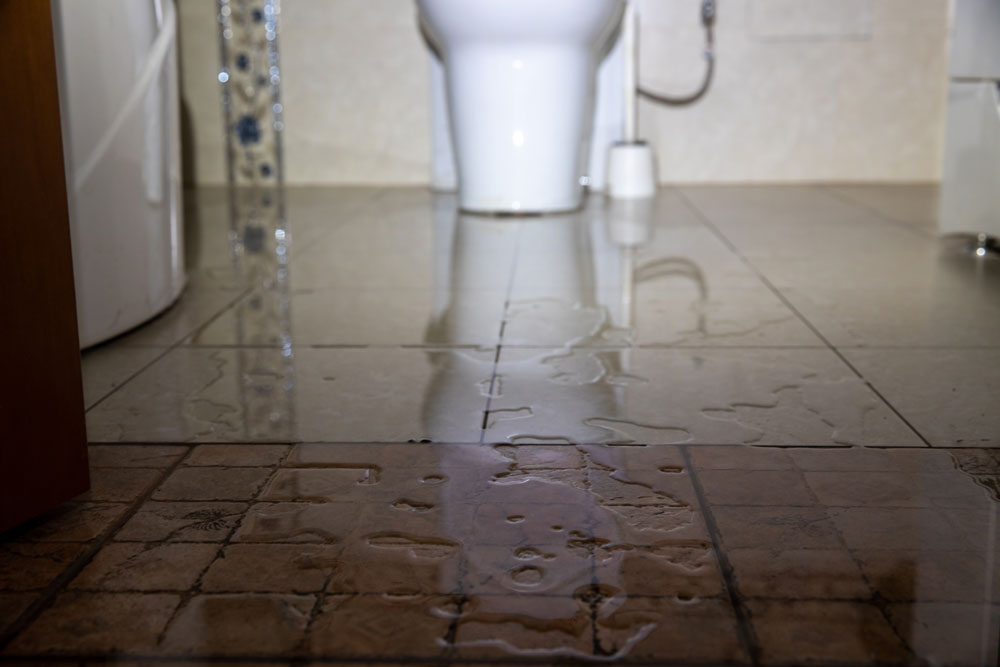
Why Water Removal Matters in Deerfield Beach in Humid Florida Summers
Summers in Deerfield Beach bring intense heat, high humidity, and frequent afternoon storms. While these conditions are part of everyday life in South Florida, they also increase the risk of water intrusion and lingering moisture inside homes. Even small amounts of water—whether from leaks, condensation, or storm-related issues—can lead to structural damage and indoor air quality concerns if not addressed quickly.
Water removal is one of the most important steps in protecting a property after any water intrusion. Understanding why it matters helps homeowners, landlords, and property managers take action early and avoid long-term problems.
What Water Removal Is
Water removal is the process of extracting standing water and drying affected materials to prevent damage and mold growth. It involves more than simply removing visible water. Moisture often spreads into flooring, walls, insulation, and duct systems, where it may remain hidden.
A proper water removal process typically includes:
- Extracting standing water
- Drying carpets, floors, and walls
- Reducing indoor humidity
- Monitoring moisture levels
These steps help restore a safe and dry indoor environment.
Why Water Problems Are Common in Deerfield Beach Summers
Humidity and rainfall are the main reasons water issues occur so frequently during the summer months.
High outdoor humidity
Warm air holds large amounts of moisture. When this humid air enters a home, condensation can form on cooler surfaces.
Frequent storms
Heavy rain can overwhelm drainage systems, allowing water to enter through roofs, windows, or foundations.
Continuous air conditioning use
AC systems remove humidity but also produce condensation. If drain lines clog or systems are not maintained, water can accumulate indoors.
Slower drying times
In humid environments, moisture evaporates more slowly, allowing damp materials to remain wet longer.
Because these conditions are typical in Deerfield Beach, prompt water removal becomes especially important during summer.
Early Signs of Water Intrusion
Water damage often begins with subtle warning signs rather than obvious flooding.
Property owners commonly notice:
- Musty odors
- Small stains on ceilings or walls
- Damp or cool areas on flooring
- Peeling paint or bubbling drywall
- Increased indoor humidity
These signs often indicate moisture is present even when water is not visible.
Hidden Areas Where Moisture Spreads
One of the biggest challenges with water intrusion is that moisture rarely stays in one place. It travels through porous materials and enclosed spaces.
Hidden moisture is often found in:
- Wall cavities and insulation
- Subfloors beneath tile or laminate
- Baseboards and trim
- Cabinets and storage areas
- Air ducts and HVAC components
Without proper drying, moisture in these areas can persist and lead to additional problems.
Why Quick Water Removal Is Important
Acting quickly after water intrusion helps prevent several types of damage.
Prevents structural deterioration
Wood, drywall, and insulation weaken when exposed to prolonged moisture.
Reduces the risk of mold growth
Warm, humid conditions can allow mold to develop within 24 to 48 hours.
Protects indoor air quality
Lingering moisture often leads to musty odors and airborne particles.
Limits repair costs
Early drying usually reduces the need for major repairs later.
These reasons make prompt water removal essential, especially during humid summer months.
Why DIY Drying Often Falls Short
Homeowners sometimes attempt to dry wet areas using fans, towels, or household dehumidifiers. While these methods may help remove surface moisture, they rarely address deeper dampness.
DIY drying often misses:
- Moisture trapped inside walls or padding
- High humidity levels in enclosed rooms
- Hidden water pockets beneath flooring
- Uneven drying that can lead to odors
Professional drying equipment is designed to remove moisture more thoroughly and monitor progress accurately.
How Professional Water Removal Works
A professional water removal process is designed to ensure that both visible and hidden moisture are addressed.
Typical steps include:
- Inspecting affected areas
- Extracting standing water
- Using air movers to increase evaporation
- Operating dehumidifiers to remove moisture from the air
- Monitoring moisture levels until drying is complete
Companies such as Pompano Mold Inspection and Testing often combine water removal with moisture detection and inspections to ensure that no hidden dampness remains.
The Role of Air Conditioning and Duct Systems
Air conditioning systems play a major role in moisture control during the summer. When working properly, AC units remove humidity from indoor air. However, clogged condensate lines, dirty coils, or restricted airflow can increase humidity and slow drying.
Duct systems may also accumulate moisture if insulation is damaged or airflow is reduced. Regular maintenance helps prevent these issues and supports faster drying after leaks or flooding.
Flooding and Storm-Related Water Damage
Summer storms in Deerfield Beach can cause sudden water intrusion, even in homes that have never flooded before. After heavy rain, it is important to inspect:
- Ceilings and attic spaces
- Baseboards and flooring
- Around windows and doors
- Utility rooms and HVAC closets
Early detection often prevents larger problems.
Practical Prevention Tips for Homeowners
While water intrusion cannot always be prevented, several practical steps help reduce the risk.
Inspect roofs and gutters regularly
Proper drainage helps prevent leaks during storms.
Maintain plumbing systems
Checking for small leaks helps prevent larger issues.
Monitor indoor humidity
Keeping humidity between 40% and 55% helps limit moisture buildup.
Service AC systems regularly
Routine maintenance prevents condensation problems.
Respond quickly to spills or leaks
Prompt drying prevents moisture from spreading.
These habits are simple but effective in protecting homes during humid summers.
Why Local Experience Matters
Water removal in Deerfield Beach requires an understanding of local weather patterns, building materials, and humidity levels. Homes in nearby communities such as Pompano Beach, Lighthouse Point, Margate, Coconut Creek, North Lauderdale, Lauderdale-by-the-Sea, and Fort Lauderdale all face similar environmental conditions.
Professionals familiar with Broward County homes understand:
- Seasonal humidity patterns
- Typical moisture entry points
- Effective drying methods in humid climates
- Construction styles common in the area
This local knowledge helps ensure water removal is thorough and effective.
A Practical Next Step
Water damage rarely improves on its own. If you notice stains, odors, or rising humidity, investigating early can prevent larger repairs. Prompt water removal, proper drying, and routine maintenance help protect both the structure of the home and indoor air quality.
In humid Florida summers, acting quickly after any water intrusion is one of the most effective ways to keep homes in Deerfield Beach dry, comfortable, and well maintained.