

Why Water Removal Matters in Margate after Flooding
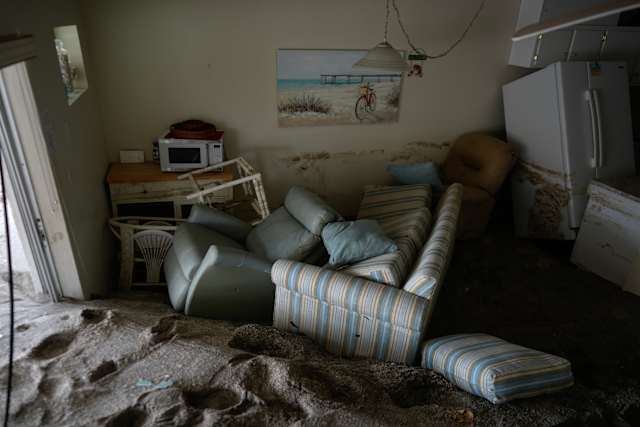
Flooding is an unfortunate but common issue for homes in Margate. Heavy rain, overwhelmed drainage systems, plumbing failures, and storm-related water intrusion can all lead to water entering residential properties. When flooding happens, many homeowners focus on removing visible water and cleaning up the mess. What often gets overlooked is how critical proper water removal really is. In South Florida’s humid climate, water left behind can cause far more damage than the flood itself.
In Margate homes, effective water removal is not just about convenience. It is the foundation for preventing mold growth, structural damage, and long-term moisture problems that can linger long after the floodwaters appear to be gone.
How Flooding Affects Homes in Margate
Floodwater spreads quickly once it enters a home. It moves across floors, seeps into baseboards, and soaks into drywall, insulation, and flooring materials. Even a small amount of standing water can penetrate deep into building materials within a short period of time.
Margate’s flat terrain and high water table make it easier for water to pool around foundations and enter homes. Slab foundations, which are common throughout Broward County, can absorb floodwater and slowly release moisture back into the home for days or weeks after the initial event.
Why Flood Damage Is Worse in South Florida
South Florida’s climate makes flooding more destructive than many homeowners expect. High humidity slows evaporation, which means water does not dry naturally. Even after standing water is removed, damp conditions often remain inside walls, floors, and ceilings.
Air conditioning systems may not be enough to remove this trapped moisture, especially after storms when humidity stays elevated. In nearby areas like Coconut Creek, North Lauderdale, and Pompano Beach, similar conditions lead to the same pattern of lingering moisture and delayed damage.
This environment allows mold to develop quickly if water removal is incomplete or delayed.
The Hidden Danger of Leftover Water
One of the biggest risks after flooding is hidden water. Water often travels beneath flooring, into wall cavities, and under cabinets where it is not visible. Homeowners may believe the problem is solved once floors look dry, but moisture can remain trapped out of sight.
This hidden water weakens materials over time. Drywall can lose structural integrity, wood framing can warp, and flooring adhesives can fail. These issues often show up weeks or months later, long after the flood itself is forgotten.
Why Immediate Water Removal Is Critical
Water removal is most effective when done as soon as possible after flooding. The longer water sits, the deeper it penetrates into materials. Quick extraction limits how far moisture spreads and reduces the amount of damage that needs to be repaired.
In Margate, early water removal is especially important because high humidity slows drying. Acting quickly helps prevent moisture from becoming trapped inside building materials where it is difficult to remove later.
Delaying water removal increases the risk of mold growth, which often begins in damp, hidden areas before any visible signs appear.
Why DIY Water Removal Often Falls Short
Many homeowners attempt to remove floodwater using wet vacuums, towels, or household fans. While these methods may help with surface water, they rarely address moisture trapped inside floors, walls, and insulation.
Household equipment is not designed to extract large volumes of water or dry materials deeply. As a result, moisture often remains behind even when the area looks dry. This incomplete drying is one of the most common reasons homeowners experience mold and odors after flooding.
Professional Water Removal Explained
Professional water removal focuses on extracting water from both visible and hidden areas. High-powered extraction equipment is used to remove standing water quickly and efficiently. This is followed by targeted drying designed to pull moisture out of building materials.
Moisture detection tools help identify where water has spread, including areas behind walls and under flooring. This ensures that no moisture pockets are missed during the drying process.
In Margate homes, water removal often includes monitoring humidity and moisture levels until materials return to safe ranges.
Connection Between Water Removal and Mold Prevention
Mold cannot grow without moisture. Proper water removal is the single most important step in preventing mold after flooding. If water is not fully removed, mold can begin growing within days in South Florida’s warm environment.
Mold often starts in areas homeowners cannot see, such as wall cavities, under flooring, or inside duct systems. By removing water thoroughly and drying affected areas completely, the conditions mold needs to grow are eliminated.
Water Damage Repair Depends on Proper Removal
Water damage repair should never begin until water removal and drying are complete. Replacing drywall, flooring, or baseboards while moisture is still present traps water inside the structure.
Trapped moisture leads to recurring damage, odors, and mold growth behind new materials. Proper water removal ensures repairs last and that the home is restored safely.
AC Systems and Flood-Related Moisture
Flooding can affect air conditioning systems, especially if water enters mechanical areas or raises indoor humidity levels. Moisture can collect in ducts, insulation, or around air handlers, creating additional hidden moisture sources.
Inspecting AC systems and ductwork after flooding helps ensure moisture has not spread into these areas. Addressing AC-related moisture issues is often an important part of complete water removal and drying.
Preventing Long-Term Problems after Flooding
Effective water removal reduces the risk of long-term problems. Homes that are thoroughly dried are far less likely to experience mold, structural damage, or persistent odors.
After flooding, homeowners should also address the cause of the water intrusion. Improving drainage, sealing entry points, maintaining plumbing systems, and ensuring AC components are functioning properly all help reduce the risk of future flooding.
Why Local Experience Matters
Water removal in Margate requires an understanding of local conditions. Florida’s humidity, rainfall patterns, and construction styles all influence how water behaves inside homes. Local experience helps ensure that water removal and drying methods are appropriate for Broward County properties.
Pompano Mold Inspection and Testing brings that local expertise to water removal, moisture detection, flood restoration, and water damage services throughout Margate, Coconut Creek, North Lauderdale, Pompano Beach, Fort Lauderdale, and surrounding communities.
A Smart First Step after Flooding
Flooding is stressful, but the right response makes a lasting difference. Proper water removal is the foundation of recovery after a flood. By acting quickly and addressing moisture thoroughly, Margate homeowners can prevent mold, protect their homes, and reduce the risk of long-term damage that often follows flooding.
