Why Water Removal Matters in North Lauderdale in Commercial Buildings
Water damage is a serious concern for commercial buildings in North Lauderdale. Offices, retail stores, warehouses, and multi-unit facilities often contain large HVAC systems, extensive plumbing, and wide roof areas that can all contribute to water intrusion. When water enters a commercial structure, quick and professional removal is essential to prevent structural damage, mold growth, and business disruption. Understanding why water removal matters helps property owners and facility managers protect their buildings and maintain safe indoor conditions.
What Water Removal Means in Commercial Buildings
Water removal is the process of extracting standing water, drying structural materials, and restoring normal moisture levels inside a building. In commercial properties, this process is often more complex than in residential homes because of:
- Larger floor areas
- Multiple rooms and enclosed spaces
- Commercial HVAC systems
- Electrical and mechanical equipment
- High occupancy levels
Proper water removal helps prevent long-term damage and allows businesses to return to normal operations more quickly.
Why Water Damage Is Common in North Lauderdale Commercial Properties
Commercial buildings in North Lauderdale are exposed to environmental and structural factors that increase the risk of water intrusion:
- Heavy seasonal rainfall and storms
- Flat or low-slope roofing systems
- Aging plumbing lines and fixtures
- Air conditioning condensation from large HVAC units
- Drainage problems around large structures
Because commercial buildings often operate for long hours or continuously, small leaks may go unnoticed until water damage becomes significant.
Common Signs of Water Damage in Commercial Buildings
Facility managers and property owners often notice early warning signs before major damage occurs. These signs may include:
- Water stains on ceiling tiles
- Musty odors in offices or storage areas
- Warped flooring or baseboards
- Peeling paint or bubbling drywall
- Increased humidity indoors
These signs often indicate that moisture is present and should be addressed quickly.
Hidden Areas Where Water Damage Develops
Water damage in commercial buildings often begins in areas that are not visible during daily operations. Inspectors in North Lauderdale frequently find moisture in:
- Above suspended ceilings
- Mechanical and equipment rooms
- Wall cavities near plumbing lines
- Carpet padding and subfloors
- Air ducts and HVAC compartments
Because these areas are not routinely inspected, moisture can remain trapped and cause long-term problems.
Why Immediate Water Removal Is Critical
Water can begin damaging materials very quickly. In commercial buildings, delays in water removal may lead to:
- Structural deterioration of drywall and wood
- Damage to flooring and ceiling materials
- Increased humidity affecting indoor air quality
- Mold growth in damp areas
- Odors and contamination that spread through ventilation systems
Prompt removal reduces the likelihood of extensive repairs and downtime.
Why DIY Water Removal Is Not Effective in Commercial Spaces
Some property owners attempt to handle water removal using mops, wet vacuums, or fans. While these methods may remove visible water, they rarely address moisture trapped inside materials.
DIY efforts often fall short because:
- Large areas require industrial equipment
- Structural materials dry slowly without dehumidification
- Moisture inside walls and ceilings remains
- Humidity levels are not monitored
Professional water removal uses specialized equipment designed for large spaces and deep drying.
Professional Water Removal Process Explained
A professional water removal process in North Lauderdale commercial buildings typically follows a structured approach:
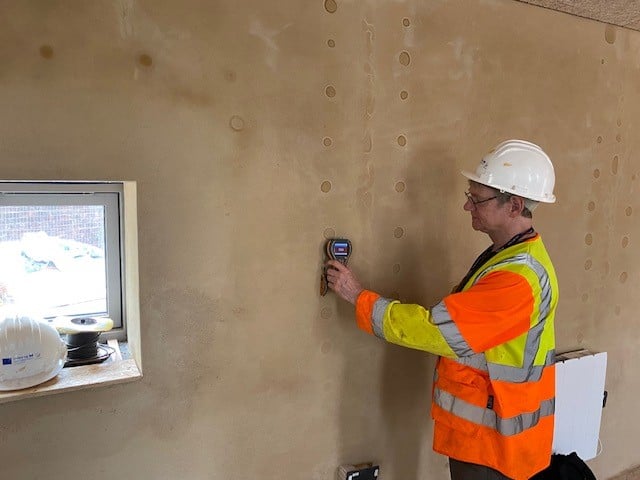
- Inspection and Moisture Detection
Technicians identify the source of water intrusion and measure moisture levels throughout the building. - Water Extraction
High-capacity extraction equipment removes standing water from floors and surfaces. - Removal of Damaged Materials
Ceiling tiles, drywall, or carpet padding may be removed if they cannot be safely dried. - Structural Drying
Air movers and industrial dehumidifiers are used to remove moisture from walls, subfloors, and structural components. - Monitoring and Final Inspection
Moisture levels are monitored until materials reach safe levels.
Pompano Mold Inspection and Testing often evaluates moisture conditions and water damage in North Lauderdale and surrounding Broward County commercial properties, helping building managers understand the extent of damage and necessary restoration steps.
Mold Removal and Remediation Considerations
When water is not removed quickly, mold can begin to grow in damp areas. In commercial buildings, mold growth can affect:
- Offices and workspaces
- Storage rooms
- Ceiling cavities
- HVAC systems
If mold develops, remediation may include containment, removal of contaminated materials, cleaning, and drying to restore safe indoor conditions.
Flood Restoration and Structural Repairs
In cases of significant water intrusion or flooding, restoration may involve:
- Water extraction from large areas
- Replacement of ceiling tiles and insulation
- Drying structural framing and subfloors
- Repairing drywall and flooring
These steps help restore the building and prevent further deterioration.
HVAC Systems, Air Ducts, and Water Damage
Commercial HVAC systems can be affected by water intrusion or elevated humidity. Moisture in ducts or air handlers can lead to:
- Musty odors circulating through the building
- Mold growth in duct insulation
- Reduced airflow efficiency
Inspecting HVAC systems after water damage helps maintain indoor air quality and prevent additional problems.
How Commercial Property Owners Can Prevent Water Damage
Preventive maintenance is one of the most effective ways to reduce water damage risks. Property managers in North Lauderdale can:
- Inspect roofs and drainage systems regularly
- Maintain plumbing and mechanical systems
- Monitor indoor humidity levels
- Inspect HVAC drain lines and condensate systems
- Address leaks immediately
Routine inspections often identify small issues before they become major repairs.
Why Local Experience Matters
Water damage in South Florida commercial buildings is influenced by climate, construction styles, and storm patterns. Professionals familiar with North Lauderdale understand:
- How humidity affects drying times in large buildings
- Common roof and drainage challenges in commercial structures
- Typical moisture patterns after storms
This experience helps ensure inspections and restoration efforts are effective.
A Practical Next Step for Building Owners and Managers
Water removal is one of the most important steps in protecting commercial buildings from long-term damage. Acting quickly after leaks or flooding helps preserve structural materials, maintain indoor air quality, and reduce downtime.
With proper inspection, professional drying, and regular maintenance, commercial property owners in North Lauderdale can keep buildings safe, dry, and fully operational.