
Carpet Cleaning After Water Damage Services in Margate in Humid Florida Summers: Understanding the Process
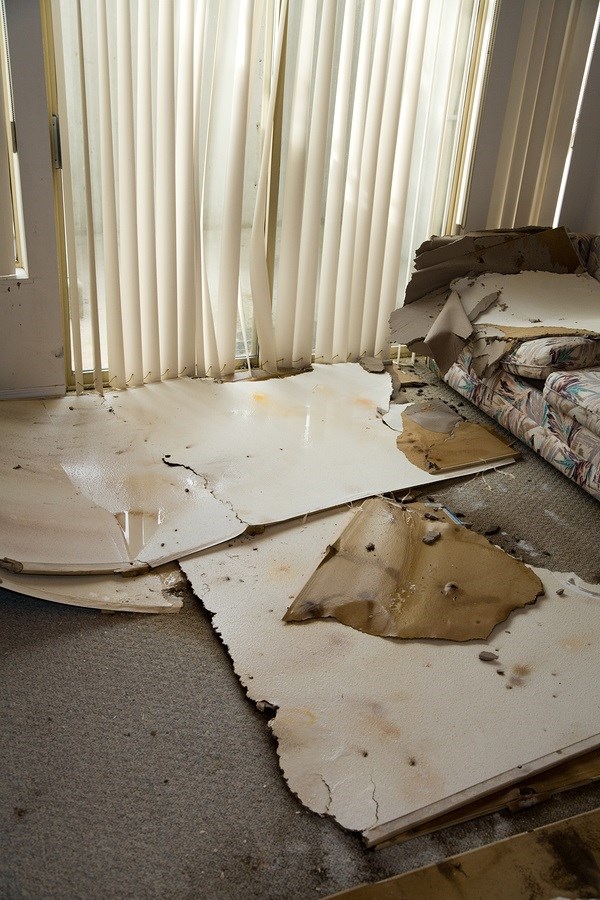
Summer in Margate brings intense heat, daily humidity, and frequent rainstorms. When water damage affects carpets during this time of year, problems can escalate quickly. What might seem like a minor spill, leak, or brief flooding can turn into lingering odors, material breakdown, or mold growth if carpets are not handled correctly.
Carpet cleaning after water damage in humid Florida summers requires more than basic cleaning. Understanding how moisture behaves in carpets and what the proper process involves helps Margate homeowners protect their floors, indoor conditions, and the structure of their homes.
How Water Damage Affects Carpets in Humid Conditions
Carpets are highly absorbent by design. When water enters the home from storms, plumbing leaks, AC failures, or appliance overflows, carpet fibers soak it up almost immediately. The real concern, however, is what happens beneath the surface.
Carpet padding absorbs and holds water longer than the carpet itself. In humid summer conditions, evaporation slows significantly, allowing moisture to remain trapped. This creates an environment where odors develop and materials begin to deteriorate.
In Margate homes, high ambient humidity makes natural drying unreliable. Even when carpets feel dry on top, moisture can remain in the padding or subfloor below.
Why Summer Water Damage Is More Challenging in Margate
Florida summers combine heat and humidity, which complicates carpet drying. High humidity reduces the air’s ability to absorb moisture, slowing evaporation.
Air conditioning systems work overtime during summer months. If AC drain lines clog or systems are undersized, indoor humidity may remain elevated, further slowing carpet drying.
Frequent summer storms can introduce repeated moisture, making it difficult to fully dry carpets between events. Older homes and slab foundations common in Margate can trap moisture beneath flooring.
These conditions make professional drying and cleaning especially important during the summer.
Early Signs Carpet Water Damage Needs Attention
Water-damaged carpet does not always look severe at first. A faint musty smell is often the earliest warning sign. This odor may become stronger when the AC runs or after the home has been closed for several hours.
Carpet fibers may feel stiff, matted, or slightly damp even days after the water event. Discoloration or darkening near walls or furniture edges can indicate trapped moisture.
In humid conditions, homeowners may also notice increased indoor humidity or condensation in rooms with affected carpet, signaling moisture retention below the surface.
Hidden Problems Beneath the Carpet
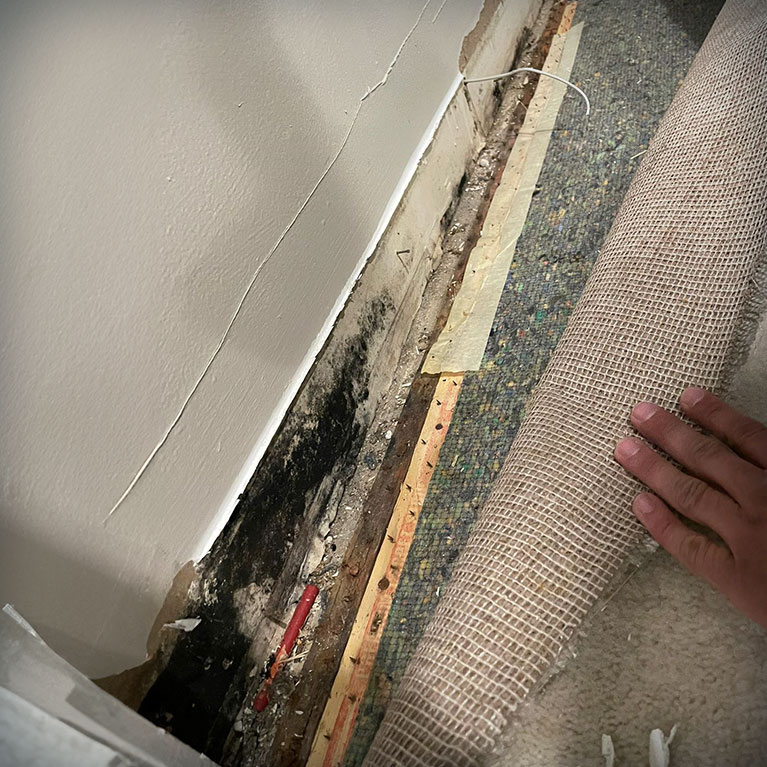
The most serious damage often occurs out of sight. Moisture trapped in carpet padding creates ideal conditions for mold growth, especially in summer heat.
Water can migrate outward beneath carpet, affecting baseboards and lower drywall. In slab-on-grade homes, moisture may remain pressed against the concrete, prolonging drying time.
If water damage is related to plumbing leaks, moisture may continue feeding the problem until the source is corrected. Cleaning the carpet alone does not solve the issue.
Why Standard Carpet Cleaning Is Not Enough
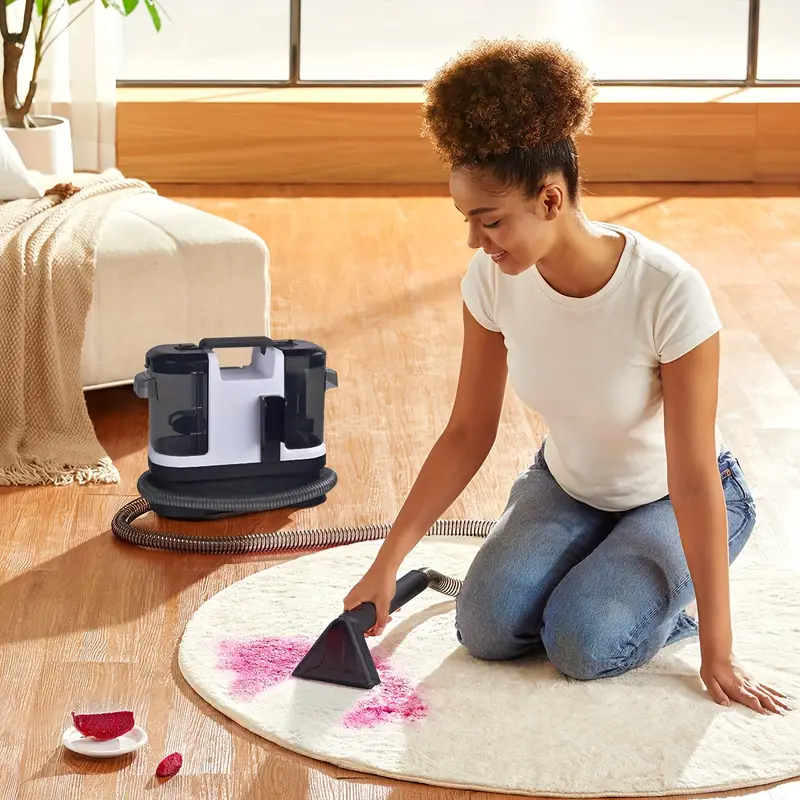
Routine carpet cleaning methods are designed for dirt and stains, not water damage. Shampooing or surface extraction does not remove moisture from padding or subflooring.
In some cases, cleaning a wet carpet without proper drying can push moisture deeper, worsening the problem. This often leads to recurring odors and hidden mold growth.
Effective carpet cleaning after water damage requires moisture assessment, controlled extraction, and thorough drying of all affected layers.
How Professional Carpet Cleaning After Water Damage Works
The process begins with an inspection. Moisture meters are used to determine how far water has spread and whether padding or subfloor materials are affected.
Water is extracted using high-powered equipment designed for saturated carpets. If addressed quickly, carpets can often be saved.
Drying equipment is then placed strategically to pull moisture from carpet, padding, and underlying surfaces. Air movers and dehumidifiers work together to overcome high summer humidity.
Moisture levels are monitored to ensure drying is complete before cleaning and deodorizing steps are finalized.
Pompano Mold Inspection and Testing regularly performs carpet cleaning after water damage in Margate and surrounding Broward County communities during humid summer conditions.
Carpet Cleaning After Storms and Flooding
Summer storms are a common cause of carpet water damage. Stormwater may carry contaminants that require additional cleaning steps.
After flooding, carpets must be evaluated carefully. In some cases, removal is necessary to prevent long-term issues. When carpets can be salvaged, cleaning includes deep extraction, antimicrobial treatment, and controlled drying.
Skipping steps after storm-related water damage increases the risk of mold growth beneath flooring.
Mold Risks Linked to Wet Carpets in Summer
Mold growth can begin quickly when carpets remain damp in warm, humid conditions. Padding and subfloor materials are especially vulnerable.
Mold may not appear on the carpet surface but can spread underneath, affecting indoor conditions and nearby building materials.
Professional drying and inspection reduce this risk by eliminating moisture before mold has time to develop.
The Role of AC Systems in Carpet Drying
Air conditioning systems play a key role in summer carpet drying. Proper airflow and humidity control help remove moisture from the air.
However, if AC systems are not functioning efficiently, drying slows significantly. Clogged drain lines, poor airflow, or duct moisture issues can contribute to lingering dampness.
Professional drying plans account for HVAC performance and may include supplemental dehumidification to achieve proper results.
Practical Tips Homeowners Can Use Immediately
After any water event, act quickly. The first 24 hours are critical, especially in summer.
Avoid placing furniture back on damp carpet, as this traps moisture. Do not rely on fans alone without dehumidification.
If water damage occurs during humid weather, schedule an inspection even if the carpet looks dry. Early detection often prevents mold and replacement.
Regular AC maintenance and prompt plumbing repairs reduce the risk of future summer water damage.
Why Local Experience Matters in Summer Water Damage
Margate homes experience specific challenges during Florida summers. Local professionals understand how humidity, slab foundations, and construction styles affect carpet drying.
Experience with summer conditions helps determine whether carpets can be saved or require removal, avoiding unnecessary costs or repeated problems.
Pompano Mold Inspection and Testing brings this local knowledge to Margate, Coconut Creek, North Lauderdale, Pompano Beach, and surrounding Broward County areas.
A Practical Next Step for Homeowners
If carpets in your Margate home have been affected by water during the summer, addressing the issue promptly is essential. Professional assessment and drying protect flooring, indoor conditions, and the structure beneath.
Understanding the process and acting early is the most reliable way to manage carpet water damage during humid Florida summers.