Professional Insights: Flood Restoration in Lauderdale-by-the-Sea from Poor Ventilation
Flooding and water intrusion are serious concerns for property owners in Lauderdale-by-the-Sea, especially during periods of heavy rain, coastal storms, and high humidity. While flooding is often associated with stormwater or plumbing failures, poor ventilation inside a home or building can significantly worsen the effects of water damage. When airflow is limited, moisture remains trapped in walls, ceilings, and flooring, slowing drying and increasing the risk of structural damage.
Understanding how poor ventilation contributes to flood damage—and how proper restoration works—helps homeowners, landlords, and property managers protect their properties and recover more effectively.
How Flood Damage Develops in Coastal Homes
Flood damage does not always involve large amounts of standing water. In many Lauderdale-by-the-Sea homes, water intrusion may begin with:
- Wind-driven rain entering through small openings
- Roof leaks during storms
- Water pooling around foundations
- Plumbing failures
- Overflowing drainage systems
Once water enters a structure, materials such as drywall, wood, and insulation begin absorbing moisture. Without proper airflow and drying, moisture remains trapped and damage spreads.
Why Poor Ventilation Makes Flood Damage Worse
Ventilation allows humid air to escape and helps moisture evaporate from wet materials. When ventilation is limited, drying slows dramatically.
Common ventilation problems include:
- Attics without adequate venting
- Bathrooms or kitchens without exhaust fans
- Enclosed storage areas with no airflow
- Blocked return air vents
- Tightly sealed buildings with limited air circulation
In Lauderdale-by-the-Sea’s humid climate, poor ventilation allows moisture to linger much longer than expected.
Why This Problem Is Common in Lauderdale-by-the-Sea
Lauderdale-by-the-Sea and nearby communities such as Pompano Beach, Lighthouse Point, Deerfield Beach, Margate, Coconut Creek, North Lauderdale, and Fort Lauderdale experience environmental conditions that increase flood restoration challenges.
Several factors contribute to prolonged moisture problems:
- High coastal humidity year-round
- Warm temperatures that slow drying indoors
- Frequent storms and heavy rainfall
- Homes with attic ductwork and enclosed spaces
- Continuous AC use that may mask humidity levels
Because humidity remains elevated, even small amounts of water can cause extended moisture problems.
Early Signs of Hidden Flood Damage
Flood damage is not always obvious after water is removed. Homeowners may notice subtle signs indicating moisture remains trapped.
Common warning signs include:
- Musty or damp odors
- Water stains on ceilings or walls
- Peeling paint or bubbling drywall
- Warped baseboards or trim
- Damp or cool flooring
- Increased indoor humidity
These signs often indicate that drying is incomplete.
Hidden Areas Where Moisture Often Remains
Professional inspections frequently uncover moisture in areas that homeowners rarely see, including:
- Wall cavities behind drywall
- Carpet padding and subfloors
- Attic insulation near rooflines
- Cabinets and closets
- Air handler closets and ductwork
Because these areas are enclosed, moisture may remain long after surfaces appear dry.
Understanding the Flood Restoration Process
Flood restoration involves more than removing visible water. A structured process ensures that both surface and hidden moisture are addressed.
Inspection and Assessment
The process begins with identifying the source of water intrusion and evaluating how far moisture has spread. Moisture detection tools help locate hidden damp areas.
Water Extraction
Standing water is removed using specialized equipment designed to extract large volumes quickly.
Drying and Dehumidification
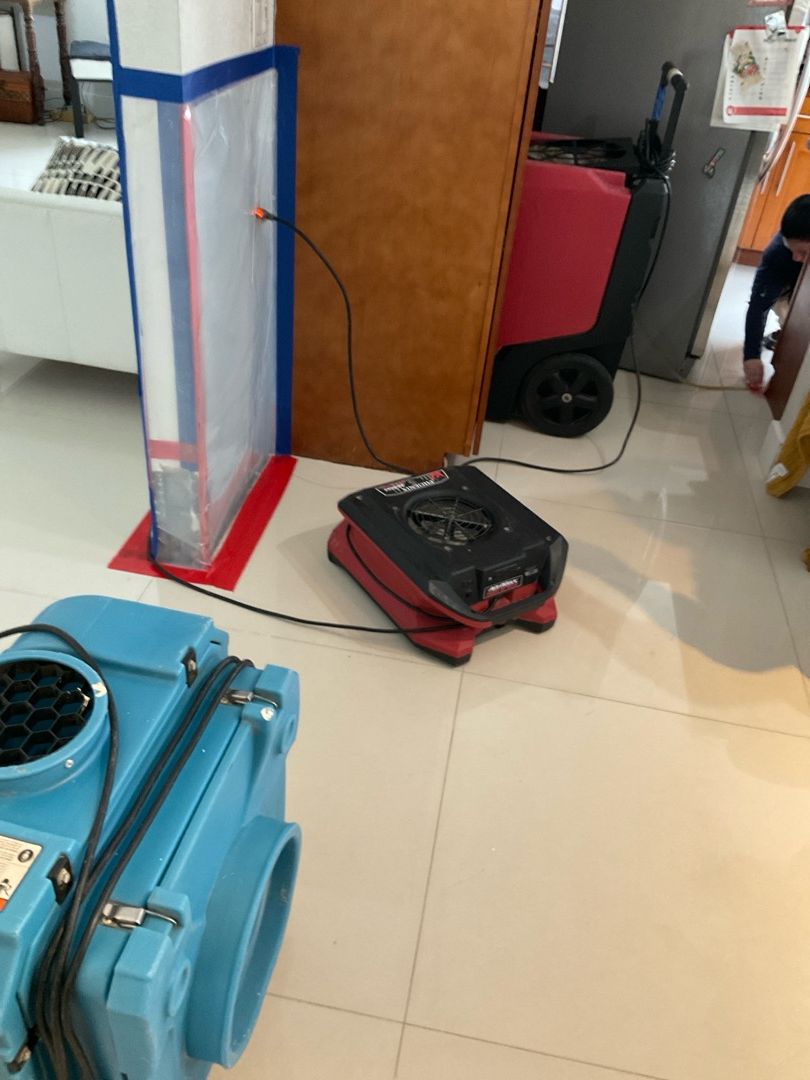
Air movers and dehumidifiers are used to remove moisture from materials and indoor air. Proper airflow is essential during this stage, especially in homes with ventilation issues.
Moisture Monitoring
Moisture levels are checked regularly to confirm that materials are drying properly.
Cleaning and Restoration
After drying, affected materials may be cleaned, repaired, or replaced as needed.
Pompano Mold Inspection and Testing assists homeowners in Lauderdale-by-the-Sea by identifying moisture sources, evaluating flood damage, and recommending practical restoration solutions.
Risks of Ignoring Moisture After Flooding
When moisture is not properly removed, several long-term problems may develop:
- Mold growth inside walls or ceilings
- Structural deterioration of drywall and wood
- Persistent odors
- Reduced indoor air quality
- Increased repair costs
Because moisture spreads beyond visible areas, early restoration is critical.
The Role of Ventilation in Flood Recovery
Proper ventilation is one of the most important factors in successful flood restoration. Increasing airflow helps:
- Speed evaporation
- Reduce humidity levels
- Prevent condensation buildup
- Improve drying efficiency
In some cases, improving attic ventilation or installing exhaust fans may be recommended to prevent future moisture problems.
Air Ducts, HVAC Systems, and Flood Moisture
Flooding and humidity can affect HVAC systems, especially ducts located in attics or wall cavities. Moisture in ducts may lead to:
- Musty odors circulating through vents
- Dust sticking to damp surfaces
- Reduced airflow
- Increased humidity indoors
Air duct cleaning and HVAC inspections may be recommended after flooding.
Proper Mold Removal and Remediation When Necessary
If materials remain damp for an extended period, mold growth may develop. Proper remediation focuses on:
- Identifying and correcting moisture sources
- Removing affected materials when needed
- Cleaning structural surfaces
- Using air filtration equipment
- Confirming dryness before repairs
Correcting moisture sources ensures the problem does not return.
Prevention Tips for Future Flood Events
Homeowners can take several steps to reduce the risk of moisture problems after flooding.
Helpful prevention methods include:
- Inspecting roofs and gutters regularly
- Maintaining proper attic ventilation
- Using exhaust fans in bathrooms and kitchens
- Sealing gaps around windows and doors
- Monitoring indoor humidity levels
- Scheduling periodic moisture inspections
Routine maintenance helps identify small issues before they become serious problems.
Why Local Experience Matters
Homes in Lauderdale-by-the-Sea face environmental conditions that differ from many other regions. Coastal humidity, salt air, and frequent storms all influence how moisture behaves inside buildings. Professionals familiar with Broward County homes understand common moisture pathways and can identify problems more efficiently.
Local experience helps ensure restoration methods address both immediate damage and long-term prevention.
Calm, Trust-Based Call to Action
If your home has experienced flooding or persistent humidity, early flood restoration and proper ventilation improvements can prevent serious structural damage and help restore comfortable indoor conditions. Addressing moisture promptly protects both the home and indoor air quality.
Pompano Mold Inspection and Testing works with homeowners and property managers throughout Lauderdale-by-the-Sea and nearby communities to locate hidden moisture, evaluate water damage, and recommend practical steps to restore dry, healthy indoor environments.