


Why Mold Remediation Matters in North Lauderdale During the Rainy Season
The rainy season in North Lauderdale brings weeks of heavy rain, high humidity, and repeated moisture exposure that puts homes under constant stress. During this time of year, mold problems are far more likely to appear, spread, and return if not handled correctly. What may seem like a small leak or damp smell can quickly turn into a larger issue when moisture does not fully dry between storms.
Mold remediation during the rainy season is not just about removing visible growth. It plays a critical role in preventing ongoing damage, protecting building materials, and stopping mold from becoming a recurring problem in North Lauderdale homes.
Why the Rainy Season Creates Ideal Conditions for Mold
Mold needs moisture, warmth, and organic material to grow. The rainy season provides all three. Frequent rain increases the chances of water intrusion through roofs, windows, doors, and foundations.
High outdoor humidity slows evaporation, making it difficult for homes to dry naturally. Even when rain stops, moisture often remains trapped inside walls, ceilings, and floors.
Air conditioning systems run almost constantly during rainy months. If drain lines clog or ducts sweat, AC systems can introduce additional moisture instead of removing it.
These combined factors make rainy season mold growth more aggressive and harder to control without proper remediation.
Common Rainy Season Moisture Sources in North Lauderdale Homes
Roof leaks are one of the most common triggers. Wind-driven rain can force water under shingles, flashing, or roof penetrations, allowing moisture into attics and wall cavities.
Plumbing leaks often worsen during rainy periods due to changes in ground saturation and water pressure, especially in older homes.
Storm-related water intrusion through doors, windows, or poorly sealed exterior walls can affect flooring and lower wall sections.
AC condensation issues increase during humid weather, causing drain pans to overflow or ducts to release moisture into ceilings and walls.
Each of these sources can continuously feed mold growth if not addressed.
Early Warning Signs Homeowners Should Not Ignore
A musty or damp odor that appears or worsens after rain is often the first sign of mold-related moisture. This smell may linger even when surfaces appear dry.
Discoloration on walls or ceilings, including yellow, brown, or gray staining, often indicates water intrusion during storms.
Paint that bubbles, peels, or cracks after rainy weather suggests moisture is trapped behind surfaces.
Rooms that feel humid, sticky, or slow to cool can indicate excess moisture inside the home.
Ignoring these signs allows mold to spread deeper into building materials.
Why Mold Problems Get Worse During the Rainy Season
Mold remediation often fails when moisture sources are not fully identified or corrected. During the rainy season, repeated storms can introduce new moisture before previous damage has fully dried.
Cleaning or removing mold without controlling moisture allows growth to return quickly. In humid conditions, even small amounts of trapped moisture are enough to restart the problem.
Rainy season conditions also make drying more difficult. Without controlled drying and dehumidification, moisture remains active inside walls and floors.
Successful remediation must account for ongoing weather conditions, not just a single water event.
What Mold Remediation Involves During Rainy Months
Mold remediation begins with a detailed inspection to identify both visible mold and hidden moisture. Moisture detection tools help locate damp areas inside walls, ceilings, flooring, and HVAC systems.
Containment is established to prevent mold spores from spreading during removal. Affected materials that cannot be effectively cleaned may need to be removed.
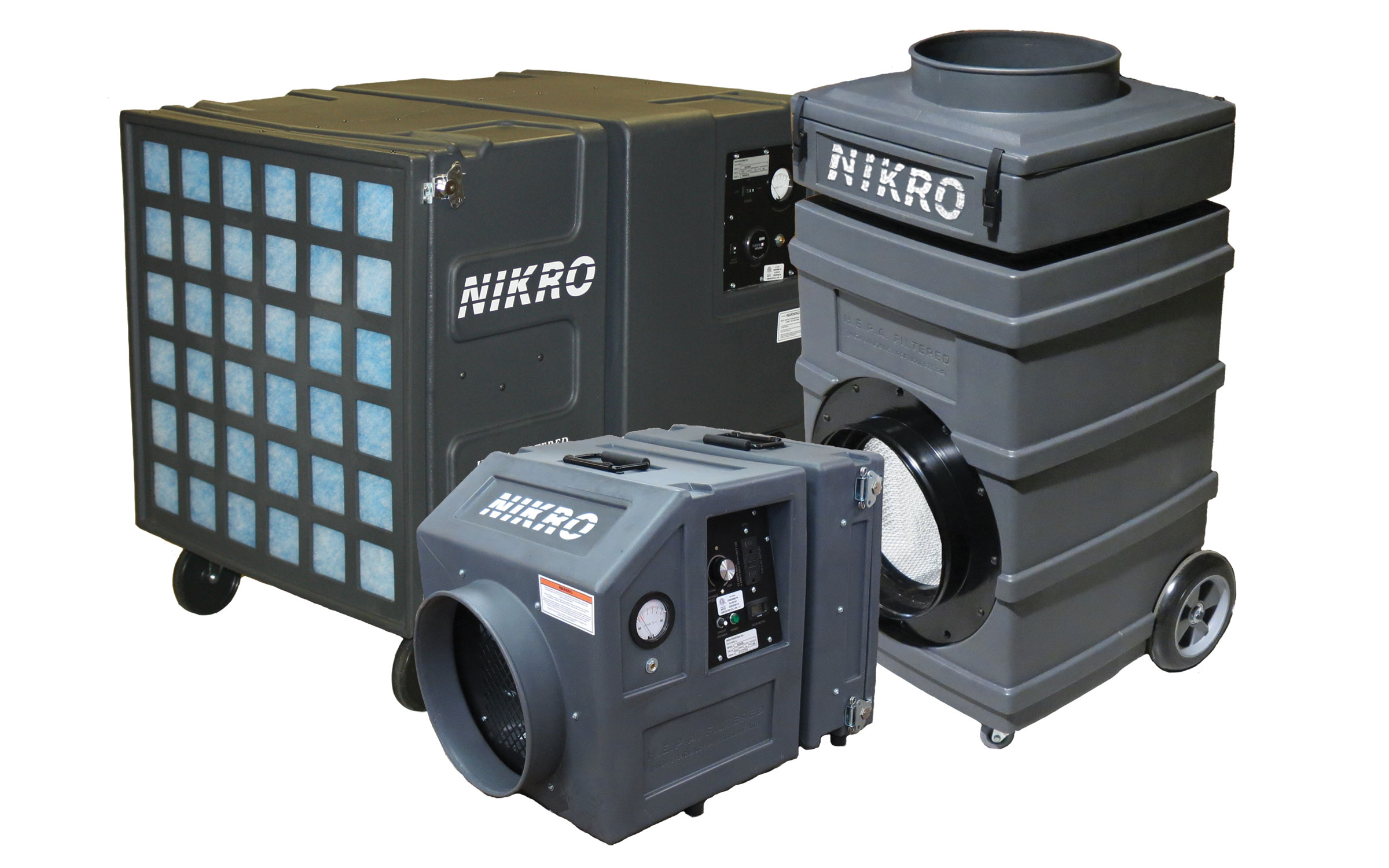
Professional cleaning methods and HEPA filtration are used to remove mold safely. After removal, thorough drying is essential.
During the rainy season, drying plans often include extended dehumidification and ongoing moisture monitoring to overcome high outdoor humidity.
Pompano Mold Inspection and Testing performs mold remediation in North Lauderdale with specific attention to rainy season moisture challenges.
The Role of Moisture Control in Preventing Future Damage
Mold remediation is only effective when moisture control is part of the process. Roof leaks, plumbing issues, and AC drainage problems must be corrected before remediation is considered complete.
Improving ventilation in bathrooms, kitchens, and utility areas helps reduce humidity buildup.
Attic ventilation and insulation play a major role in preventing moisture accumulation after heavy rain.
Monitoring indoor humidity during the rainy season helps maintain conditions where mold struggles to grow.
How Water Damage and Mold Are Connected
Many rainy season mold problems are tied to unresolved water damage. Storm leaks, minor flooding, and repeated condensation leave moisture behind even after surfaces dry.
Without proper water removal and drying, this moisture becomes active again during humid weather.
Combining water damage repair with mold remediation provides stronger protection and reduces the risk of recurring problems.
HVAC Systems and Rainy Season Mold Risk
Air conditioning systems are central to moisture control, but they can also contribute to mold problems if not maintained.
Clogged drain lines, cracked drain pans, and sweating ducts are common during rainy months.
Inspecting and maintaining AC systems helps prevent condensation-related mold growth.
Duct inspection may be necessary if moisture has entered the HVAC system during storms or leaks.
Practical Prevention Tips for the Rainy Season
Inspect roofs, windows, and exterior seals before and during the rainy season.
Address plumbing leaks immediately, no matter how small they seem.
Schedule AC maintenance to ensure drain lines and insulation are in good condition.
After heavy rain, check attics, ceilings, and walls for early signs of moisture.
Avoid repainting or sealing areas until moisture levels are confirmed dry.
Consider periodic professional inspections during the rainy season to catch hidden issues early.
Why Local Experience Matters in North Lauderdale
Rainy season mold behavior varies by location. North Lauderdale homes face specific challenges related to storm patterns, humidity, and construction styles.
Local professionals understand how moisture typically enters homes during storms and where it tends to remain trapped.
Pompano Mold Inspection and Testing brings this local understanding to North Lauderdale, Margate, Coconut Creek, Pompano Beach, and surrounding Broward County areas.
A Practical, Preventive Approach
If your home has experienced mold issues during the rainy season, remediation plays a key role in preventing future damage. Proper mold removal combined with moisture control helps stop the cycle of recurring growth.
Taking a proactive, informed approach during the rainy season is one of the most effective ways to protect North Lauderdale homes from ongoing mold problems.