Step-by-Step Process Explained: Indoor Air Quality Improvement in North Lauderdale During the Rainy Season
Rainy season in North Lauderdale isn’t just about wet sidewalks and nonstop AC running—it’s when indoor air can quietly get worse without you noticing. Humidity climbs, moisture lingers, and homes stay closed up more than usual. That combination can make indoor air feel heavy, trigger musty smells, and encourage mold-friendly conditions in hidden areas. The good news is that improving indoor air quality (IAQ) during the rainy season is very doable—when you approach it step-by-step and focus on moisture control first.
What Indoor Air Quality Problems Look Like During Rainy Season
Indoor air quality is basically the “health” of the air inside your home. During rainy season, the main issue is moisture. When humidity rises, airborne particles like dust, dander, and mold spores can circulate more easily and stick to damp surfaces. The air can start to feel stale, heavier, or “wet,” even if you don’t see visible water.
In North Lauderdale homes, rainy-season IAQ problems often involve:
- Elevated indoor humidity
- Condensation and damp building materials
- Musty odors and stale airflow
- Dust buildup that returns quickly
- HVAC systems struggling to keep up
Why This Happens So Often in North Lauderdale
North Lauderdale homes deal with conditions that make rainy-season IAQ issues more common:
- High outdoor humidity and frequent rain
- Warm temperatures that keep moisture active
- Closed windows (less natural ventilation)
- AC systems running constantly
- Older homes or tight layouts with limited airflow in closets and hallways
If a home already has small leaks, minor ventilation issues, or duct moisture, rainy season tends to expose it fast.
Common Signs Homeowners Notice
Most people don’t start with “I think my indoor air quality is dropping.” They start with clues like:
- Musty smell that returns even after cleaning
- Rooms that feel damp or sticky
- Condensation on windows, vents, or supply registers
- More dust than usual on furniture
- Headaches or irritation that seems worse indoors
- AC running more, but the home still feels humid
These signs usually point to moisture and airflow imbalance—not just “dirty air.”
Hidden or Overlooked Sources That Affect Indoor Air
In rainy season, moisture loves hiding in places you don’t look daily:
- Inside return ducts pulling humid air and dust
- Air handler closets where condensation forms
- Attic ductwork with damp insulation
- Behind furniture against exterior walls
- Under sinks, under flooring edges, and inside cabinets
- Bathroom exhaust fans that don’t vent properly or aren’t used enough
If these areas stay damp, air quality almost always suffers.
Why DIY Indoor Air Fixes Usually Don’t Work Long-Term
People often try quick fixes: air fresheners, stronger filters, a small purifier, or opening windows for “fresh air.” In rainy season, those approaches can backfire.
DIY efforts often fail because:
- They don’t reduce humidity (the real driver)
- Air purifiers can’t stop moisture-fed odors
- Opening windows often brings in more humid air
- Filters help, but they don’t fix wet ducts or a damp air handler
- The source of moisture remains active
Improving IAQ means controlling moisture, cleaning what’s contaminated, and improving airflow in the right places.
Step-by-Step: How Indoor Air Quality Improvement Is Done
Here’s the process that actually works in North Lauderdale homes during rainy season.
Step 1: Start With a Moisture and Ventilation Check
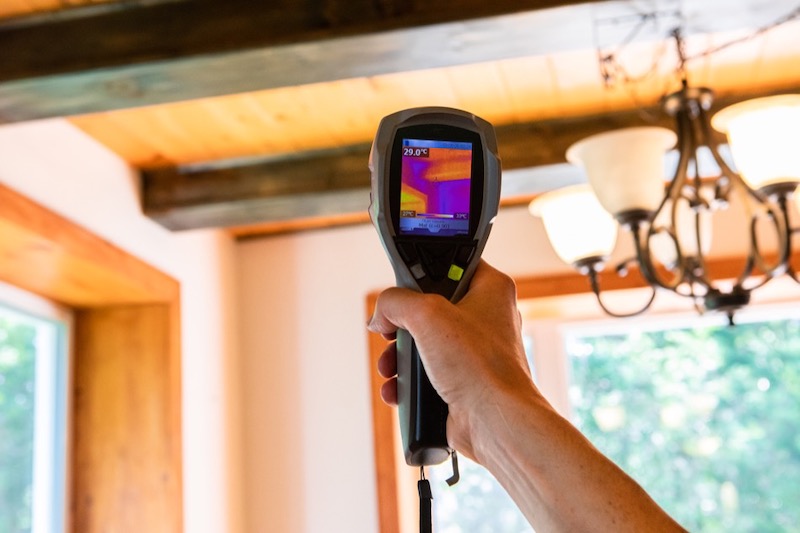
The first step is figuring out whether humidity is being controlled properly. This usually includes:
- Measuring indoor humidity in multiple areas
- Checking bathrooms, laundry areas, and kitchens for ventilation problems
- Inspecting closets and corners where airflow is weak
- Identifying any “damp zones” that stay cooler and wetter
If humidity is consistently high, indoor air quality will always struggle until that’s addressed.
Step 2: Identify Active Moisture Sources
Rainy season increases the chances of hidden moisture from:
- Roof leaks and flashing gaps
- Window seepage during heavy rain
- Plumbing leaks under sinks or behind walls
- AC drain line clogs and drain pan overflow
- Condensation in duct insulation or on metal registers
Moisture detection tools (like moisture meters) help locate problems behind drywall or under flooring edges where you can’t see it yet.
Step 3: Evaluate the HVAC System and Airflow
Your HVAC system is the lungs of the house. If it’s damp, dirty, or restricted, indoor air quality suffers quickly.
A proper evaluation looks at:
- Air handler condition and signs of condensation
- Drain line function and drain pan condition
- Filter fit and filter type
- Return air path and airflow balance
- Signs of moisture inside supply ducts
This step matters because a humid system can spread odors and particles through every room.
Step 4: Address Duct Moisture and Buildup
During rainy season, duct systems can become a problem if they’re:
- Holding dust that sticks to damp surfaces
- Pulling humid air through small gaps
- Developing odors from moisture exposure
- Collecting debris near returns
Professional duct cleaning may be recommended when there are strong odors, visible buildup, or airflow issues—especially if moisture has been present.
Step 5: Improve Humidity Control (Dehumidification + AC Performance)
Humidity control is usually the turning point. The goal is to keep indoor humidity stable so mold and musty odors don’t keep returning.
This often includes:
- Clearing clogged AC drain lines
- Improving airflow so coils dehumidify properly
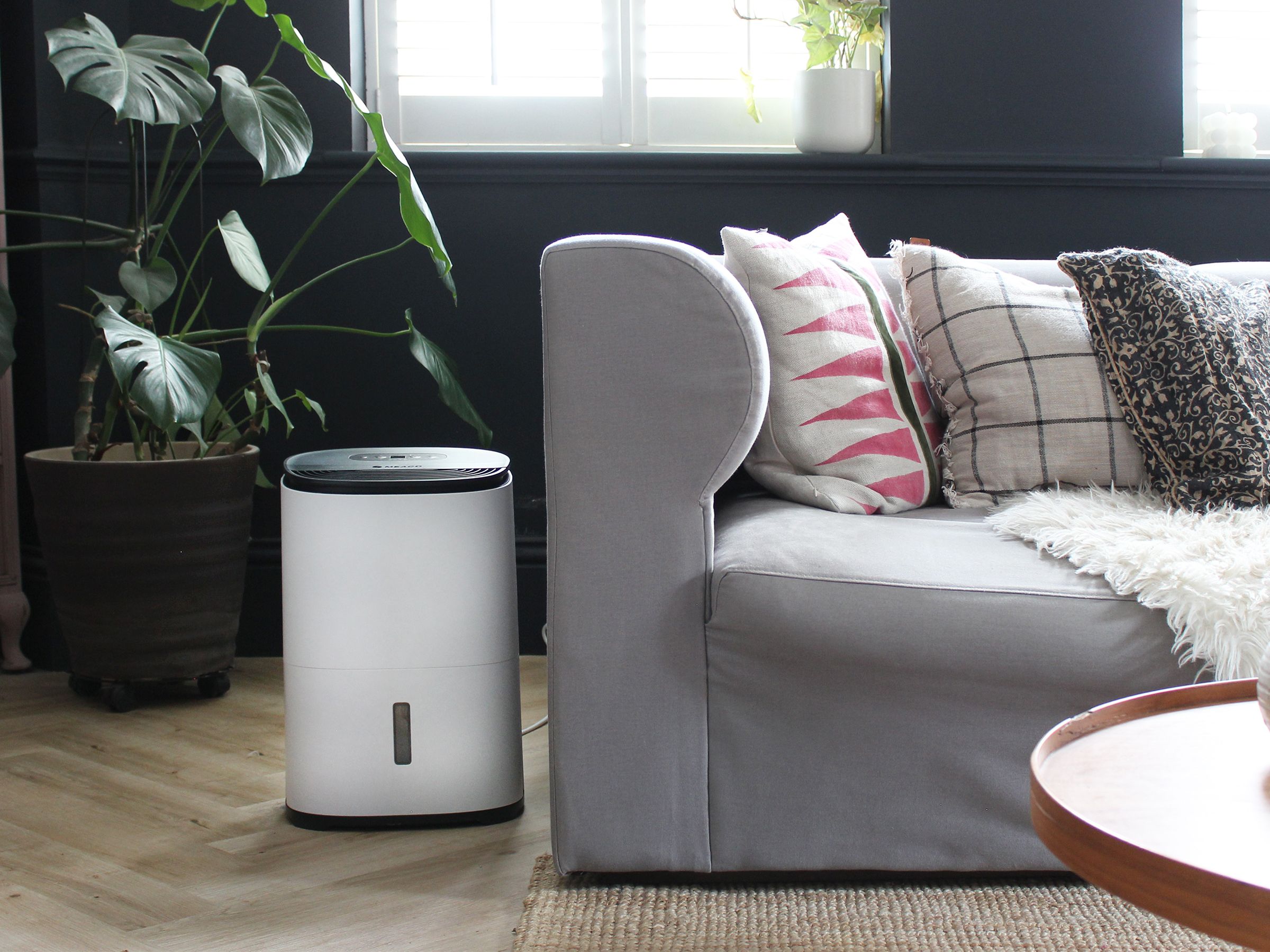
- Using dehumidifiers in persistently damp spaces
- Checking for duct leaks that pull in humid attic air
- Fixing ventilation issues (bath fans, laundry exhaust)
A comfortable indoor humidity range is usually around 40–55% in many homes, but what matters most is consistency and avoiding long-term dampness.
Step 6: Clean and Restore Affected Areas
Once humidity is controlled, you can properly clean what the moisture affected:
- Cleaning HVAC components that have dust or residue
- Sanitizing areas with mild contamination (without spreading it)
- Replacing damaged materials when needed (like wet insulation or swollen drywall)
- Deep cleaning carpets or soft surfaces if they’ve held moisture odors
This is also where carpet cleaning and air duct cleaning can make a noticeable difference—once the moisture source is handled.
Step 7: Optional Testing for Confirmation (When It Makes Sense)
Sometimes testing is helpful—especially when:
- Musty odors persist even after drying
- There’s a history of water damage
- Tenants are reporting ongoing smell or irritation
- A property owner wants documentation
Air or surface testing can provide clarity, but it works best when paired with a proper inspection and moisture mapping.
Pompano Mold Inspection and Testing often supports homeowners in North Lauderdale by identifying moisture sources, evaluating HVAC and duct conditions, and guiding practical steps to improve indoor air quality during rainy season—without relying on guesswork.
Water Damage Repair and Flood-Related Humidity (Rainy Season’s “Bonus Problem”)
During rainy season, small intrusions often happen without dramatic flooding. A little seepage in a corner, water entering under a door, or a leak that goes unnoticed can raise humidity and affect air quality for weeks.
If water damage is suspected, repair may include:
- Drying wet materials fast
- Removing damaged drywall or baseboards
- Fixing the leak source
- Monitoring moisture levels until stable
Ignoring it usually turns into odors, warped materials, and mold-friendly conditions later.
Air Ducts, AC Systems, and Mold Risk
If your HVAC system is damp, you can clean the house all day and still smell “that smell.” Duct moisture and air handler condensation can push musty air through the whole property.
That’s why indoor air quality improvement in rainy season almost always includes:
- AC moisture repair (drain line, pan, airflow)
- Duct inspection and cleaning when needed
- Filter upgrades and proper installation
- Humidity monitoring
Prevention Tips That Work in North Lauderdale
To keep indoor air quality stable through rainy season, focus on moisture and airflow:
- Replace filters regularly and ensure a tight fit
- Run bathroom exhaust fans during and after showers
- Keep the AC drain line maintained and clear
- Use a dehumidifier in problem areas (closets, laundry rooms)
- Check for roof or window seepage after heavy rains
- Don’t ignore musty odors—they’re usually moisture talking
Why Local Experience Matters
Rainy-season moisture in South Florida doesn’t behave like it does in drier climates. North Lauderdale homes deal with persistent humidity, AC dependence, and hidden condensation issues that require a local understanding of:
- Typical building layouts and airflow patterns
- Common AC drain and duct moisture problems
- How quickly materials can stay damp and start smelling
Local experience helps pinpoint the real cause instead of guessing.
Calm, Practical Next Step
If your home feels humid, smells musty, or your AC can’t keep things comfortable during rainy season, don’t just mask it—inspect it. Indoor air quality improvement works best when you control humidity first, fix moisture sources, and then clean and restore the systems that move air through your home. That’s how you prevent future damage and get your indoor air back to feeling clean and normal again.