


Understanding Water Testing in Coconut Creek: Warning Signs and Prevention Tips
Water problems in Coconut Creek homes often start quietly. A small plumbing leak, storm water intrusion, or unnoticed moisture buildup can slowly affect walls, flooring, and indoor air quality. Many property owners only realize something is wrong after stains appear, mold odors develop, or flooring begins to warp.
Water testing helps homeowners and property managers understand whether their property is being affected by hidden moisture or water contamination. In Broward County communities like Coconut Creek, Margate, North Lauderdale, and Deerfield Beach, water-related problems are one of the main causes of mold growth and structural damage.
Understanding how water testing works and knowing the warning signs can help property owners prevent costly repairs and maintain healthier homes.
What Water Testing Actually Means in Homes
Water testing in residential properties focuses on identifying whether moisture or water intrusion is affecting the building structure or indoor environment. It is not only about drinking water quality but also about detecting hidden leaks, contamination, or excess moisture inside walls, flooring, and HVAC systems.
Professional water testing services may include:
• Moisture detection inside walls and floors
• Leak detection from plumbing or roofs
• Water quality sampling when contamination is suspected
• Flood or storm damage assessment
• Testing areas with recurring dampness
The goal is to identify moisture sources before they lead to mold growth or structural damage.
Why Water Problems Are Common in Coconut Creek
Homes throughout Coconut Creek and nearby cities such as Fort Lauderdale, Lighthouse Point, and Lauderdale-by-the-Sea face persistent moisture challenges due to Florida’s climate.
Several factors contribute to frequent water problems:
• High humidity throughout the year
• Heavy rainstorms and seasonal flooding
• Aging plumbing systems
• AC condensation and drainage issues
• Flat roof designs common in South Florida
• Poor ventilation trapping moisture indoors
Even minor water events, like small plumbing leaks or clogged AC drain lines, can lead to hidden moisture problems that grow over time.
Common Warning Signs Homeowners Notice
Water damage does not always appear immediately. Many homeowners first notice subtle signs that moisture is affecting the property.
Common warning signs include:
• Musty odors in certain rooms
• Water stains on ceilings or walls
• Warped or buckling flooring
• Peeling paint or bubbling drywall
• Persistent indoor humidity
• Mold spots around vents or bathrooms
• Condensation forming on windows
These signs often suggest that water intrusion or trapped moisture exists somewhere in the home.
Hidden or Overlooked Sources of Water Intrusion
Some moisture sources remain hidden for months or even years. Routine maintenance inspections often overlook these problem areas.
Common hidden water sources include:
• Slow plumbing leaks behind walls
• Roof leaks after storms
• AC condensate drain blockages
• Window or door frame leaks
• Washing machine hose leaks
• Refrigerator water line leaks
• Poor attic ventilation causing condensation
When these issues go undetected, moisture accumulates and creates ideal conditions for mold growth.
Why DIY Water Detection Often Misses Problems
Homeowners sometimes try to locate leaks or moisture problems themselves, but many water issues remain hidden from view.
DIY efforts usually miss problems because:
• Moisture can exist inside walls or floors
• Leaks may be slow and intermittent
• Mold can grow without visible water damage
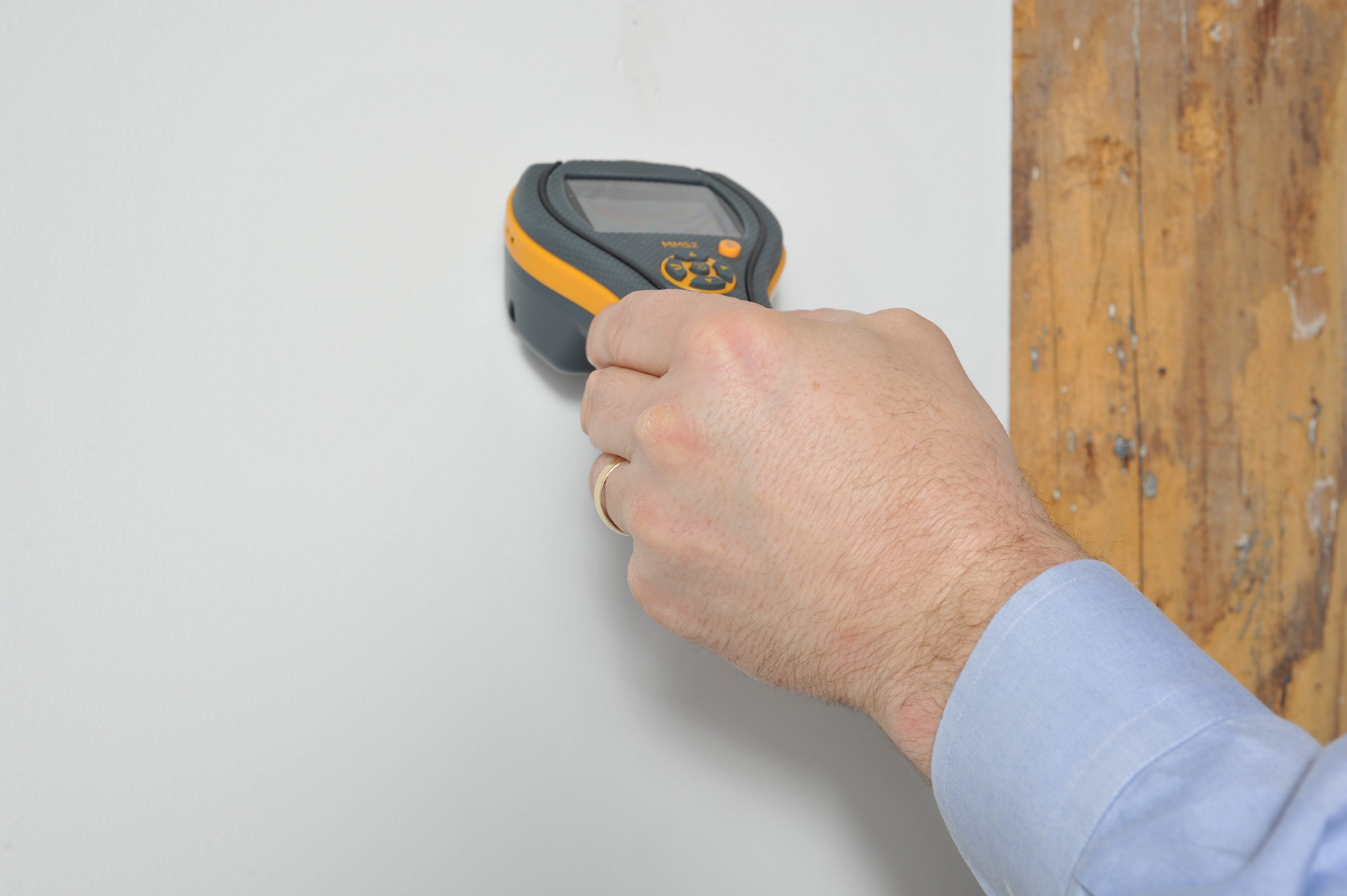
• Specialized moisture meters are needed
Without professional tools, property owners often discover problems only after major damage occurs.
Professional Water Testing and Inspection Explained
A professional inspection focuses on identifying moisture sources and determining how water is affecting the structure.
The inspection typically includes:
- Visual inspection of affected areas
- Moisture meter scanning of walls and floors
- Leak detection checks
- Evaluation of HVAC systems and duct moisture
- Assessment of past flooding or storm damage
Companies such as Pompano Mold Inspection and Testing provide inspections that help homeowners understand moisture conditions and plan proper repairs without unnecessary work.
Professional evaluations help confirm whether water problems are active or simply leftover from past events.
Proper Mold Removal and Remediation After Water Damage
When water damage goes untreated, mold growth often follows. Mold remediation focuses on removing contamination and correcting moisture conditions.
A proper remediation process usually includes:
• Isolating contaminated areas
• Removing damaged materials if necessary
• Cleaning and sanitizing affected spaces
• Structural drying and dehumidification
• Correcting leak or moisture sources
Removing mold without fixing water issues typically leads to recurring problems.
Flood Restoration and Water Damage Repair
Heavy rains and hurricanes can affect homes across Broward County. Even minor flooding can leave moisture trapped in flooring or walls.
Flood restoration services generally involve:
• Water extraction
• Structural drying equipment
• Moisture monitoring
• Flooring and drywall repairs
• Mold prevention treatments
Fast response after flooding prevents long-term structural damage and mold growth.
Air Ducts, AC Systems, and Moisture Issues
Air conditioning systems are another common source of water problems in Coconut Creek homes. When AC systems are not properly maintained, condensation can accumulate in ducts or air handler closets.
Moisture inside ducts can lead to mold growth and poor indoor air quality. Dirty ducts can also spread spores throughout the home.
Regular duct cleaning, proper insulation, and AC maintenance help reduce moisture buildup and improve ventilation.
Prevention Tips for Coconut Creek Homeowners
Preventing water damage is far easier and less expensive than repairing it. Homeowners can reduce risks with simple steps:
• Inspect roofs and plumbing annually
• Keep AC condensate lines clear
• Monitor indoor humidity levels
• Repair leaks quickly
• Ensure bathrooms vent moisture outdoors
• Check appliances for hose leaks
• Inspect homes after heavy storms
Routine inspections help catch small issues before they grow into major repairs.
Why Local Experience Matters
Water problems differ by region, and South Florida homes face unique moisture challenges. Coconut Creek homes experience persistent humidity, storms, and constant AC use, all of which influence how water damage develops.
Professionals with local experience understand common building designs, moisture patterns, and regional risks. Pompano Mold Inspection and Testing works throughout Broward County and understands how local environmental conditions impact residential properties.
Local knowledge helps property owners receive accurate inspections and practical solutions.
A Smart Next Step for Homeowners
If your home shows signs of water damage, persistent humidity, or mold odors, scheduling a professional inspection is a sensible next step. Early testing helps prevent costly repairs and keeps indoor environments comfortable.
Water problems rarely fix themselves, but they are usually manageable when caught early. Taking action now helps Coconut Creek homeowners maintain safer, healthier, and more comfortable homes for years to come.