
Understanding Water Leak Detection in Pompano Beach: Practical Tips That Work
Water leaks in Pompano Beach homes rarely announce themselves right away. Instead of obvious dripping, most leaks start small and remain hidden behind walls, under floors, or above ceilings. In a warm, humid climate, that hidden moisture can spread quickly and cause damage long before stains or odors appear.
Water leak detection is about finding problems early, before they turn into expensive repairs. Understanding how leaks behave in Pompano Beach homes and which practical steps actually work can help homeowners protect their property and avoid repeat damage.
Why Water Leaks Are So Common in Pompano Beach
Pompano Beach homes deal with constant moisture pressure. High humidity slows evaporation, allowing leaks to stay active longer once they begin.
Heavy rain and seasonal storms increase the risk of roof and exterior wall leaks. Wind-driven rain can force water into small openings that normally stay dry.
Air conditioning systems run most of the year. AC drain line clogs, cracked drain pans, and duct condensation are some of the most common sources of indoor water leaks.
Older plumbing systems, slab foundations, and frequent temperature changes also contribute to hidden leaks developing over time.
Common Types of Water Leaks Homeowners Face
Plumbing leaks are among the most frequent. These include slow leaks under sinks, inside walls, behind showers, and beneath slab foundations.
Roof leaks often appear after storms but may not show up inside the home right away. Water can travel along framing before becoming visible.
AC-related leaks are extremely common in South Florida. Condensation overflow can drip into ceilings, walls, and floors without obvious warning.
Appliance leaks from washing machines, dishwashers, and water heaters can also remain hidden until flooring or cabinets are damaged.
Groundwater intrusion after heavy rain can affect slab-on-grade homes, pushing moisture up through flooring.
Why Many Water Leaks Go Undetected
Water does not always show up where it starts. It often travels through insulation, framing, or pipes and appears in a different location.
High indoor humidity can mask leaks by keeping materials damp all the time, making it harder to notice changes.
Leaks inside walls or ceilings may only release small amounts of water, spreading damage slowly and quietly.
By the time stains or odors appear, the leak may have been active for weeks or months.
Early Warning Signs You Should Not Ignore
A sudden increase in your water bill without a change in usage is one of the clearest signs of a hidden leak.
Musty or damp odors, especially in closets, bathrooms, or specific rooms, often point to trapped moisture.
Discoloration on ceilings or walls, even faint yellow or brown staining, can indicate water intrusion.
Paint that bubbles, peels, or cracks without obvious cause often signals moisture behind surfaces.
Warped flooring, soft drywall, or loose baseboards suggest prolonged moisture exposure.
Water near air handlers or vents may indicate AC-related leaks.
Why Visual Checks Are Not Enough
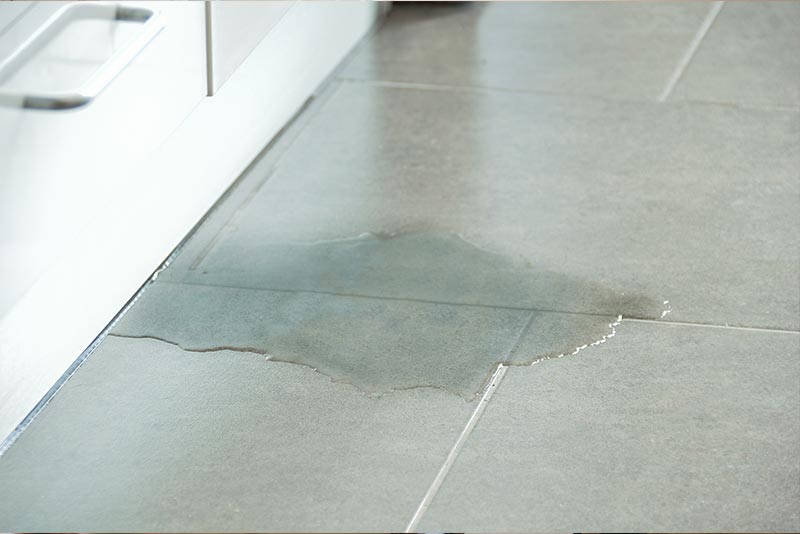
Looking for stains or drips only reveals part of the problem. Many serious leaks cause damage long before anything becomes visible.
Walls and floors can look dry while moisture remains trapped inside.
Without proper tools, it is easy to miss leaks or assume a problem has been resolved when it has not.
Effective water leak detection relies on confirming moisture levels inside materials, not just surface appearance.
How Professional Water Leak Detection Works
Leak detection starts with understanding the home’s layout, plumbing paths, HVAC setup, and recent weather or water events.
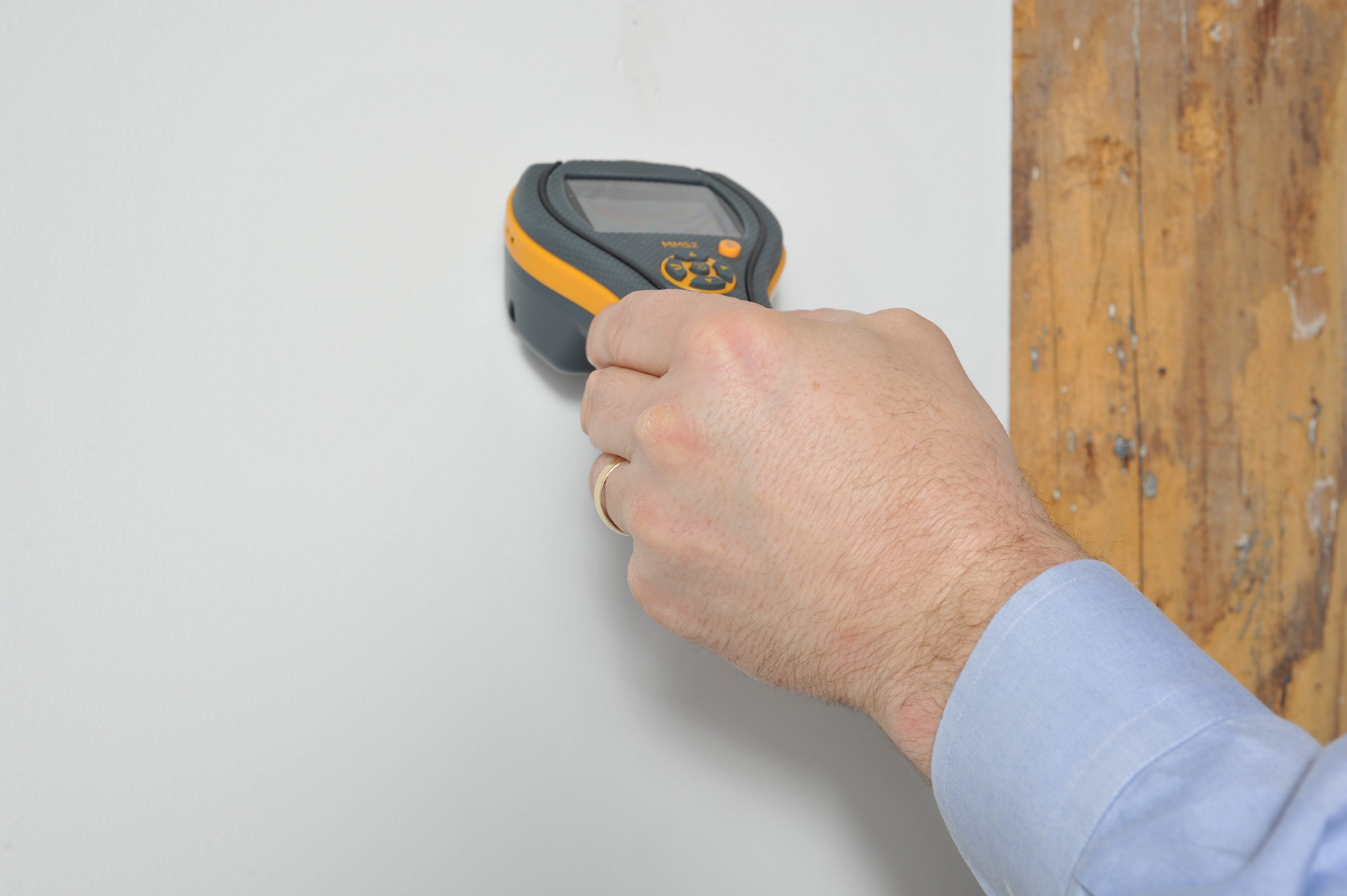
Moisture meters are used to measure water content inside drywall, ceilings, floors, and insulation. Elevated readings help pinpoint affected areas.
Thermal imaging may be used to identify temperature differences caused by moisture evaporation, helping locate hidden leaks behind walls or ceilings.
In plumbing-related cases, systems may be evaluated to isolate active leaks and confirm their source.
The goal is to locate leaks accurately without unnecessary demolition.
Pompano Mold Inspection and Testing provides water leak detection services in Pompano Beach with a focus on finding hidden moisture early and preventing repeat damage.
Water Leak Detection After Storms
After heavy rain or storms, homes may appear dry while moisture remains hidden inside walls or attics.
Leak detection after storms helps confirm whether water entered through the roof, windows, or exterior walls.
This step is especially important before repairs or repainting, as sealing moisture inside structures often leads to future problems.
Early detection after storms reduces long-term repair costs.
Water Leak Detection in Homes With Slab Foundations
Many Pompano Beach homes are built on slab foundations, which can conceal leaks beneath flooring.
Slab leaks often show up as warm spots on floors, unexplained moisture, or increased humidity in certain rooms.
Because these leaks are hidden, moisture detection tools are essential for identifying affected areas early.
Detecting slab-related leaks early helps prevent widespread flooring and structural damage.
How Leak Detection Helps Prevent Mold and Odors
Water leaks create the conditions mold needs to grow. Hidden moisture inside walls, floors, and insulation supports mold development.
By identifying and stopping leaks early, homeowners reduce the risk of mold growth and persistent odors.
Leak detection is one of the most effective preventive steps against moisture-related problems in Pompano Beach homes.
Practical Leak Prevention Tips That Work
Check water bills regularly and investigate unexplained increases.
Inspect under sinks, around appliances, and near HVAC equipment periodically.
Schedule routine AC maintenance to prevent drain line and condensation issues.
After storms, inspect ceilings, walls, and attics for subtle changes.
Avoid repainting or sealing areas until moisture levels are confirmed dry.
Address small leaks immediately rather than waiting for visible damage.
Consider periodic professional leak detection for older homes or properties with a history of water issues.
Why Local Experience Matters in Pompano Beach
Water leak behavior varies by location. Pompano Beach homes face specific challenges related to coastal humidity, storm patterns, and construction styles.
Local professionals understand where leaks typically occur and how moisture spreads in South Florida homes.
This local knowledge leads to faster detection and more effective long-term solutions.
A Smart Approach for Homeowners
Water leak detection is not just a reaction to visible damage. It is a proactive way to protect your home from hidden moisture and costly repairs.
For Pompano Beach homeowners, practical leak detection combined with early action is one of the most reliable ways to prevent long-term damage and maintain a healthy, stable home environment.