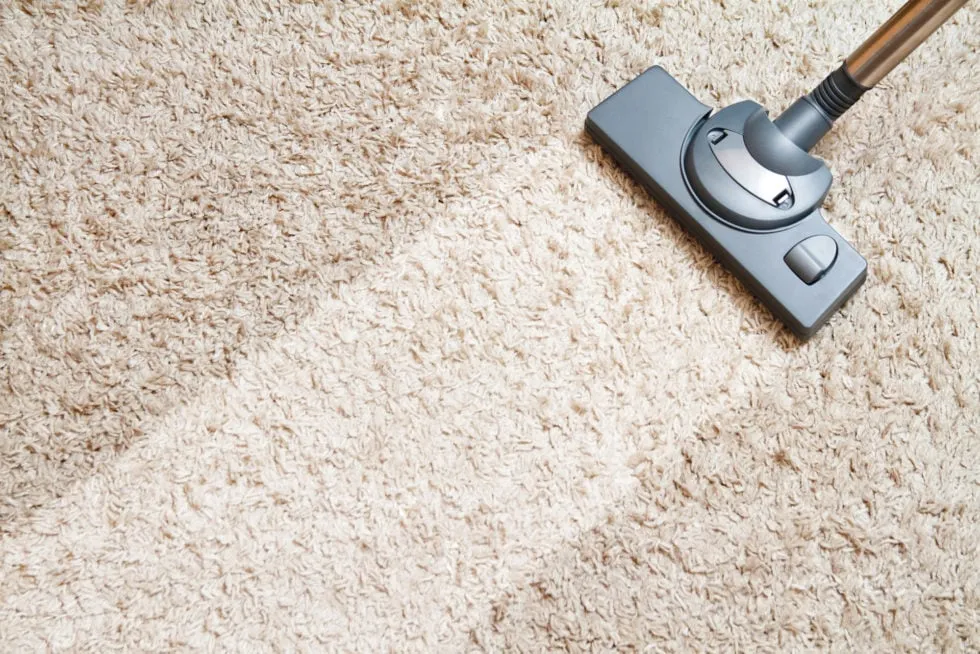
Understanding Carpet Cleaning After Water Damage in Lauderdale-by-the-Sea: Early Signs You Should Not Ignore
Water damage is a common concern for homeowners in Lauderdale-by-the-Sea, especially after heavy rain, plumbing leaks, or storm-related flooding. Carpets are particularly vulnerable because they absorb water quickly, and moisture can become trapped in carpet fibers, padding, and subfloors. If not addressed promptly, damp carpeting can lead to odors, material deterioration, and mold growth. Understanding the early signs of water-damaged carpets and how professional cleaning works helps homeowners protect their homes and restore indoor conditions effectively.
How Water Damage Affects Carpets
Carpet fibers and padding are designed to provide comfort and insulation, but they can also absorb moisture easily. When water enters carpeting, it often spreads beyond the visible wet area.
Water damage in carpets can cause:
- Moisture trapped in padding and subflooring
- Persistent damp odors
- Discoloration or staining
- Bacterial growth in contaminated water situations
- Mold growth if drying is delayed
Because humidity in Lauderdale-by-the-Sea remains high, wet carpets may take longer to dry naturally.
Why Homes in Lauderdale-by-the-Sea Are Vulnerable
Several local conditions increase the risk of carpet damage from water:
- Coastal humidity that slows drying
- Heavy seasonal rain and storms
- Plumbing leaks in kitchens or bathrooms
- Air-conditioning condensation
- Flooding or water intrusion after storms
These factors allow moisture to remain trapped in carpets and flooring longer than in drier climates.
Early Signs You Should Not Ignore
Water-damaged carpets often show warning signs that homeowners should address quickly.
Common early signs include:
- A musty or damp odor
- Damp or cool spots on carpeting
- Discoloration or dark patches
- Wrinkling or rippling in carpet fibers
- Increased indoor humidity or condensation
These signs often indicate moisture beneath the carpet surface that should be inspected.
Hidden Areas Where Moisture Often Remains
Water frequently spreads beneath carpets and into surrounding materials. Inspectors in Lauderdale-by-the-Sea often find moisture in:
- Carpet padding and subflooring
- Baseboards and lower drywall
- Closet flooring
- Areas near plumbing fixtures
- Sections of carpet near exterior walls or windows
Because these areas are concealed, moisture may remain present long after the visible surface appears dry.
Why Carpet Cleaning After Water Damage Matters
Carpet cleaning after water damage is essential for restoring indoor conditions and preventing long-term problems. Cleaning and drying help:
- Remove moisture trapped in fibers and padding
- Reduce musty odors
- Prevent mold growth
- Restore carpet appearance and texture
- Improve indoor air quality
Prompt cleaning and drying often prevent the need for more extensive repairs.
Why DIY Drying Is Often Not Enough
Some homeowners attempt to dry carpets using fans or household equipment. While this may dry the surface, moisture often remains beneath the carpet.
DIY drying may be ineffective because:
- Padding and subfloors remain damp
- Humidity slows evaporation
- Moisture levels are not monitored
- Odors may return as moisture resurfaces
Professional equipment helps ensure carpets are thoroughly cleaned and dried.
Understanding the Carpet Cleaning Process After Water Damage
Professional carpet cleaning after water damage typically follows a structured process.
Step 1: Inspection and Moisture Detection
Technicians determine how far moisture has spread and whether padding or subflooring is affected.
Step 2: Water Extraction
Powerful extraction equipment removes as much water as possible from carpet fibers and padding.
Step 3: Cleaning and Sanitizing
Carpet surfaces are cleaned to remove dirt, debris, and residues that may have entered with water.
Step 4: Structural Drying
Air movers and dehumidifiers are used to dry carpets, padding, and surrounding materials.
Step 5: Monitoring Moisture Levels
Moisture levels are monitored to ensure materials are fully dry before the process is completed.
Pompano Mold Inspection and Testing often evaluates moisture conditions and water-damaged flooring in Lauderdale-by-the-Sea and nearby Broward County communities, helping homeowners determine whether cleaning, drying, or further restoration is needed.
The Connection Between Wet Carpets and Mold
Wet carpets can create conditions where mold begins to grow, especially in humid climates. Mold may develop in:
- Carpet padding
- Subflooring
- Baseboards and lower drywall
- Areas beneath furniture
If mold is detected, remediation may include removing affected materials, cleaning structural surfaces, and thoroughly drying the area.
Water Damage Repair and Structural Drying
Carpet damage often indicates moisture affecting nearby materials. Restoration may include:
- Drying subfloors and framing
- Repairing damaged drywall or baseboards
- Using dehumidifiers to stabilize humidity
- Monitoring moisture levels until drying is complete
Proper drying helps prevent mold growth and protects structural components.
HVAC Systems and Indoor Moisture
High indoor humidity can slow carpet drying and contribute to odor problems. HVAC systems play an important role in maintaining balanced indoor conditions.
Moisture-related HVAC issues may include:
- Clogged condensate drain lines
- Dirty air filters restricting airflow
- High humidity circulating through ducts
- Condensation near air handlers
Routine HVAC maintenance helps maintain proper airflow and humidity levels.
Prevention Tips That Help Protect Carpets
Homeowners in Lauderdale-by-the-Sea can reduce the risk of carpet damage by following practical steps:
Address Leaks Quickly
Repair plumbing, roof, or appliance leaks as soon as they are discovered.
Inspect After Storms
Check carpets and flooring for damp areas after heavy rain.
Control Indoor Humidity
Using dehumidifiers helps carpets dry faster and prevents moisture buildup.
Maintain HVAC Systems
Routine servicing helps reduce humidity and condensation.
Use Proper Ventilation
Fans and ventilation help reduce moisture in kitchens, bathrooms, and laundry areas.
These steps significantly reduce the likelihood of water damage affecting carpets.
Why Routine Inspections Matter
Periodic inspections help identify moisture problems before carpets or flooring become damaged. Moisture detection equipment can locate damp areas that are not visible, allowing homeowners to address issues early.
Routine inspections are especially helpful:
- After plumbing leaks
- After heavy rain or storms
- When musty odors appear
- During humid summer months
Early detection often prevents costly repairs or carpet replacement.
Why Local Experience Matters
Carpet cleaning and water damage restoration in coastal South Florida require an understanding of local climate and construction conditions. Professionals familiar with Lauderdale-by-the-Sea understand:
- How humidity affects drying times
- Typical flooring and subfloor materials in Broward County homes
- Common moisture patterns after storms
This local knowledge helps cleaning and restoration be more effective.
A Practical Next Step for Homeowners
Water-damaged carpets should never be ignored, even when dampness appears minor. Early signs such as odors, discoloration, or cool spots often indicate hidden moisture beneath the surface. Carpet cleaning combined with proper drying helps restore indoor conditions and prevent mold growth.
With prompt action, routine inspections, and attention to humidity levels, homeowners in Lauderdale-by-the-Sea can keep their homes clean, comfortable, and protected after water damage.