
Water Testing Solutions for Homes in Lighthouse Point: Warning Signs and Prevention Tips
Homes in Lighthouse Point face unique water-related challenges due to their coastal location, high humidity, and frequent exposure to storms. Water problems are not always dramatic or obvious. In many cases, issues develop quietly through plumbing leaks, groundwater intrusion, or moisture buildup that goes unnoticed for long periods. Water testing helps homeowners understand what is happening inside their homes and whether water exposure has created risks that need attention.
For Lighthouse Point homeowners, water testing is not just a response to visible damage. It is a practical way to confirm concerns, guide repairs, and prevent future problems before they escalate.
Why Water Issues Are Common in Lighthouse Point Homes
Living near the coast means constant exposure to moisture. High humidity, salt air, and frequent rain all place stress on plumbing systems and building materials. Even well-maintained homes can experience water issues over time.
Plumbing leaks under sinks, behind walls, or beneath slab foundations are common. Stormwater can also raise groundwater levels, allowing moisture to seep into lower parts of the home. Wind-driven rain may enter through small gaps around windows, doors, or exterior walls.
Nearby areas such as Pompano Beach, Lauderdale-by-the-Sea, and Fort Lauderdale experience similar conditions, but Lighthouse Point’s proximity to waterways often increases moisture pressure around homes.
What Water Testing Really Means for Homeowners
Water testing is often misunderstood. It is not limited to checking drinking water quality. In the context of residential homes, water testing helps evaluate the impact of water intrusion and identify potential contamination concerns after leaks, flooding, or prolonged moisture exposure.
Testing may be used to assess water from plumbing systems, confirm whether affected areas were exposed to contaminated water, or support decisions during water damage repair. When combined with inspection and moisture detection, water testing provides clarity that visual checks alone cannot offer.
Water testing is most effective when it is targeted based on real conditions inside the home.
Warning Signs That Water Testing May Be Needed
Many water-related problems provide early warning signs that homeowners should not ignore. A persistent musty or damp odor is often the first indicator that water has been present longer than it should be.
Discoloration on walls or ceilings, peeling paint, bubbling drywall, or warped baseboards can also signal moisture issues. Cabinets under sinks may feel soft or show swelling, even if no active leak is visible.
Increased indoor humidity, condensation on windows or vents, or rooms feeling damp despite normal AC operation are additional signs that water exposure may be affecting the home.
Hidden Water Damage Homeowners Often Miss
Some of the most serious water problems remain hidden. Water can travel behind drywall, under flooring, and into insulation without leaving visible surface damage.
In slab foundation homes common in Lighthouse Point, moisture can wick upward from beneath the concrete and affect flooring and lower walls. Bathrooms, kitchens, and laundry rooms are especially vulnerable due to plumbing concentration.
Without proper evaluation, these hidden areas may remain damp long after leaks are repaired, leading to recurring damage and odors.
Why Visual Inspection Alone Is Not Enough
After a plumbing repair or storm event, many homeowners rely on visual inspection to determine whether the problem is resolved. While this may confirm that active leaks have stopped, it does not reveal moisture trapped inside materials.
Walls, floors, and cabinets can appear dry while still holding moisture inside. This lingering dampness often causes problems weeks or months later, long after repairs are completed.
Water testing and moisture detection provide objective information that visual inspection cannot, helping ensure repairs are complete rather than cosmetic.
How Water Testing Supports Better Repair Decisions
One of the main benefits of water testing is confidence. Testing helps confirm whether water exposure involved clean water or potentially contaminated sources, which affects how repairs should be handled.
It also supports decisions about which materials can be safely dried and which should be removed. Installing new drywall, flooring, or cabinetry over damp materials traps moisture and often leads to repeated damage.
Water testing, when used appropriately, helps ensure repairs are based on facts rather than assumptions.
Connection Between Water Issues and Mold Risk
Water problems and mold growth are closely connected in South Florida homes. Mold requires moisture to grow, and hidden water exposure provides ideal conditions.
Water testing alone does not identify mold, but it supports a broader evaluation by clarifying the extent and nature of water exposure. When combined with moisture detection and mold inspection, testing helps determine whether mold-related risks should be addressed.
In Lighthouse Point’s humid environment, early evaluation significantly reduces the likelihood of mold problems developing later.
Water Testing and Water Damage Repair
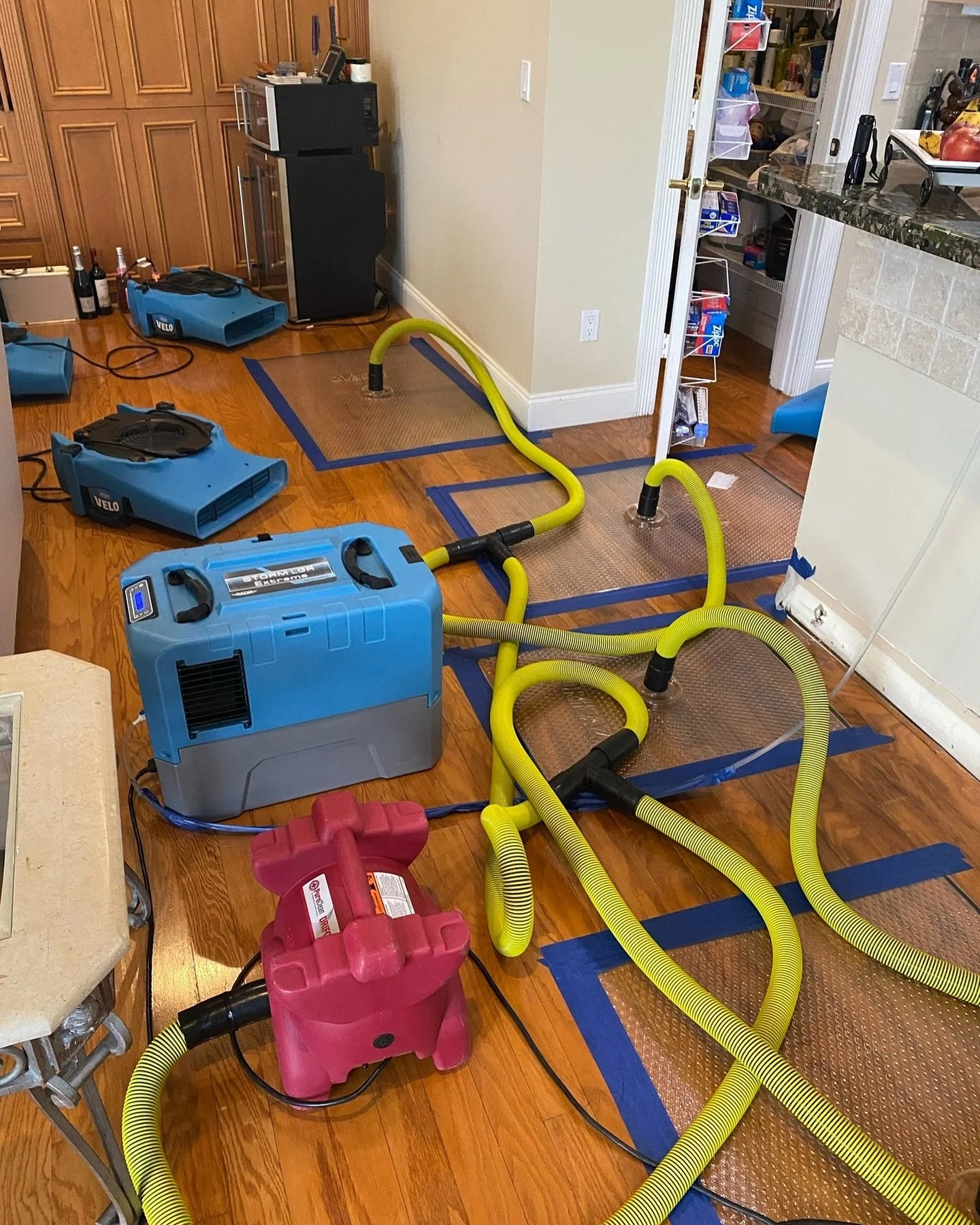
Water testing often works alongside water damage repair. After leaks or storm-related water intrusion, water removal and drying are typically required.
Testing helps determine whether additional cleaning, material removal, or specialized handling is necessary, especially when water sources are uncertain. It also helps confirm that repairs have addressed the full scope of the problem.
Together, these steps provide a more complete and reliable recovery process.
Prevention Tips for Reducing Water Problems
Prevention starts with regular inspection and maintenance. Checking under sinks, around toilets, and near water heaters helps catch small leaks early. Monitoring cabinet bases and flooring in high-risk areas provides early warning of moisture issues.
Maintaining AC systems and clearing condensate drain lines reduces the risk of moisture-related water damage. Sealing exterior openings, maintaining roofs, and improving drainage help limit storm-related water intrusion.
After heavy rain or plumbing repairs, moisture checks and targeted testing help confirm that problems have not spread unnoticed.
Importance of Moisture Control in Coastal Homes
Managing indoor humidity is a key part of prevention. Even without active leaks, high humidity allows materials to absorb moisture over time.
Proper ventilation in bathrooms, kitchens, and laundry areas helps remove excess moisture. Monitoring indoor humidity levels provides insight into whether moisture control measures are working.
In coastal homes, moisture control is one of the most effective ways to prevent water-related damage before it starts.
Why Local Experience Matters
Water testing in Lighthouse Point requires an understanding of coastal conditions. Florida’s humidity, storm patterns, plumbing layouts, and construction styles all influence how water behaves inside homes. Local experience helps interpret testing results accurately and apply solutions that fit the environment.
Pompano Mold Inspection and Testing brings that local knowledge to water testing, moisture detection, mold inspection, and water damage services throughout Lighthouse Point, Pompano Beach, Lauderdale-by-the-Sea, Fort Lauderdale, Coconut Creek, Deerfield Beach, Margate, North Lauderdale, and surrounding Broward County communities.
A Practical Approach to Long-Term Protection
Water issues do not always announce themselves clearly. Water testing helps Lighthouse Point homeowners understand what is happening beneath the surface and take informed action. By recognizing warning signs early, using testing strategically, and focusing on prevention, homeowners can reduce the risk of hidden damage, protect building materials, and maintain their homes more confidently in a challenging coastal environment.