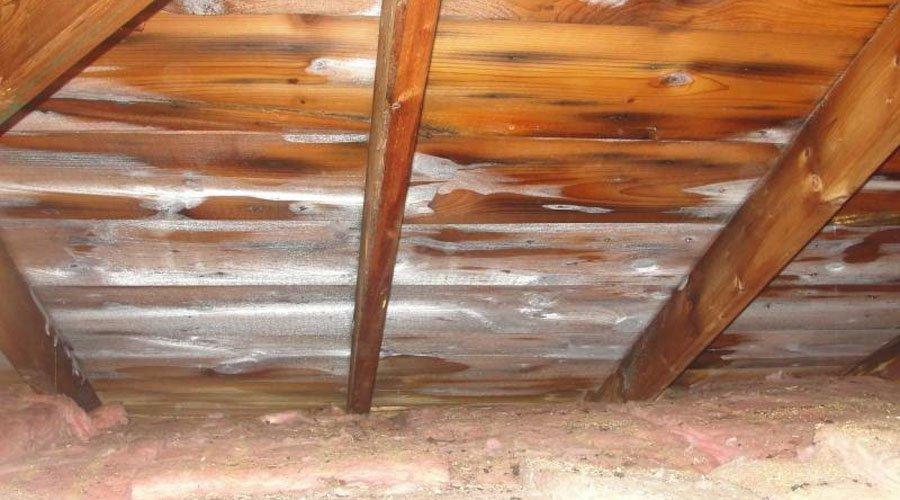
Mold Inspection in Pompano Beach: Professional Insights
Mold is a common concern for homeowners in Pompano Beach. The combination of high humidity, heavy seasonal rain, and year-round air-conditioning creates conditions where moisture can accumulate in homes, sometimes without obvious signs. Mold often develops quietly, hidden behind walls, inside ceilings, or within duct systems. By the time visible growth appears, moisture may have been present for weeks or even months.
Professional mold inspection helps homeowners detect problems early, locate moisture sources, and prevent more extensive damage. Understanding how mold inspection works and why it matters is an important step in maintaining a safe and well-maintained home.
What Mold Inspection Really Means
Mold inspection is a detailed evaluation of a property designed to identify moisture issues and areas where mold may be present. It is not limited to looking for visible mold on walls or ceilings. A thorough inspection examines areas where moisture commonly accumulates and where mold often grows out of sight.
A professional mold inspection typically focuses on:
- Identifying sources of moisture
- Inspecting attics, ceilings, and wall cavities
- Checking HVAC systems and ductwork
- Measuring humidity levels
- Detecting hidden damp areas
This process helps homeowners understand not only whether mold is present, but also why it developed.
Why Mold Is So Common in Pompano Beach
Pompano Beach’s climate plays a major role in mold development. Warm temperatures and high humidity create an environment where moisture evaporates slowly, especially in enclosed areas such as attics or wall cavities.
Several local conditions contribute to mold problems:
- Frequent rain and seasonal storms
- High indoor humidity levels
- AC condensation and drainage issues
- Roof leaks and flashing failures
- Poor ventilation in attics or bathrooms
Homes in nearby communities such as Lighthouse Point, Deerfield Beach, Margate, and Coconut Creek often experience similar conditions because of the shared coastal environment.
Common Signs Homeowners Notice
Mold problems often begin with subtle warning signs rather than obvious growth. Many homeowners first notice changes in smell or indoor conditions before seeing mold.
Typical warning signs include:
- A musty or damp odor
- Dark spots on walls or ceilings
- Peeling paint or bubbling drywall
- Increased indoor humidity
- Stains near vents or ceiling corners
These signs often indicate moisture problems that should be investigated promptly.
Hidden Mold and Moisture Sources
One of the biggest challenges with mold is that it frequently develops in hidden areas. Water may travel along beams, pipes, or insulation and settle in areas that are not easily visible.
Common hidden locations include:
- Behind drywall
- Under flooring
- Inside attic insulation
- Around window frames
- Inside air ducts
Because mold can grow in these concealed spaces, a professional inspection is often necessary to locate the full extent of the issue.
Why DIY Mold Checks Often Miss Problems
Homeowners sometimes attempt to check for mold visually, but this approach rarely identifies hidden moisture or early mold growth. Surfaces may appear clean while moisture remains trapped inside materials.
Professional inspections use tools such as moisture meters and infrared imaging to locate damp areas that cannot be seen. These methods allow inspectors to detect problems early, before mold spreads.
What Happens During a Professional Mold Inspection
A professional mold inspection follows a structured process designed to evaluate all high-risk areas of a home.
The process often includes:
- Visual Examination
Inspectors check ceilings, walls, floors, and attic spaces for signs of moisture or mold. - Moisture Detection
Specialized meters are used to identify damp areas inside building materials. - Humidity Evaluation
Indoor humidity levels are measured to determine whether conditions support mold growth. - HVAC and Duct Inspection
Air ducts and AC systems are examined for condensation or contamination.
Professionals familiar with Broward County homes understand how humidity and coastal weather patterns influence moisture behavior. Experienced local specialists, including teams such as Pompano Mold Inspection and Testing, often recognize recurring patterns of moisture damage that help pinpoint issues quickly.
How Mold Inspection Helps Prevent Major Damage
Early detection is one of the most important benefits of mold inspection. Identifying moisture problems early helps prevent structural damage and reduces the need for extensive remediation later.
Mold inspection helps homeowners:
- Locate hidden leaks or condensation
- Identify ventilation problems
- Detect mold growth in early stages
- Protect drywall, insulation, and wood framing
- Maintain indoor air quality
Addressing these issues early often prevents more costly repairs.
Mold Removal and Remediation After Inspection
If mold is discovered during an inspection, removal and remediation may be necessary. The remediation process focuses on safely removing contaminated materials, cleaning affected surfaces, and correcting the moisture source.
Typical remediation steps include:
- Containing affected areas
- Removing damaged materials when necessary
- Cleaning and drying surfaces
- Correcting moisture or ventilation problems
This approach helps prevent mold from returning.
Water Damage and Mold Growth
Mold growth is often linked to past or ongoing water damage. Roof leaks, plumbing issues, or slow condensation problems can introduce moisture that remains trapped inside building materials.
Water damage repair may involve:
- Structural drying
- Insulation replacement
- Ceiling or drywall repair
- Cleaning and odor removal
Addressing the moisture source is essential to preventing mold recurrence.
Air Ducts and Indoor Air Quality
Air ducts play a major role in indoor air quality because they circulate air throughout the home. When ducts become damp or contaminated, they can contribute to odors or reduced airflow.
Duct inspection and cleaning may be recommended when moisture affects HVAC systems, helping improve airflow and indoor comfort.
How Homeowners Can Reduce Mold Risk
Preventive maintenance is one of the most effective ways to reduce mold problems in Pompano Beach homes.
Homeowners can help by:
- Inspecting roofs regularly
- Maintaining proper attic ventilation
- Replacing AC filters routinely
- Monitoring indoor humidity levels
- Repairing leaks promptly
- Scheduling periodic inspections
Routine maintenance helps identify small problems before they become serious.
Why Local Experience Matters
Mold inspection in South Florida requires understanding local climate conditions, construction methods, and moisture patterns. Homes in Pompano Beach experience higher humidity and more frequent storms than homes in many other regions.
Professionals with local experience understand:
- How humidity affects drying times
- Where leaks commonly occur in local homes
- How attic ventilation influences moisture levels
- How seasonal storms increase mold risk
This knowledge helps ensure inspections are thorough and accurate.
A Practical Approach for Homeowners
Mold problems rarely resolve on their own, but early inspection and proper moisture control can prevent major damage. Recognizing warning signs, addressing leaks quickly, and maintaining ventilation help protect both the structure of the home and indoor comfort.
Homeowners who schedule inspections and respond promptly to moisture problems reduce the risk of mold growth and long-term structural damage. When professional evaluation is needed, experienced local specialists such as Pompano Mold Inspection and Testing can help identify hidden moisture issues and recommend practical solutions tailored to homes in Pompano Beach and surrounding Broward County communities.
Images