AC Moisture Repair in Lighthouse Point: A Complete Homeowner Guide
Air conditioning systems are essential in Lighthouse Point homes. With long, humid summers and warm temperatures most of the year, AC units run frequently to keep indoor spaces comfortable. While these systems are designed to remove humidity, they also produce condensation as part of normal operation. When something goes wrong, that condensation can lead to moisture buildup, water damage, and conditions that allow mold to develop.
Understanding how AC moisture problems occur, how repairs are handled, and what steps homeowners can take to prevent them helps protect both the structure of a home and indoor air quality.
What AC Moisture Problems Really Are
Air conditioning systems cool air by removing heat and humidity. As warm air passes over the evaporator coil, moisture condenses into water and drains through a condensate line. When the system is functioning correctly, this process is controlled and harmless.
Moisture problems occur when water cannot drain properly or when condensation forms in places it shouldn’t. In Lighthouse Point homes, this often affects:
- Air handler closets
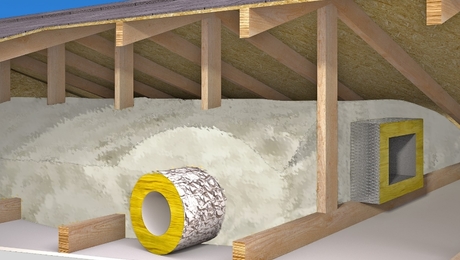
- Ductwork in attic spaces
- Ceiling areas near supply vents
- Walls near AC lines
- Flooring around indoor units
If moisture remains trapped, it can damage drywall, insulation, and wood framing.
Why AC Moisture Issues Are Common in Lighthouse Point
Lighthouse Point and nearby communities such as Pompano Beach, Deerfield Beach, Margate, Coconut Creek, North Lauderdale, Lauderdale-by-the-Sea, and Fort Lauderdale share environmental conditions that make AC moisture problems more likely.
Several factors contribute to this issue:
- High humidity levels for much of the year
- Continuous AC operation
- Warm attic temperatures causing duct condensation
- Salt air exposure near coastal areas
- Aging HVAC components
Because AC systems run frequently, even minor maintenance issues can lead to noticeable moisture problems over time.
Early Signs of AC Moisture Problems
Moisture issues often develop gradually. Homeowners may first notice small changes that indicate a developing problem.
Common early warning signs include:
- Musty odors near vents or closets
- Water stains on ceilings or walls
- Condensation around supply vents
- Increased indoor humidity
- Damp carpet or flooring near the air handler
- Rust or corrosion on AC components
These signs suggest moisture may be accumulating inside the system or nearby materials.
Hidden Sources of AC-Related Moisture
Many moisture problems are not immediately visible. Inspections in Lighthouse Point homes often reveal moisture in:
- Clogged condensate drain lines
- Overflowing drip pans
- Insulated ducts in humid attics
- Wall cavities near refrigerant lines
- Air handler closets with poor ventilation
Because these areas are often enclosed, moisture may remain unnoticed until odors or stains appear.
Why DIY Repairs Often Don’t Solve the Problem
Homeowners sometimes try to address condensation by adjusting thermostat settings or placing towels around dripping areas. While this may reduce visible moisture temporarily, it rarely solves the underlying cause.
Common DIY limitations include:
- Not clearing clogged drain lines properly
- Overlooking duct insulation problems
- Ignoring humidity levels
- Not detecting hidden moisture in walls or ceilings
- Treating symptoms instead of fixing the cause
Proper AC moisture repair requires identifying the source of condensation and correcting it.
Professional AC Moisture Inspection and Repair Explained
A professional repair process typically follows a structured approach to ensure the issue is resolved completely.
Initial Assessment
The process begins by reviewing the symptoms, such as leaks, odors, or humidity problems. Inspectors also ask about recent storms, maintenance history, and system performance.
System Inspection
Technicians examine the air handler, condensate lines, drip pans, and nearby ductwork to locate moisture sources.
Moisture Detection
Moisture meters and thermal imaging tools may be used to identify damp areas in walls, ceilings, or flooring affected by condensation.
Drain Line and Component Repair
Clogged or damaged condensate lines are cleared or repaired. Drip pans and coils are checked to ensure proper drainage.
Drying and Cleanup
If moisture has affected surrounding materials, drying equipment may be used to remove residual dampness and prevent mold growth.
Pompano Mold Inspection and Testing assists homeowners in Lighthouse Point by identifying moisture problems related to HVAC systems and recommending practical repair and drying solutions.
Common Causes of AC Moisture Problems
Understanding the most common causes helps homeowners prevent future issues.
Clogged Condensate Drain Lines
Dust, algae, or debris can block drain lines, causing water to back up and overflow.
Dirty Evaporator Coils
Coils covered with dust reduce efficiency and increase condensation.
Poor Duct Insulation
Ducts in hot attic spaces can sweat when insulation is insufficient.
Leaking Duct Connections
Gaps in ducts may pull humid air into the system, increasing moisture levels.
Improper System Maintenance
Lack of regular servicing allows small issues to develop into larger moisture problems.
Risks of Ignoring AC Moisture Issues
Untreated moisture problems can lead to several long-term concerns:
- Mold growth in walls or ducts
- Damage to drywall and insulation
- Persistent indoor odors
- Reduced indoor air quality
- Increased repair costs
Because moisture often spreads beyond the original source, early repair is important.
Proper Mold Removal and Remediation When Necessary
If moisture has already allowed mold to develop, remediation may be required. Proper remediation focuses on:
- Identifying and correcting moisture sources
- Removing affected materials when necessary
- Cleaning structural surfaces
- Using air filtration equipment
- Confirming dryness before repairs
Addressing the moisture source ensures the problem does not return.
Air Ducts, Ventilation, and Indoor Air Quality
HVAC systems circulate air throughout the home, so duct conditions directly affect indoor comfort. When ducts contain moisture or dust buildup, airflow may decrease and odors may develop.
Air duct cleaning and system maintenance may be recommended when:
- Musty odors come from vents
- Dust buildup is excessive
- Moisture is detected inside ducts
Maintaining ducts helps improve airflow and reduce humidity buildup.
Prevention Tips for Homeowners
Preventive maintenance is the most effective way to avoid AC moisture problems.
Helpful steps include:
- Scheduling regular HVAC servicing
- Keeping condensate drain lines clear
- Replacing air filters regularly
- Inspecting air handler closets periodically
- Ensuring attic ducts are properly insulated
- Monitoring indoor humidity levels
Routine inspections help identify small issues before they become serious problems.
Why Local Experience Matters
Homes in Lighthouse Point face environmental conditions that differ from many other regions. Coastal humidity, warm temperatures, and long cooling seasons all influence how condensation behaves inside HVAC systems.
Professionals familiar with Broward County homes understand common moisture pathways and can identify problems more quickly, helping homeowners resolve issues efficiently.
Calm, Trust-Based Call to Action
If your Lighthouse Point home has water stains, musty odors, or signs of moisture near the air conditioning system, early inspection and repair can prevent larger problems. Addressing condensation issues promptly helps protect both indoor air quality and structural materials.
Pompano Mold Inspection and Testing works with homeowners and property managers throughout Lighthouse Point and surrounding communities to locate moisture sources, evaluate HVAC-related issues, and recommend practical steps to restore dry, comfortable indoor environments.