AC Moisture Repair Services in Lighthouse Point After Flooding: Costs, Causes, and Solutions
Flooding and excess moisture are common concerns in Lighthouse Point, especially during heavy rains and storm season. After flooding, air conditioning systems often become one of the hidden sources of ongoing moisture problems. Condensation, clogged drain lines, and damp ductwork can allow moisture to spread into walls, ceilings, and insulation. Understanding the causes, repair process, and typical costs of AC moisture repair helps property owners protect their homes and restore safe indoor conditions.
What AC Moisture Problems Are
Air conditioning systems naturally remove humidity from indoor air. This moisture normally drains away through condensate lines. However, when flooding or heavy moisture exposure occurs, several components of the system can become overwhelmed or damaged.
AC moisture problems may involve:
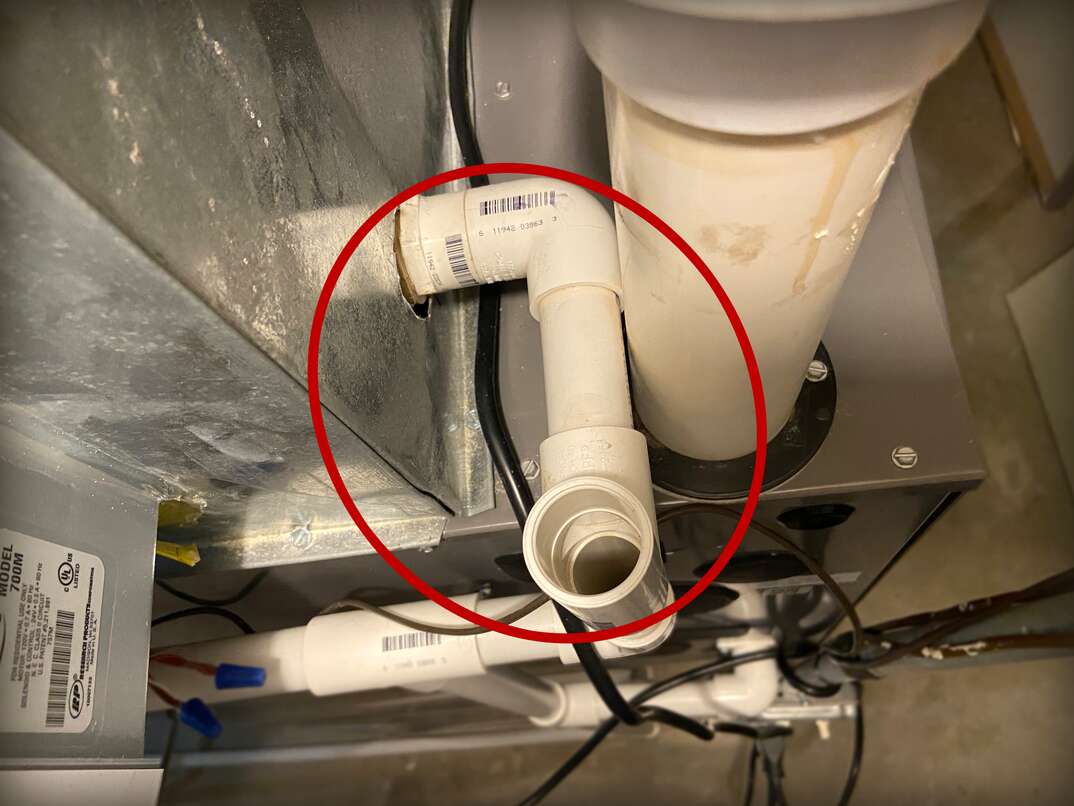
- Clogged or damaged drain lines
- Standing water in drain pans
- Wet duct insulation
- Condensation buildup in air handlers
- Elevated indoor humidity levels
If not addressed, these conditions can contribute to mold growth and structural damage.
Why AC Moisture Issues Are Common in Lighthouse Point
Lighthouse Point properties face environmental conditions that increase the likelihood of moisture-related AC problems:
- Coastal humidity year-round
- Heavy seasonal rainfall
- Flooding in low-lying areas
- Continuous AC use
- Salt air exposure affecting equipment
Because air conditioning systems operate almost constantly, even small moisture issues can quickly become larger problems.
Common Signs Homeowners Notice After Flooding
After a flooding event or major leak, property owners may observe:
- Musty odors when the AC runs
- Water stains near air handler closets
- Damp or wet insulation around ducts
- Higher indoor humidity
- Reduced cooling efficiency
These signs often indicate that moisture has affected HVAC components and should be inspected.
Hidden or Overlooked Sources of Moisture
Some of the most significant AC moisture issues occur in areas that are not immediately visible. Inspectors in Lighthouse Point frequently find problems in:
- Air handler drain pans and overflow lines
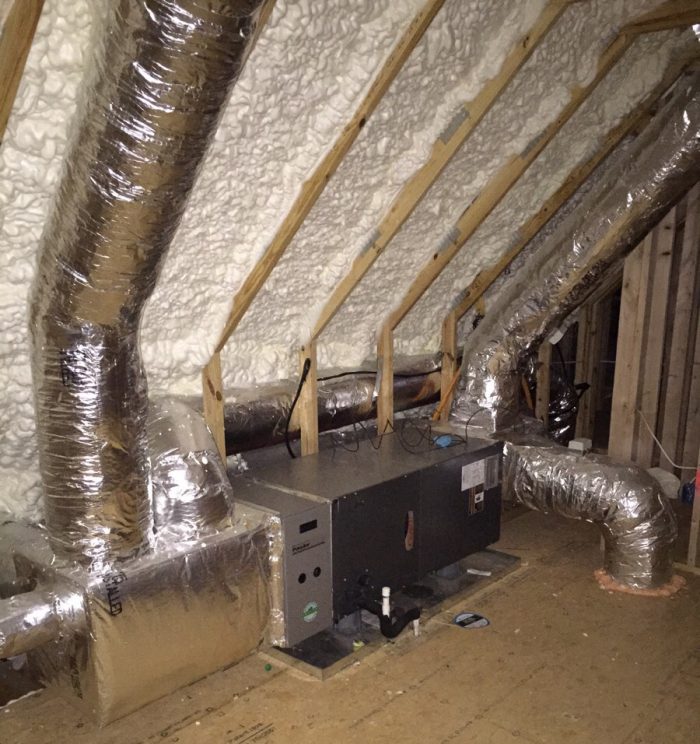
- Ductwork located in attics or crawl spaces
- Insulated ducts exposed to humid air
- Wall cavities near air handlers
- Condensation lines running behind walls
Because these areas are hidden, moisture can remain trapped long after visible water has dried.
Why DIY Repairs Usually Fail
Homeowners sometimes attempt to clear drain lines or dry visible areas, but this rarely resolves the full problem. Moisture can remain inside insulation, ductwork, and structural materials.
Professional repair is often necessary because it includes:
- Moisture detection equipment
- Structural drying techniques
- Inspection of concealed HVAC components
- Identification of underlying causes
Without these steps, moisture may return or mold may develop later.
Professional Inspection and AC Moisture Repair Process
A professional inspection typically begins with a detailed evaluation of the HVAC system and surrounding areas. In Lighthouse Point properties, technicians often:
- Inspect the air handler and drain lines
- Measure moisture levels in nearby materials
- Check duct insulation for dampness
- Evaluate humidity levels inside the home
- Identify areas affected by flooding or leaks
Pompano Mold Inspection and Testing frequently performs moisture inspections and HVAC-related assessments in Lighthouse Point and surrounding Broward County communities, helping property owners understand the extent of damage before repairs begin.
Proper Repair and Remediation Steps
AC moisture repair after flooding may involve:
- Cleaning and clearing drain lines
- Drying or replacing wet insulation
- Cleaning and drying ductwork
- Repairing or replacing damaged components
- Dehumidifying indoor spaces
Each step is designed to restore normal moisture levels and prevent long-term damage.
Flood Restoration and Water Damage Repair
When flooding has affected multiple areas of a home, restoration may include:
- Water extraction
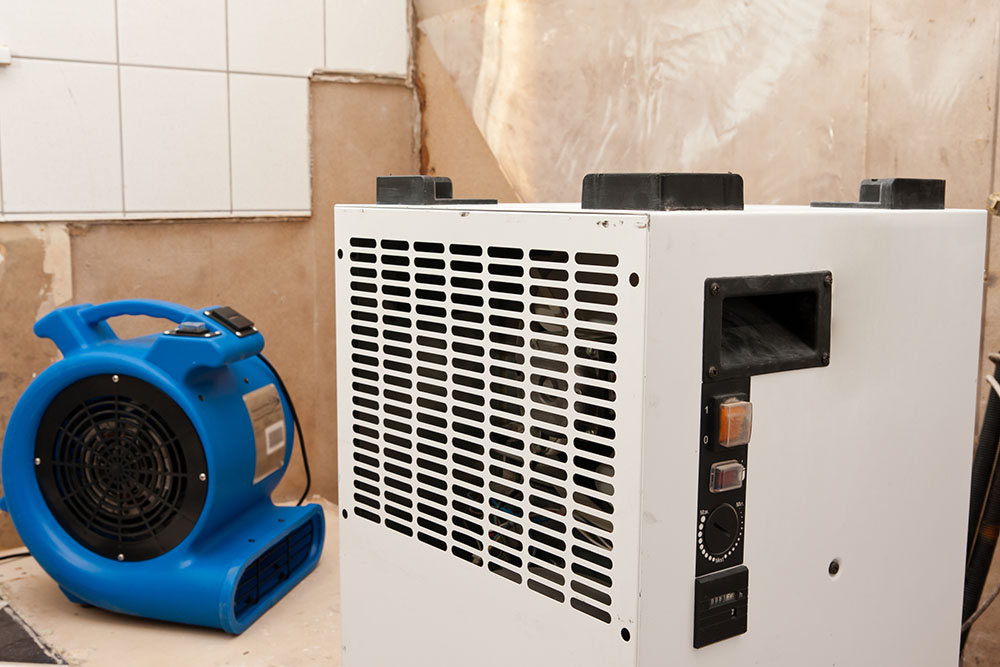
- Structural drying with air movers
- Dehumidification
- Repair of drywall, flooring, or baseboards
- Monitoring moisture levels until materials stabilize
These steps help ensure that moisture is fully removed from affected materials.
Typical Costs of AC Moisture Repair
Costs vary depending on the extent of moisture damage and the components involved. Factors that influence repair costs include:
- Size of the HVAC system
- Amount of ductwork affected
- Extent of flooding or water intrusion
- Need for insulation or component replacement
- Duration of drying required
Minor repairs may involve simple cleaning and clearing of drainage lines, while more extensive damage may require structural drying or duct replacement.
Air Ducts and Mold Risks After Flooding
Duct systems can trap moisture after flooding, especially if insulation becomes wet. Damp ducts may lead to:
- Odors circulating through vents
- Reduced airflow
- Mold growth inside insulation
Cleaning and drying duct systems is often an important part of post-flood HVAC restoration.
How to Prevent Future AC Moisture Problems
Property owners in Lighthouse Point can reduce the likelihood of future issues by:
- Scheduling regular HVAC maintenance
- Keeping drain lines clear
- Monitoring indoor humidity
- Inspecting systems after storms or flooding
- Ensuring proper attic ventilation
Preventive maintenance is often the most effective way to avoid costly repairs.
Why Local Experience Matters
Moisture behavior in coastal Florida differs from other regions. Professionals familiar with Lighthouse Point understand:
- How coastal humidity affects HVAC systems
- Typical flood patterns in Broward County
- Common drainage and condensation issues in South Florida homes
This experience allows repairs and inspections to be more precise and effective.
A Practical Next Step for Property Owners
AC moisture problems after flooding can develop quietly but cause significant damage if ignored. A thorough inspection and proper repair help restore indoor comfort and prevent future mold or structural issues.
Taking prompt action after flooding helps protect both the HVAC system and the overall condition of the property, ensuring a stable and comfortable indoor environment.