
Carpet Cleaning After Water Damage Services in Pompano Beach in Older Homes: Practical Tips That Work
Older homes in Pompano Beach have character, solid construction, and established neighborhoods, but they also come with challenges—especially when water damage affects carpeting. Aging plumbing, original slab foundations, older roofing systems, and decades of wear make carpets in these homes particularly vulnerable after leaks or flooding.
When carpets get wet, time and technique matter. Improper drying or delayed cleaning can lead to lingering odors, material breakdown, and mold growth beneath the surface. Understanding how carpet cleaning after water damage works in older Pompano Beach homes helps homeowners protect flooring, indoor conditions, and the structure itself.
What Happens to Carpets After Water Damage
Carpets act like sponges. When water enters the home from storms, plumbing leaks, or AC failures, carpet fibers absorb moisture quickly. The real problem often develops underneath.
Padding holds water longer than carpet fibers. In older homes, padding materials are often denser and slower to dry. Moisture can also seep into the slab foundation or wooden subfloor below, creating ideal conditions for mold growth.
If water is not removed promptly and thoroughly, carpets may appear dry on the surface while remaining damp underneath. This hidden moisture is what leads to musty odors, discoloration, and mold issues days or weeks later.
Why Older Homes in Pompano Beach Are More Vulnerable
Many older homes in Pompano Beach were built with materials and layouts that behave differently than modern construction. Original plumbing lines may develop slow leaks that go unnoticed until carpets are already saturated.
Slab foundations common in older properties can trap moisture underneath flooring. Once water enters, it has fewer escape paths, prolonging drying time.
Older homes may also have less efficient ventilation and insulation. Combined with South Florida’s humidity, this slows evaporation and increases the risk of mold developing beneath carpets.
In some cases, repeated minor water events over the years weaken carpet backing and padding, making them more susceptible to damage during new leaks or floods.
Early Signs Carpet Water Damage Needs Attention
Water-damaged carpet does not always look severe at first. A faint musty smell is often the earliest warning sign. This odor may become stronger when the AC runs or after the home has been closed for several hours.
Carpet fibers may feel slightly damp, stiff, or matted even after surface drying. Discoloration or darkened areas can appear along edges or near walls.
In older homes, homeowners may also notice increased humidity or condensation in rooms with affected carpet. These signs often indicate moisture trapped beneath the surface.
Ignoring these early warnings increases the chance that carpet padding and subfloor materials will become contaminated.
Hidden Problems Beneath the Carpet
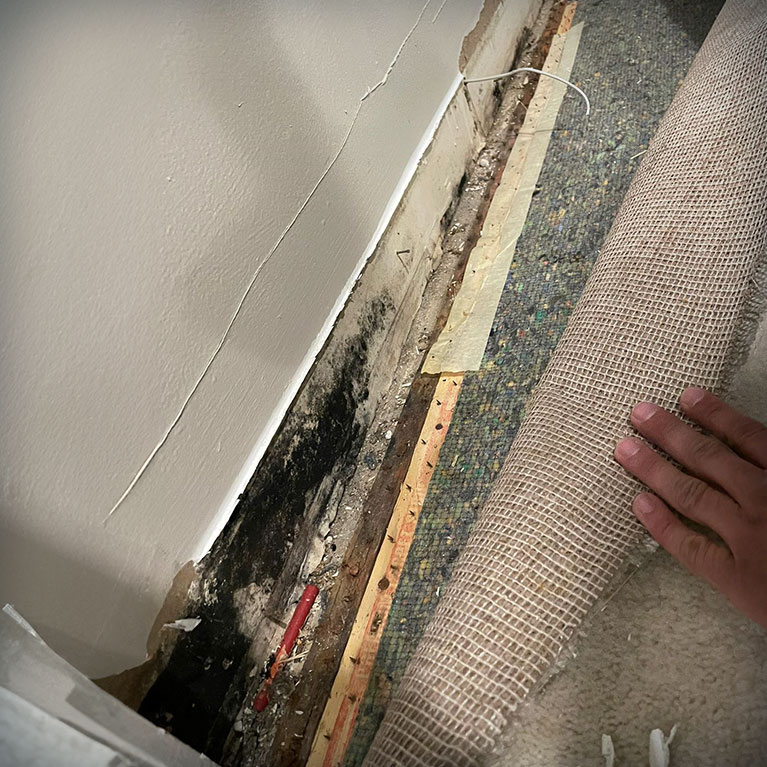
The most serious issues often occur out of sight. Moisture trapped in padding creates an environment where mold can grow quickly. This growth may never appear on the carpet surface but can spread underneath.
Water can also migrate outward beneath carpet, affecting baseboards and lower drywall. In older homes, materials may absorb moisture more readily, leading to broader damage.
If water damage is related to plumbing leaks, moisture may continue feeding the problem until the source is corrected. Cleaning carpet without addressing the leak allows conditions to worsen.
Why Basic Carpet Cleaning Is Not Enough
Standard carpet cleaning methods are designed for dirt and stains, not water damage. Shampooing or surface extraction does not remove moisture from padding or subflooring.
In some cases, cleaning a wet carpet without proper drying can actually worsen the problem by pushing moisture deeper. This often leads to recurring odors and hidden mold growth.
Effective carpet cleaning after water damage requires moisture detection, controlled extraction, and thorough drying of all layers—not just the visible carpet.
How Professional Carpet Cleaning After Water Damage Works
Professional water-damage carpet cleaning starts with an assessment. Moisture meters are used to determine how far water has spread and whether padding or subfloor materials are affected.
Water is extracted using high-powered equipment designed for saturated materials. In many cases, carpet can be saved if extraction happens quickly and contamination levels are low.
Drying equipment is placed strategically to pull moisture from carpet, padding, and underlying surfaces. Air movement and dehumidification are carefully controlled to prevent mold growth.
If padding is too saturated or contaminated, it may need to be removed while preserving the carpet itself when possible.
Pompano Mold Inspection and Testing frequently performs these services in older Pompano Beach homes where water damage affects carpeting.
Carpet Cleaning After Flooding or Storm Water
Flooding presents additional challenges. Storm water often carries contaminants that affect carpet safety and integrity.
After flooding, carpets must be evaluated carefully. In some cases, removal is necessary to prevent long-term problems. When carpets can be saved, cleaning includes thorough extraction, antimicrobial treatment, and controlled drying.
Skipping steps after flood exposure increases the risk of mold growth beneath flooring and inside walls.
Mold Risks Linked to Wet Carpets
Mold growth can begin within 24 to 48 hours when carpets remain damp. Older homes with limited airflow are especially vulnerable.
Mold may develop in padding, subflooring, or along carpet edges where moisture accumulates. Once established, mold can spread beyond the carpeted area.
Professional drying and inspection help reduce this risk by addressing moisture before mold has a chance to grow.
AC Systems, Humidity, and Carpet Drying
Air conditioning systems play a major role in carpet drying. In older homes, AC systems may struggle to remove excess humidity after water damage.
If drain lines are clogged or systems are undersized, moisture remains in the air, slowing carpet drying. Ductwork issues can also introduce moisture into carpeted rooms.
Professional drying plans account for HVAC performance and may include temporary dehumidification to support proper moisture removal.
Practical Tips That Help Prevent Carpet Damage
After any water event, act quickly. The first 24 hours are critical for saving carpets and preventing mold.
Avoid turning on ceiling fans alone without dehumidification, as this can spread moisture without removing it. Do not place furniture back on damp carpet, as this traps moisture.
Schedule inspections after leaks or flooding, even if damage seems minor. Early detection often prevents the need for full carpet replacement.
Regular plumbing maintenance and AC servicing help reduce future water damage risks in older Pompano Beach homes.
Why Local Experience Makes a Difference
Older homes in Pompano Beach have unique layouts, materials, and moisture patterns. Professionals familiar with local construction understand how water behaves in these properties.
Local experience helps identify hidden moisture pathways and determine whether carpets can be saved or need replacement. This leads to more effective, practical solutions.
Pompano Mold Inspection and Testing brings this local knowledge to Pompano Beach, Lighthouse Point, Deerfield Beach, Margate, Coconut Creek, and surrounding Broward County communities.
A Smart Next Step for Homeowners
If carpets in your older home have been affected by water, addressing the issue promptly can prevent mold growth and structural damage. Professional assessment and drying provide clarity and protect your investment.
Taking a practical, informed approach to carpet cleaning after water damage is one of the most effective ways to preserve older Pompano Beach homes.