
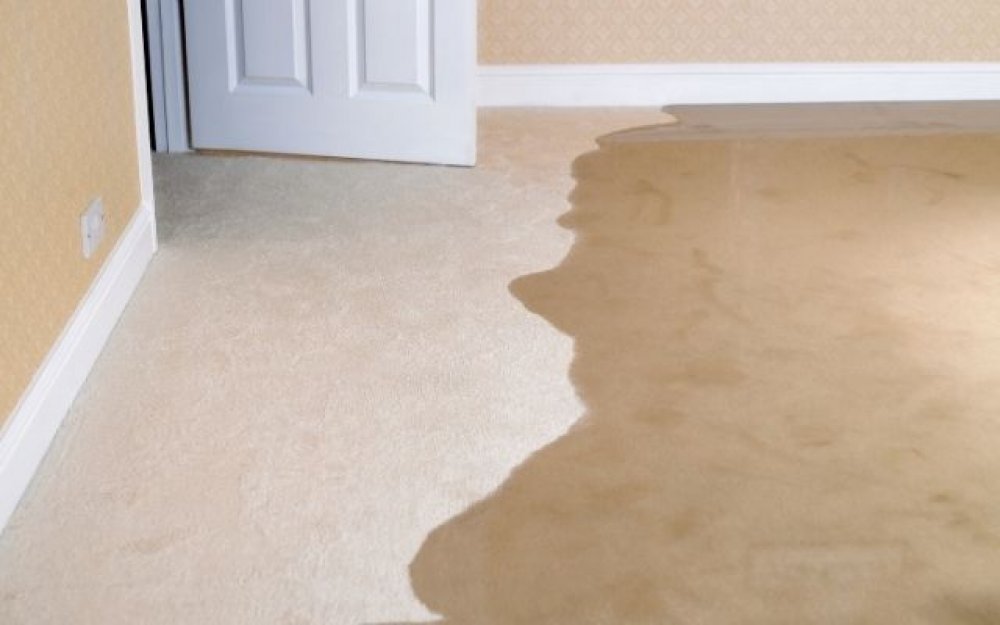
Carpet Cleaning After Water Damage Solutions for Homes in Lauderdale-by-the-Sea: Costs, Causes, and Solutions
Water damage in Lauderdale-by-the-Sea doesn’t always look like a disaster movie scene. In many homes, it starts quietly—moisture from coastal storms, AC condensation, plumbing leaks, or high humidity slowly soaking into carpet fibers and padding. By the time homeowners notice a musty smell or damp feeling underfoot, water has often been sitting in the carpet long enough to create bigger problems.
Carpet cleaning after water damage is not just a cosmetic service in coastal South Florida. It plays a critical role in removing trapped moisture, protecting subfloors, preventing mold growth, and restoring indoor air quality. In a humid coastal environment like Lauderdale-by-the-Sea, carpets rarely dry on their own without professional help. This guide breaks down the most common causes of carpet water damage, what proper carpet cleaning solutions involve, realistic cost factors, and how homeowners can reduce the risk of future problems.
Why Carpet Water Damage Is So Common in Lauderdale-by-the-Sea Homes
Lauderdale-by-the-Sea homes face moisture challenges year-round. Even without flooding, carpets are exposed to conditions that make water damage more likely than in inland or drier areas.
Local factors include:
- Heavy seasonal rain and coastal storms
- Wind-driven rain entering through doors and windows
- High water tables that slow drainage
- AC systems running almost nonstop
- Constant indoor humidity
- Poor ventilation in enclosed rooms
Carpets and padding absorb water quickly. Once moisture enters, it spreads outward and downward, often reaching the subfloor before surface signs become obvious.
Common Causes of Carpet Water Damage in Coastal Homes
Storm and Rain Intrusion
Coastal storms don’t need to flood a home to damage carpets. Wind-driven rain can enter through sliding doors, window frames, or minor foundation gaps. Even small amounts of water can soak carpet edges and padding.
AC Condensation Problems
One of the most common causes in Lauderdale-by-the-Sea homes is AC condensation. Clogged drain lines, overflowing drain pans, frozen coils that thaw, or poorly insulated ductwork can release water slowly onto carpeted areas near air handlers or vents.
Plumbing Leaks
Slow plumbing leaks beneath sinks, behind walls, or under flooring can release water over time. Carpets often absorb this moisture long before homeowners notice a visible leak.
High Indoor Humidity
Poor ventilation allows humidity to settle into carpets, especially in bedrooms, closets, and interior rooms. Over time, this moisture buildup behaves like water damage.
Past Water Events
Even after flooding or leaks are “cleaned up,” residual moisture often remains in carpet padding and subfloors if professional drying was skipped.
Early Warning Signs Homeowners Should Not Ignore
Carpet water damage often starts subtly. Ignoring early signs allows moisture to linger longer, increasing the risk of mold and permanent damage.
Common warning signs include:
- Damp or cool carpet areas
- Musty or sour odors that come and go
- Discoloration or dark patches
- Carpet that feels less cushioned underfoot
- Increased indoor humidity
- Allergy-like irritation indoors
If these signs appear, moisture is likely already trapped beneath the surface.
Why Wet Carpets Are a Serious Problem in Coastal Florida
In Lauderdale-by-the-Sea’s humid climate, wet carpets rarely dry naturally. Moisture becomes trapped in padding and subfloors, creating long-term risks.
When carpets stay damp:
- Mold growth becomes more likely
- Odors worsen over time
- Carpet fibers weaken and deteriorate
- Padding breaks down and retains moisture
- Subfloors absorb water and warp
- Indoor air quality declines
Even carpets that look clean can hide significant moisture underneath.
Hidden Damage Beneath Carpeted Floors
One of the biggest risks with carpet water damage is what homeowners can’t see.
Hidden damage often includes:
- Saturated carpet padding
- Wet plywood or concrete subfloors
- Moist baseboards and lower drywall
- Water trapped under furniture
- Moisture spreading into adjacent rooms
Surface drying alone does not address these issues. Without proper extraction and drying, moisture continues spreading quietly.
Why DIY Carpet Drying Usually Fails
Many homeowners attempt to dry carpets using fans, towels, or household dehumidifiers. While these steps may help slightly, they rarely solve the problem.
DIY methods fail because:
- Moisture remains trapped in padding
- Fans move air but don’t remove water
- Humidity slows evaporation
- Subfloors stay wet
- There’s no way to verify dryness
Professional carpet cleaning after water damage focuses on moisture removal first, not just airflow.
How Professional Carpet Cleaning After Water Damage Works
Carpet cleaning after water damage is very different from routine steam cleaning. The goal is to remove water, not just clean fibers.
Inspection and Moisture Detection
The process begins with assessing how far water has spread. Moisture detection tools check carpets, padding, and subfloors to determine the extent of damage.
Water Extraction
High-powered extraction equipment removes water from carpet fibers and padding. This step is critical to stop moisture migration.
Controlled Drying
Air movers and commercial dehumidifiers are strategically placed to dry carpets and underlying materials. Controlled dehumidification is essential in coastal homes.
Cleaning and Odor Treatment
Once moisture is removed, carpets are cleaned to eliminate residue, odors, and contaminants left behind by water exposure.
Verification
Moisture levels are checked to confirm carpets, padding, and subfloors are truly dry—not just dry to the touch.
When Carpet Can Be Saved vs. Replaced
Not all carpets can be saved after water damage, but early action improves the chances significantly.
Carpet cleaning is often successful when:
- Water exposure is recent
- Padding has not deteriorated
- Mold growth has not started
- Subfloors are structurally sound
Replacement may be necessary when:
- Padding remains wet too long
- Odors persist after drying
- Mold is detected beneath the carpet
- Backing materials are damaged
Prompt professional cleaning often prevents costly replacement.
Cost Factors for Carpet Cleaning After Water Damage
Costs vary based on several factors rather than a flat price.
Key cost influences include:
- Size of the affected area
- Amount of water absorbed
- Type of water involved
- Extent of padding and subfloor moisture
- Drying time required
- Whether additional water removal is needed
Addressing water damage early almost always costs less than waiting until odors, mold, or structural damage develop.
The Connection Between Carpet Water Damage and Mold
Mold does not require flooding. Damp carpet padding and subfloors provide ideal conditions for mold growth, especially in warm, humid environments.
Carpet cleaning after water damage helps prevent mold by:
- Removing moisture before mold can grow
- Drying hidden areas thoroughly
- Reducing indoor humidity
- Supporting mold inspection and testing when needed
In many Lauderdale-by-the-Sea homes, early carpet cleaning stops moisture problems before mold remediation becomes necessary.
How HVAC Systems Contribute to Carpet Moisture Problems
AC systems play a major role in carpet water damage.
Common HVAC-related contributors include:
- Clogged condensate drain lines
- Overflowing drain pans
- Poorly insulated ducts sweating onto floors
- Improper airflow increasing humidity
Carpet cleaning is often paired with AC moisture inspections to prevent repeat damage.
Preventing Future Carpet Water Damage
Homeowners can reduce carpet water damage risks with proactive steps.
Helpful prevention tips include:
- Maintaining AC systems and drain lines
- Monitoring indoor humidity levels
- Addressing leaks immediately
- Inspecting carpeted areas after storms
- Improving ventilation in enclosed rooms
- Responding quickly to musty odors
Prevention focuses on controlling moisture before it reaches carpets.
Why Local Experience Matters in Lauderdale-by-the-Sea
Carpet water damage in Lauderdale-by-the-Sea is influenced by coastal humidity, storms, and home construction styles. Professionals familiar with the area understand how moisture behaves and spreads in local homes.
Teams serving Lauderdale-by-the-Sea, Pompano Beach, Lighthouse Point, Deerfield Beach, Margate, Coconut Creek, North Lauderdale, and Fort Lauderdale recognize these patterns quickly. Pompano Mold Inspection and Testing applies this local knowledge when addressing carpet cleaning after water damage, focusing on moisture removal and long-term prevention.
A Practical Next Step for Homeowners
If your carpet feels damp, smells musty, or shows signs of water exposure, waiting rarely helps. Carpet water damage doesn’t resolve on its own in a coastal climate.
Professional carpet cleaning after water damage removes trapped moisture, protects subfloors, and helps prevent mold growth. In Lauderdale-by-the-Sea, early action is one of the most effective ways to avoid costly repairs and keep your home healthy and comfortable.
