Costs, Causes, and Solutions: Home Moisture Control in Deerfield Beach in Humid Florida Summers
Summers in Deerfield Beach bring more than warm weather and afternoon storms. High humidity levels can linger day and night, and when that moisture enters a home, it often stays trapped in walls, ceilings, and air systems. Many homeowners first notice the effects as a damp feeling indoors, a musty odor, or condensation on vents and windows. By the time visible signs appear, moisture may already be affecting building materials and indoor air quality.
Understanding the causes, realistic costs, and practical solutions for moisture control helps homeowners protect their property and avoid long-term damage.
What Home Moisture Problems Really Are
Moisture problems occur when excess humidity or water intrusion collects in areas that cannot dry properly. In homes, this typically affects drywall, insulation, wood framing, flooring, and air ducts. Over time, trapped moisture can lead to mold growth, structural deterioration, and poor indoor air quality.
In Deerfield Beach homes, common moisture-related issues include:
- Condensation inside ductwork
- High indoor humidity levels
- Roof leaks after heavy summer storms
- Plumbing leaks under sinks or behind walls
- Poor ventilation in bathrooms and kitchens
- Water intrusion around windows and sliding doors
Because Florida summers combine heat and humidity, moisture problems can develop quickly if conditions are not controlled.
Why This Happens So Often in Deerfield Beach
Deerfield Beach and nearby communities such as Pompano Beach, Lighthouse Point, Margate, Coconut Creek, North Lauderdale, Lauderdale-by-the-Sea, and Fort Lauderdale all experience similar environmental conditions.
Several factors contribute to summer moisture problems:
- Outdoor humidity frequently above 70 percent
- Daily thunderstorms and heavy rain
- Air conditioning systems running constantly
- Warm attic temperatures causing duct condensation
- Older window seals or roofing materials allowing intrusion
Homes near the coast also experience moisture carried in sea air, which can increase humidity indoors when ventilation is insufficient.
Common Signs Homeowners Notice
Moisture problems rarely appear overnight. Most homeowners notice early warning signs such as:
- Musty or damp odors
- Condensation forming on vents or windows
- Paint bubbling or peeling
- Warped baseboards or trim
- Damp carpet or flooring
- Mold spotting in corners or closets
- Rooms feeling humid even when the AC runs
Ignoring these signs can allow moisture to spread and increase repair costs later.
Hidden or Overlooked Sources of Moisture
Many moisture sources are not visible during daily living. Inspections in Deerfield Beach homes often reveal problems in:
- Attics where roof leaks dampen insulation
- AC air handler closets with clogged drain lines
- Ductwork in hot attic spaces
- Behind cabinets with slow plumbing leaks
- Laundry rooms with limited ventilation
- Window frames and sliding door tracks
Because these areas remain closed off, moisture can accumulate for long periods before it becomes noticeable.
Why DIY Moisture Control Often Falls Short
Some homeowners try to solve humidity problems with small portable fans or air fresheners. While these may temporarily reduce odors, they rarely address the real cause.
Common DIY limitations include:
- Treating surface stains without correcting leaks
- Running fans without proper dehumidification
- Ignoring attic or duct moisture
- Not checking AC drain lines
- Sealing areas without verifying dryness
Effective moisture control requires identifying the source and ensuring materials are completely dry.
Professional Moisture Inspection and Detection Explained
A structured moisture inspection typically follows several steps.
Initial Consultation
The process begins by discussing the property’s history, including leaks, flooding, or humidity problems. This helps identify likely problem areas.
Visual Inspection
High-risk areas such as attics, bathrooms, kitchens, and HVAC systems are examined for staining, warping, or condensation.
Moisture Detection
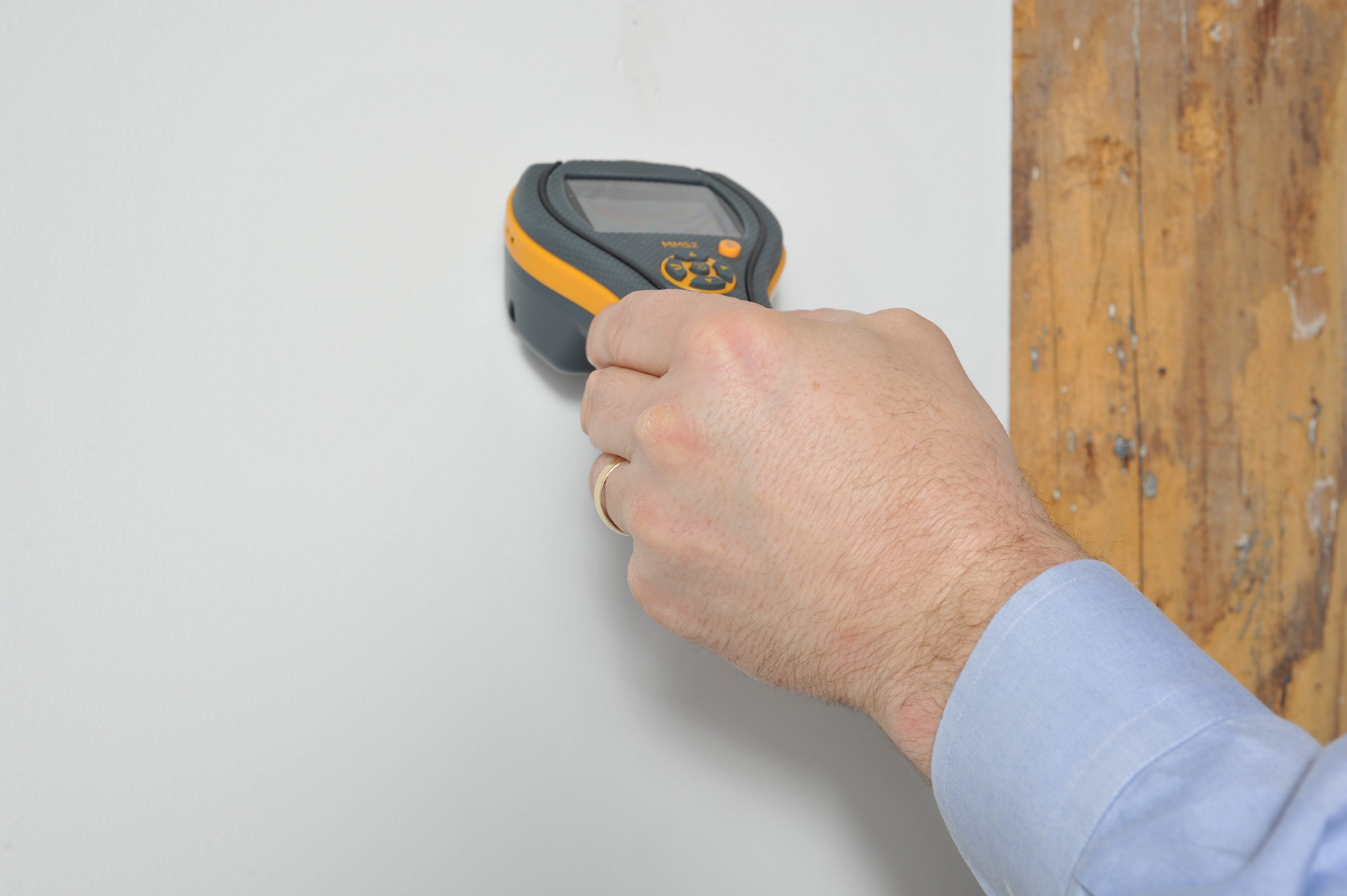
Moisture meters and thermal imaging equipment are used to locate damp areas behind walls or under flooring. This step often reveals hidden problems that are not visible.
Humidity Measurement
Indoor humidity levels are measured to determine whether conditions are contributing to mold growth or structural damage.
Clear Recommendations
After the inspection, homeowners receive practical recommendations for drying, repairs, or ventilation improvements.
Pompano Mold Inspection and Testing performs moisture detection and indoor air quality evaluations across Broward County, helping property owners understand the cause of humidity problems and how to resolve them effectively.
Costs of Moisture Control in Florida Summers
Costs vary depending on the cause and severity of the moisture problem. Minor issues are often inexpensive to correct, while larger problems involving water damage or mold remediation require more extensive work.
Typical cost ranges homeowners may encounter include:
- Basic moisture inspection and detection: relatively moderate cost compared to repairs
- AC drain line cleaning or minor repairs: generally low cost
- Dehumidification or drying after minor leaks: moderate cost depending on duration
- Water damage restoration and drying: higher cost if multiple rooms are affected
- Mold remediation and material replacement: varies depending on affected area size
Early detection is almost always less expensive than repairing structural damage later.
Proper Mold Removal and Remediation
If moisture problems have already led to mold growth, remediation may be necessary. Proper remediation focuses on removing contaminated materials and correcting moisture sources.
The process often includes:
- Isolating affected areas
- Removing damaged drywall or insulation when necessary
- Cleaning and treating structural surfaces
- Using air filtration equipment
- Confirming dryness before repairs
Correcting the moisture source is essential to prevent recurrence.
Flood Restoration and Water Damage Repair
Summer storms in Deerfield Beach can sometimes cause localized flooding or roof leaks. Quick response helps prevent long-term moisture problems.
Flood restoration steps often include:
- Water removal
- Drying with specialized equipment
- Monitoring moisture levels
- Removing unsalvageable materials
- Repairing affected areas after drying
Prompt drying is critical because mold can begin forming within days in humid conditions.
Air Ducts, AC Systems, and Moisture Control
HVAC systems play a major role in indoor humidity levels. Problems that contribute to moisture buildup include:
- Clogged condensate drain lines
- Dirty evaporator coils
- Duct leaks pulling humid attic air
- Poor insulation around ducts
Air duct cleaning and AC maintenance may be recommended when dust buildup or moisture is present, especially if musty odors come from vents.
How to Prevent Moisture Problems in Deerfield Beach Homes
Preventive steps can significantly reduce moisture risks during Florida summers:
- Keep indoor humidity controlled
- Service air conditioning systems regularly
- Inspect roofs and seals before storm season
- Use exhaust fans in bathrooms and kitchens
- Repair plumbing leaks promptly
- Keep AC drain lines clear
- Ensure attic ventilation is adequate
- Dry wet areas quickly after storms
Regular inspections and maintenance are often the most effective way to prevent costly repairs.
Why Local Experience Matters
Moisture problems in Deerfield Beach are influenced by coastal humidity, frequent rain, and construction styles common in Broward County. Professionals familiar with these conditions can identify moisture pathways more quickly and recommend solutions that work in local environments.
Understanding how humidity behaves in Florida homes helps ensure that repairs address the root cause rather than temporary symptoms.
Calm, Trust-Based Call to Action
If your home feels humid, musty, or uncomfortable during the summer months, those are early warning signs that moisture may be present. Addressing humidity and water intrusion early helps protect indoor air quality and prevents structural damage.
Pompano Mold Inspection and Testing works with homeowners, landlords, and property managers in Deerfield Beach and surrounding communities to identify moisture sources, evaluate indoor conditions, and recommend practical steps to restore a dry, comfortable home.