
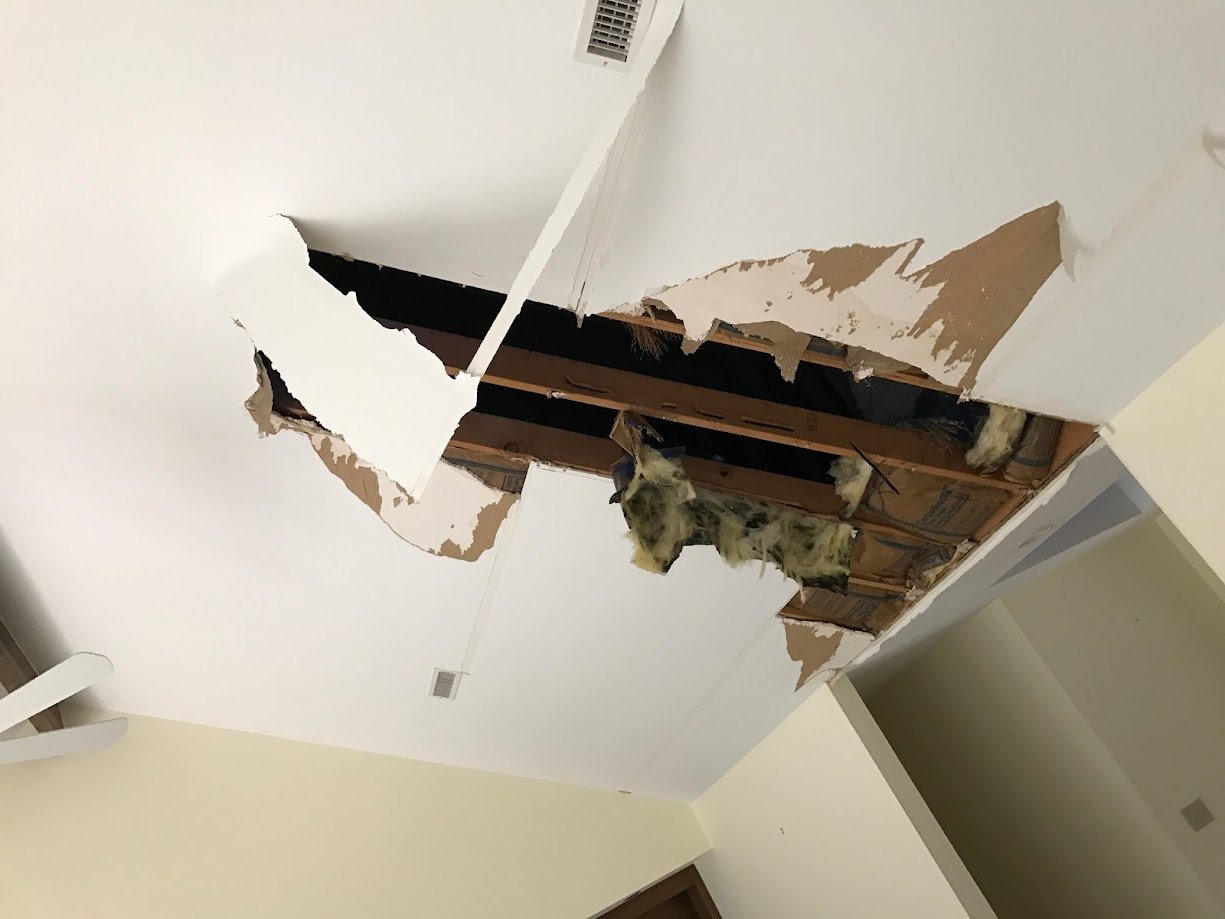

Flood Restoration Services in Pompano Beach After Roof Leaks: Understanding the Process
Roof leaks are one of the most common causes of flood-style damage in Pompano Beach homes. Heavy rain, aging roofing materials, clogged drainage, and storm-driven wind can force water through small openings, allowing it to spread across ceilings, walls, insulation, and floors. Even when the leak appears minor, the resulting water damage can behave much like flooding once moisture moves beyond the point of entry.
Flood restoration after roof leaks is not just about drying visible water. In Pompano Beach’s humid coastal climate, moisture travels quickly and dries slowly, making proper restoration essential. Understanding how the process works helps homeowners avoid lingering damage, repeat repairs, and long-term moisture problems.
Why Roof Leaks Cause Widespread Water Damage
Roof leaks rarely drip straight down and stop. Water follows framing, insulation, wiring, and drywall, spreading horizontally and vertically before becoming visible.
In many homes, roof leaks soak attic insulation first. Once insulation is saturated, it releases moisture slowly into ceilings and walls below.
Ceilings may appear dry on the surface while moisture continues to move behind drywall and into wall cavities.
Because rain events can last hours, repeated saturation allows water to accumulate and behave like a flooding event rather than a simple leak.
Why Roof Leak Damage Is Common in Pompano Beach
Pompano Beach experiences intense rain, seasonal storms, and high humidity for much of the year.
Wind-driven rain can enter through lifted shingles, flashing gaps, vents, or aging roof penetrations.
Salt air and sun exposure accelerate roof material wear, increasing vulnerability over time.
Flat and low-slope roof sections common in some properties are especially susceptible to pooling and seepage.
When combined with slow drying conditions, even short-term leaks can cause significant water damage.
Early Signs of Roof Leak Flood Damage
Water stains or discoloration on ceilings or upper walls are often the first visible sign.
Paint bubbling, peeling, or cracking without plumbing issues usually indicates trapped moisture.
Sagging drywall or ceiling texture suggests prolonged saturation.
Musty odors developing days after rain events often signal wet insulation or hidden moisture.
Dripping or dampness near light fixtures or ceiling vents can indicate water traveling along structural pathways.
Ignoring these signs allows moisture to spread further.
Why Flood Restoration Is Necessary After Roof Leaks
Surface drying is rarely enough after roof leaks. Moisture often remains trapped in insulation, framing, and wall cavities.
Without proper restoration, trapped moisture continues to migrate, leading to repeated staining and damage.
Flood restoration addresses both visible water and hidden moisture to fully stabilize the structure.
In Pompano Beach’s climate, incomplete drying almost always leads to recurring problems.
Step One: Inspection and Moisture Assessment
Flood restoration begins with inspection, not assumptions.
Moisture detection tools are used to identify how far water has spread through ceilings, walls, and floors.
Attic insulation and roof-adjacent areas are checked for saturation.
This assessment creates a clear map of affected areas and guides the restoration plan.
Pompano Mold Inspection and Testing provides moisture inspection services in Pompano Beach to support accurate flood restoration after roof leaks.
Step Two: Water Removal and Containment
Any active water is removed first to prevent further spread.
Containment may be established to protect unaffected areas and control moisture movement.
Wet materials that cannot be dried in place may be isolated for removal.
This step limits damage while drying begins.
Step Three: Controlled Drying and Dehumidification
Drying after roof leaks must be controlled and monitored.
Air movers and dehumidifiers are placed strategically to pull moisture from ceilings, walls, and insulation.
Drying focuses on removing moisture from building materials, not just from the air.
Moisture levels are checked regularly to confirm progress and prevent overdrying or incomplete drying.
In humid conditions, drying may take longer and requires careful monitoring.
Step Four: Evaluating Materials for Salvage or Removal
Not all materials can be saved after roof leak flooding.
Drywall that remains structurally sound may be dried and repaired.
Saturated insulation often requires removal because it holds moisture and loses effectiveness.
Ceiling textures, trim, or flooring may need replacement depending on exposure time.
Inspection results guide repair decisions and prevent unnecessary replacement.
Step Five: Cleaning and Odor Control
After drying, affected areas are cleaned to remove residue left by water movement.
This step helps prevent lingering odors and improves indoor conditions.
Cleaning is only effective once moisture has been fully removed.
Odor control without drying almost always fails.
Step Six: Repair and Restoration
Once moisture levels are confirmed dry, repairs can begin.
This may include replacing drywall, insulation, ceiling finishes, or trim.
Restoration restores the home to pre-damage condition without sealing in moisture.
Rushing repairs before drying is complete leads to repeat damage.
Roof Leaks, Flood Restoration, and Mold Risk
Roof leaks are a major trigger for mold problems.
Wet insulation, drywall, and framing create ideal conditions for mold growth if moisture remains.
Proper flood restoration significantly reduces this risk by removing moisture quickly and thoroughly.
Addressing roof leak damage early limits the scope of any additional remediation.
Prevention Tips to Avoid Future Roof Leak Damage
Inspect roofs regularly, especially after storms.
Address minor leaks or flashing issues immediately.
Keep gutters and drainage systems clear.
Inspect attics for damp insulation or staining after heavy rain.
Do not ignore small ceiling stains, even if they appear dry.
Schedule moisture inspections if leaks are suspected but not confirmed.
Why Local Experience Matters in Pompano Beach
Flood restoration behaves differently in humid coastal environments.
Pompano Beach homes experience slower drying and greater moisture migration.
Local professionals understand how roof leaks spread water through these structures.
This experience leads to more accurate drying and longer-lasting repairs.
A Practical Takeaway for Homeowners
Flood restoration after roof leaks in Pompano Beach is a structured process, not a quick fix. It requires inspection, moisture detection, controlled drying, and careful repair sequencing.
By understanding the process and acting early, homeowners can prevent repeat damage, reduce repair costs, and protect long-term property stability in South Florida’s challenging climate.
