Home Moisture Control Services in Coconut Creek from AC Condensation: Common Causes and Solutions
In Coconut Creek, air conditioning systems run for much of the year. While AC units keep homes comfortable, they also produce condensation as part of normal operation. When that moisture is not draining properly or ventilation is limited, condensation can accumulate in walls, ducts, and flooring. Over time, this hidden moisture can affect indoor air quality, damage materials, and create conditions where mold may develop.
For homeowners, landlords, and property managers, understanding how AC condensation leads to moisture problems—and how to control it—can prevent costly repairs and maintain a healthier indoor environment.
What AC Condensation Moisture Problems Really Are
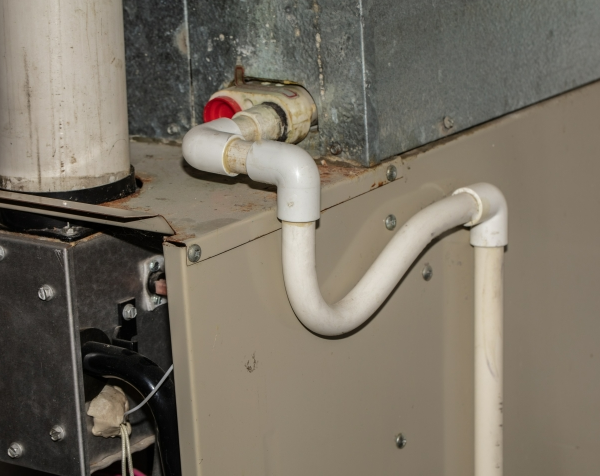
Air conditioning systems remove humidity from indoor air. As warm air passes over the evaporator coil, moisture condenses into water and drains through a condensate line. When everything is working correctly, this water exits the home safely.
Moisture problems occur when:
- Drain lines become clogged
- Drip pans overflow
- Duct insulation becomes damp
- Air leaks allow humid attic air into ducts
- Units run continuously in high humidity
When condensation is not managed properly, moisture can spread into nearby materials and remain trapped.
Why This Happens So Often in Coconut Creek
Homes in Coconut Creek and nearby areas such as Margate, North Lauderdale, Deerfield Beach, Pompano Beach, Lighthouse Point, Lauderdale-by-the-Sea, and Fort Lauderdale face similar climate conditions.
Common contributing factors include:
- High outdoor humidity year-round
- Long cooling seasons
- Warm attic temperatures
- Aging HVAC components
- Poor airflow in certain rooms
Because AC systems run frequently, even minor issues with drainage or airflow can lead to moisture accumulation over time.
Common Signs Homeowners Notice
Moisture from AC condensation often develops slowly. Early warning signs may include:
- Musty odors near vents or closets
- Damp or discolored ceilings near duct runs
- Water stains near air handlers
- Increased indoor humidity
- Condensation around supply vents
- Rooms that feel humid despite the AC running
These signs suggest moisture may be accumulating inside the system or surrounding materials.
Hidden or Overlooked Sources of AC-Related Moisture
Many moisture problems are not visible during daily living. Inspections in Coconut Creek homes frequently uncover:
- Clogged condensate drain lines
- Rusted or overflowing drip pans
- Insulation gaps around ducts
- Leaking duct connections
- Moisture buildup in air handler closets
- Attic ducts exposed to humid air
Because these areas are often concealed, moisture may remain unnoticed until odors or staining appear.
Why DIY Moisture Control Often Falls Short
Homeowners sometimes attempt to address humidity problems by lowering the thermostat or using small fans. While these steps may temporarily improve comfort, they rarely solve underlying condensation issues.
Common DIY limitations include:
- Not checking drain lines
- Ignoring duct insulation problems
- Failing to measure moisture levels
- Cleaning visible areas without correcting the source
- Assuming condensation is normal without inspection
Effective moisture control requires identifying and correcting the cause of the condensation.
Professional Moisture Control Services Explained
A professional moisture control evaluation typically follows a structured process.
Initial Assessment
The process begins with discussing any recent humidity issues, leaks, or odors. This helps narrow down possible sources.
Visual Inspection
High-risk areas such as air handlers, ducts, attics, and closets are examined for signs of condensation or water damage.
Moisture Detection
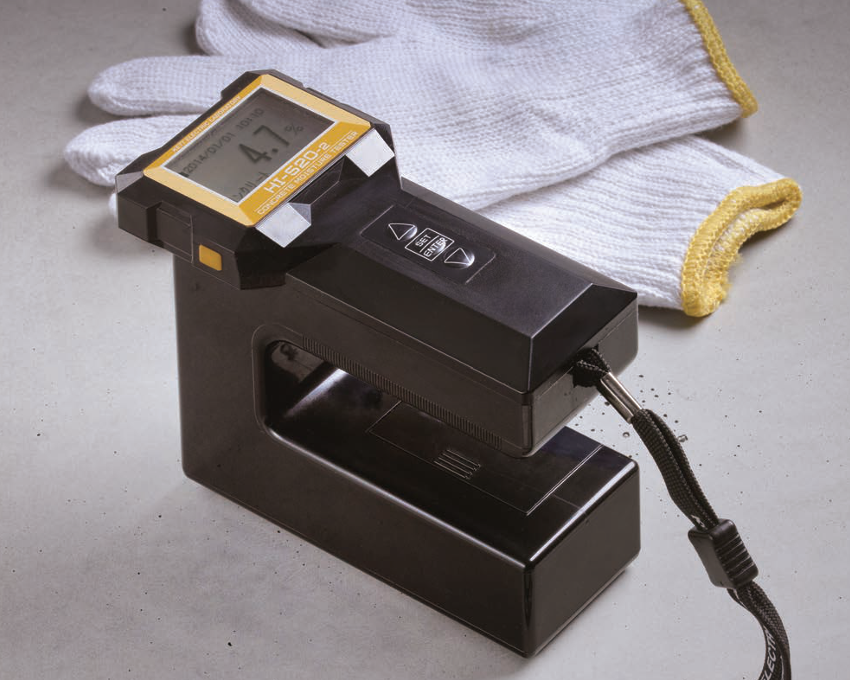
Moisture meters and thermal imaging equipment help identify damp areas behind walls or ceilings where condensation may be accumulating.
Humidity Measurement
Indoor humidity levels are measured to determine whether the AC system is effectively removing moisture.
Clear Recommendations
After the inspection, homeowners receive practical steps to correct drainage, improve airflow, or repair affected materials.
Pompano Mold Inspection and Testing provides moisture detection and indoor air quality evaluations in Coconut Creek, helping homeowners understand condensation issues and how to resolve them effectively.
Common Causes of AC Condensation Problems
Several mechanical and environmental factors contribute to condensation issues:
Clogged Drain Lines
Dust and debris can block condensate lines, causing water to back up into drip pans or surrounding areas.
Dirty Evaporator Coils
Coils covered in dust or debris reduce efficiency and can increase condensation.
Duct Leaks
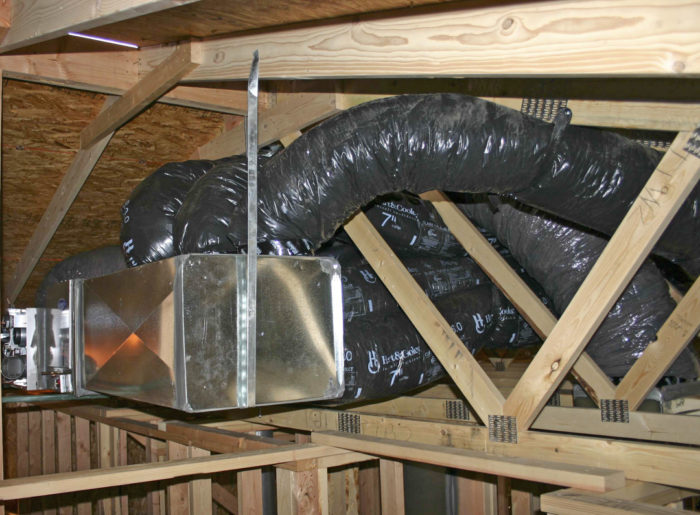
Leaking ducts may draw humid attic air into the system, increasing moisture levels.
Insufficient Insulation
Ducts without proper insulation may sweat in warm attic environments.
Improper Airflow
Blocked vents or return ducts can cause uneven cooling and excess humidity in certain rooms.
Solutions for Controlling Moisture from AC Condensation
Addressing condensation problems involves correcting both mechanical and environmental factors.
Drain Line Maintenance
Regularly cleaning condensate lines helps prevent clogs and overflows.
HVAC System Servicing
Routine inspections ensure coils, drip pans, and airflow components are functioning properly.
Duct Sealing and Insulation
Properly sealed and insulated ducts reduce condensation and improve efficiency.
Dehumidification
In some homes, supplemental dehumidification helps maintain balanced humidity levels.
Ventilation Improvements
Ensuring proper airflow in closets, laundry rooms, and storage areas helps prevent moisture buildup.
Proper Mold Removal and Remediation When Needed
If condensation has already caused mold growth, remediation may be necessary. Proper remediation focuses on:
- Identifying and correcting moisture sources
- Removing affected materials when needed
- Cleaning structural surfaces
- Using air filtration equipment
- Confirming dryness before repairs
Correcting the source of condensation is essential to prevent recurrence.
Flood Restoration and Water Damage Repair
In some cases, condensation problems combine with storm-related water intrusion, increasing moisture levels inside the home. Water removal and drying may be required to restore safe conditions.
Flood restoration steps often include:
- Extracting water
- Drying materials with professional equipment
- Monitoring moisture levels
- Replacing damaged materials after drying
Prompt drying reduces the risk of long-term structural damage.
Air Ducts, AC Systems, and Indoor Air Quality
Moisture inside HVAC systems can affect indoor air quality. Dust and humidity combined may lead to odors or airflow problems.
Air duct cleaning and maintenance may be recommended when:
- Musty odors come from vents
- Dust accumulation is excessive
- Moisture is detected inside ducts
Regular maintenance helps keep airflow consistent and reduces humidity buildup.
How to Prevent AC Condensation Problems in Coconut Creek Homes
Preventive steps can reduce the likelihood of moisture problems:
- Schedule annual HVAC inspections
- Keep condensate drain lines clear
- Replace air filters regularly
- Ensure ducts are properly insulated
- Maintain attic ventilation
- Monitor indoor humidity levels
- Inspect air handler closets periodically
Routine maintenance is often the most effective way to avoid costly repairs.
Why Local Experience Matters
Homes in Coconut Creek face environmental conditions that differ from many other regions. High humidity, warm attic temperatures, and long cooling seasons all influence how condensation behaves inside HVAC systems.
Professionals familiar with Broward County construction styles and climate patterns can identify moisture pathways quickly and recommend solutions that work in local conditions.
Calm, Trust-Based Call to Action
If your home feels humid, musty, or shows signs of moisture near vents or air handlers, AC condensation may be the cause. Early inspection and moisture control can prevent larger problems and help maintain a comfortable indoor environment.
Pompano Mold Inspection and Testing works with homeowners and property managers across Coconut Creek and nearby communities to identify condensation issues, evaluate moisture conditions, and recommend practical solutions to restore dry, healthy indoor spaces.