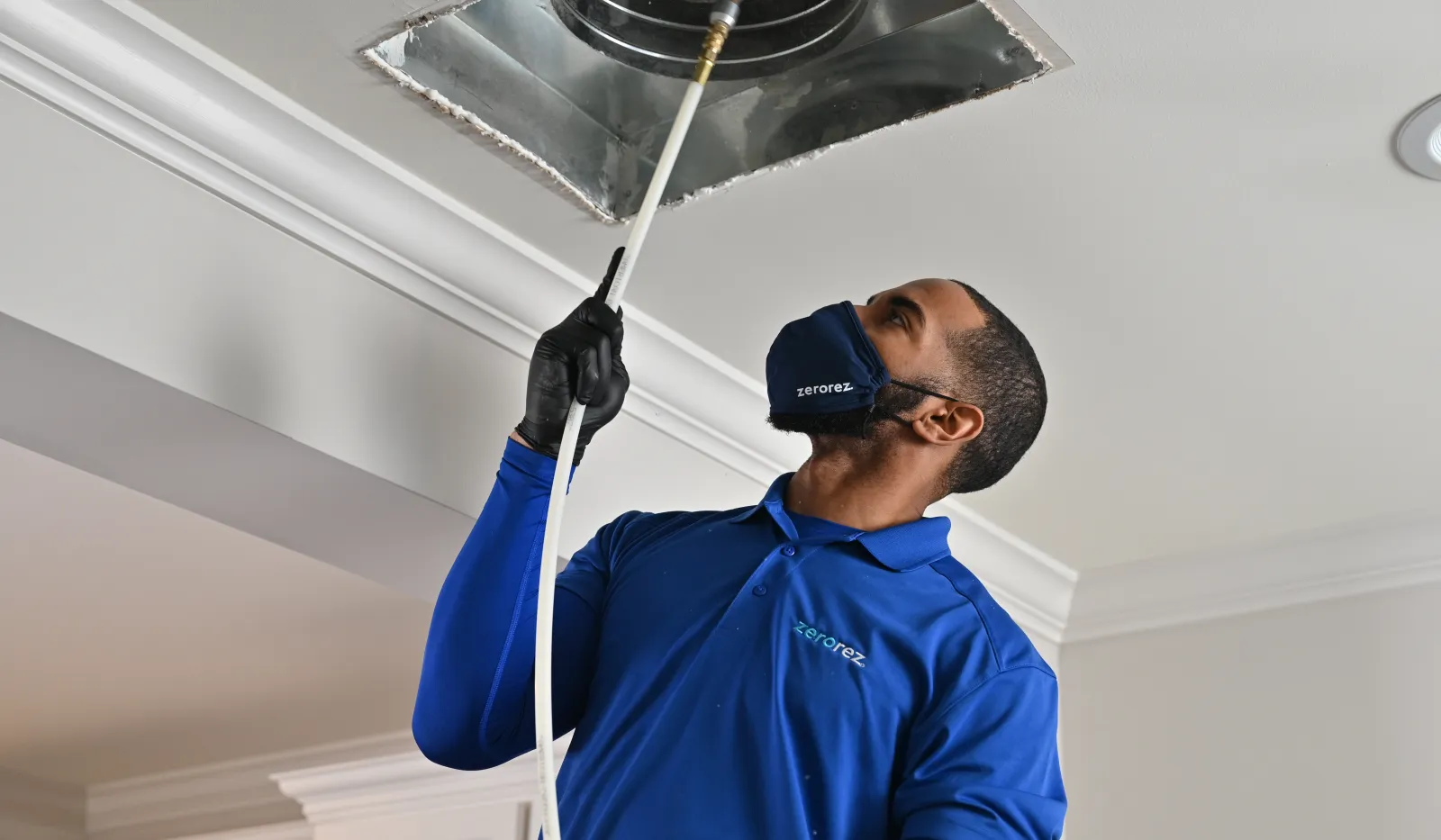
How Air Duct Cleaning Helps Homes in Fort Lauderdale After Heavy Rain
Heavy rain is common in Fort Lauderdale, especially during summer storms and hurricane season. While most homeowners focus on roof leaks or visible water intrusion, moisture can also affect HVAC systems and ductwork. When humidity rises and damp air enters attic spaces or air handlers, ducts may accumulate moisture, dust, and debris that affect airflow and indoor air quality.
Air duct cleaning helps restore airflow, reduce odors, and prevent long-term problems after periods of heavy rain. Understanding how rain-related moisture affects ducts helps homeowners, landlords, and property managers protect their homes.
How Heavy Rain Affects Air Duct Systems
Heavy rain increases humidity levels both outdoors and indoors. Even if a home does not flood, moisture can enter attics, crawl spaces, and wall cavities where ductwork is located.
After storms, moisture may affect:
- Duct insulation in attic spaces
- Return ducts drawing humid air
- Air handler closets
- Ceiling vents and duct boots
- HVAC components exposed to condensation
When moisture combines with dust inside ducts, buildup may develop and airflow may be reduced.
Why This Is Common in Fort Lauderdale
Fort Lauderdale and nearby communities such as Pompano Beach, Lighthouse Point, Deerfield Beach, Margate, Coconut Creek, North Lauderdale, and Lauderdale-by-the-Sea experience environmental conditions that increase duct moisture problems.
Several factors contribute to duct contamination after heavy rain:
- High humidity levels that linger after storms
- Warm attic temperatures
- Continuous AC operation
- Wind-driven rain entering attic vents
- Saturated insulation holding moisture
Because humid air slows drying, moisture may remain inside ducts longer than expected.
Early Signs That Duct Cleaning May Be Needed
After heavy rain, homeowners often notice small changes that indicate duct or HVAC issues.
Common warning signs include:
- Musty odors when the AC runs
- Damp or stale air indoors
- Reduced airflow from vents
- Dust collecting more quickly than usual
- Uneven cooling between rooms
- Increased indoor humidity
These signs often suggest moisture or debris inside the duct system.
Hidden Areas Where Moisture and Debris Accumulate
Many duct problems develop in areas that homeowners rarely see. Inspections frequently reveal:
- Damp attic duct insulation
- Condensation on metal ducts
- Debris drawn into return ducts
- Moisture near air handler compartments
- Dust buildup stuck to damp duct surfaces
Because these areas are enclosed, moisture and debris may remain unnoticed until airflow or odor problems appear.
How Air Duct Cleaning Helps After Heavy Rain
Air duct cleaning plays an important role in restoring HVAC performance and indoor air quality after storms.
Removes Dust and Debris
Moisture allows dust to cling to duct surfaces. Cleaning removes this buildup and helps restore airflow.
Reduces Musty Odors
Odors often develop when moisture and debris remain inside ducts. Cleaning helps eliminate these sources.
Improves Airflow Efficiency
Clean ducts allow conditioned air to circulate more freely, improving comfort and cooling efficiency.
Supports Indoor Air Quality
Removing contaminants reduces particles circulating through the home.
Identifies Moisture Sources
During cleaning or inspection, technicians often identify condensation issues, insulation damage, or drain line problems that may require repair.
Professional Air Duct Cleaning Process Explained
A professional duct cleaning service usually follows a structured process.
Inspection and Evaluation
The HVAC system, ducts, and vents are examined to identify dust buildup, moisture, or insulation issues.
Air Handler and Component Check
Coils, drain lines, and drip pans are inspected because moisture in these components can contribute to duct contamination.
Cleaning Preparation
Vents may be opened or removed, and specialized equipment is positioned to safely extract debris.
Debris Removal
High-powered vacuum systems and agitation tools remove dust and buildup from supply and return ducts.
Final Inspection
After cleaning, airflow and vent conditions are checked to confirm the system is functioning properly.
Pompano Mold Inspection and Testing assists homeowners in Fort Lauderdale by evaluating duct systems, identifying moisture concerns, and recommending practical cleaning and maintenance solutions.
Common Causes of Duct Contamination After Rain
Understanding the causes helps homeowners prevent future problems.
Attic Moisture
Heavy rain can increase humidity in attic spaces, affecting ducts and insulation.
Clogged Condensate Drain Lines
Drain line blockages may cause condensation to accumulate inside HVAC systems.
Leaking Duct Connections
Small gaps in ducts may allow humid air to enter.
Dirty Air Filters
Filters that are not replaced regularly allow dust to enter ducts and stick to damp surfaces.
Poor Ventilation
Limited airflow in attics or closets can trap humidity and increase condensation.
Risks of Ignoring Moisture in Air Ducts
If duct moisture problems are not addressed, several long-term issues may develop:
- Mold growth in ducts or surrounding materials
- Persistent odors circulating through vents
- Reduced HVAC efficiency
- Damage to insulation and drywall
- Increased repair costs
Early cleaning and maintenance help prevent these problems.
Air Ducts, HVAC Systems, and Indoor Comfort
HVAC systems circulate air throughout the entire home, so duct conditions directly affect comfort. Clean, dry ducts help:
- Maintain consistent cooling
- Improve airflow
- Reduce dust circulation
- Minimize odors
Routine inspections and cleaning help keep systems operating efficiently.
Flood Restoration and Water Damage Considerations
In some cases, heavy rain leads to water intrusion that affects attic insulation or air handlers. Drying and restoration may be necessary to remove moisture from affected materials.
Restoration steps may include:
- Drying attic spaces
- Monitoring moisture levels
- Replacing damaged insulation
- Inspecting HVAC components
Prompt drying significantly reduces the risk of long-term damage.
Prevention Tips After Heavy Rain
Homeowners can take several practical steps to reduce duct problems after storms.
Helpful prevention methods include:
- Replacing HVAC filters regularly
- Inspecting attic insulation and ducts after storms
- Keeping condensate drain lines clear
- Maintaining roof and attic ventilation
- Scheduling periodic HVAC inspections
- Monitoring indoor humidity levels
Routine maintenance helps identify small issues before they become serious problems.
Why Local Experience Matters
Homes in Fort Lauderdale face environmental conditions that differ from many other regions. Coastal humidity, heavy rain, and long cooling seasons all influence how moisture behaves inside HVAC systems. Professionals familiar with Broward County homes understand common moisture pathways and can identify problems more quickly.
Local experience helps ensure cleaning and maintenance solutions address both immediate issues and long-term prevention.
Calm, Trust-Based Call to Action
If your home has musty odors, reduced airflow, or humidity problems after heavy rain, inspecting and cleaning the air ducts can help restore indoor comfort and prevent moisture-related damage. Early action helps protect HVAC systems and indoor air quality.
Pompano Mold Inspection and Testing works with homeowners and property managers throughout Fort Lauderdale and nearby communities to evaluate duct systems, identify moisture concerns, and recommend practical solutions for cleaner, healthier airflow.