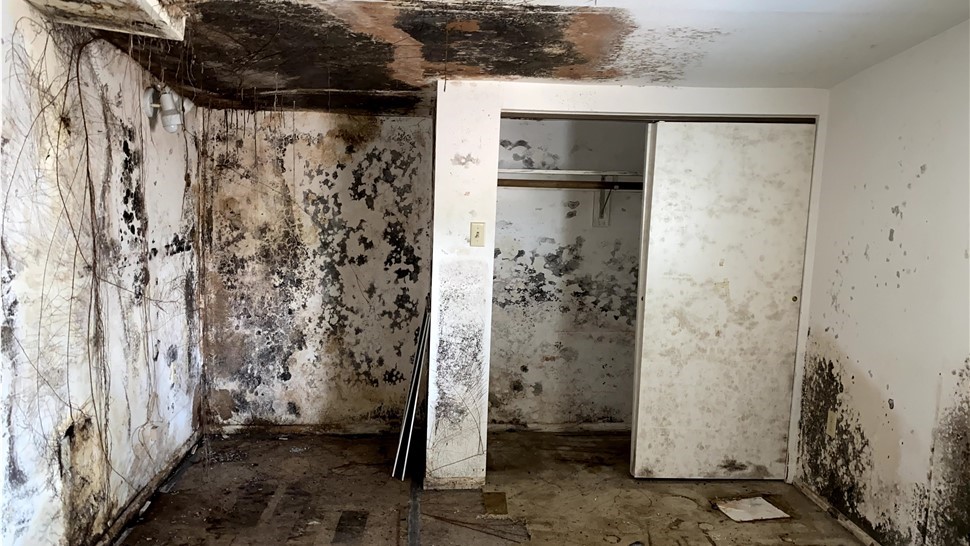
How Black Mold Removal Helps Homes in Lighthouse Point After Flooding
Flooding is one of the most common causes of serious mold problems in Lighthouse Point and nearby coastal communities. Heavy rain, storm surge, plumbing failures, and rising groundwater can all introduce moisture into homes. Even after visible water is removed, damp materials often remain, creating ideal conditions for mold growth—especially black mold.
For homeowners and property managers, understanding how black mold removal works and why it matters is essential. Addressing the problem quickly helps protect the home’s structure, indoor air quality, and long-term property value.
What Black Mold Problems Are
Black mold is a type of mold that thrives in damp environments and can grow on materials such as drywall, wood, carpeting, insulation, and ceiling tiles. After flooding, these materials absorb water quickly and may remain damp long after surfaces appear dry.
Mold growth typically begins when:
- Water is not fully dried within 24–48 hours
- Humidity levels remain high indoors
- Air circulation is limited
- Damp materials are left in place
Because mold often grows in hidden areas, it may spread before homeowners realize there is a problem.
Why Flooding Leads to Mold So Quickly in Lighthouse Point
Lighthouse Point’s coastal climate makes homes particularly vulnerable to mold after flooding.
High humidity levels
Even after water is removed, humid air slows the drying process and allows mold to develop.
Warm temperatures
Heat accelerates mold growth, especially in enclosed areas like wall cavities and attics.
Coastal building conditions
Many homes have ductwork in attics or crawl spaces where moisture can linger.
Frequent storms and heavy rains
Repeated moisture exposure increases the likelihood of hidden mold problems.
These same conditions affect nearby communities such as Pompano Beach, Deerfield Beach, and Fort Lauderdale, where flooding and humidity often combine.
Common Signs Homeowners Notice After Flooding
Mold growth is not always visible right away. Property owners often notice early warning signs such as:
- Musty or earthy odors
- Dark spots on walls, ceilings, or baseboards
- Peeling paint or warped drywall
- Persistent indoor humidity
- Allergy irritation or discomfort indoors
- Stains that appear days or weeks after flooding
These signs often indicate hidden moisture that requires professional inspection.
Hidden or Overlooked Sources of Mold After Flooding
After flooding, mold frequently develops in areas that are difficult to see.
Common hidden locations include:
- Behind drywall and insulation
- Beneath flooring and carpets
- Inside air ducts
- Around air handler units
- Inside cabinets and wall cavities
Moisture detection tools and thermal imaging are often required to locate these areas accurately.
Why DIY Black Mold Removal Usually Fails
Many homeowners attempt to clean mold using household cleaners or bleach. While this may remove surface staining, it rarely eliminates the underlying problem.
DIY removal often fails because:
- The moisture source remains unresolved
- Mold inside walls or ducts is missed
- Porous materials remain contaminated
- Airborne spores are not properly controlled
Without proper containment and drying, mold can spread to other areas of the home.
Professional Mold Inspection and Testing Explained
Before removal begins, a thorough inspection helps determine the extent of contamination and locate moisture sources.
A professional inspection may include:
- Visual examination of affected areas
- Moisture meter readings
- Thermal imaging to detect hidden moisture
- Inspection of HVAC systems and ducts
- Air or surface testing when needed
Professionals familiar with Lighthouse Point homes understand how flooding and humidity interact, helping them identify problem areas efficiently.
Companies such as Pompano Mold Inspection and Testing often find mold in areas homeowners would not expect, especially after even minor flooding.
Proper Black Mold Removal and Remediation Process
Professional mold remediation is a structured process designed to remove contamination safely and prevent recurrence.
Typical steps include:
- Identifying and correcting the moisture source
- Containing affected areas to prevent cross-contamination
- Removing contaminated materials when necessary
- Cleaning and treating surfaces
- Thorough drying and post-remediation verification
Drying and moisture control are critical steps that help ensure mold does not return.
Flood Restoration and Water Damage Repair
Black mold removal often goes hand in hand with flood restoration. Even small amounts of water can damage materials and create long-term moisture problems.
Flood restoration may involve:
- Water extraction
- Structural drying with specialized equipment
- Cleaning and sanitizing surfaces
- Repairing drywall, flooring, or insulation
- Follow-up moisture testing
Prompt restoration greatly reduces the likelihood of mold growth.
Air Ducts, AC Systems, and Mold After Flooding
HVAC systems are often affected after flooding, even if water does not directly reach them. High humidity and damp air can lead to condensation inside ducts and air handlers.
Common HVAC-related concerns include:
- Moisture inside duct insulation
- Dust combined with humidity forming contamination
- Clogged AC drain lines
- Reduced airflow and increased humidity indoors
Air duct cleaning and AC moisture repair may be recommended when contamination or debris buildup is present.
Homes in Margate and Coconut Creek frequently experience similar duct-related issues after storms, especially when attic humidity rises.
How to Prevent Mold After Flooding
Preventing mold after flooding requires quick action and consistent maintenance.
Homeowners can reduce risk by:
- Removing standing water as soon as possible
- Drying affected areas within 24–48 hours
- Running dehumidifiers and fans
- Disposing of heavily damaged materials
- Scheduling moisture inspections
- Maintaining HVAC systems regularly
Early action significantly reduces long-term damage.
Why Local Experience Matters
Flood-related mold problems in coastal South Florida are different from those in other regions. Local professionals understand:
- How coastal humidity affects drying time
- Where mold commonly develops in local homes
- How storms influence attic and duct conditions
- The importance of rapid moisture control
Experience working in Lighthouse Point, Pompano Beach, and Lauderdale-by-the-Sea allows professionals to identify problems quickly and recommend effective solutions.
A Practical Next Step for Homeowners
After flooding, it’s easy to assume the problem is resolved once water is removed. However, hidden moisture can remain and lead to mold growth days or weeks later.
A professional inspection helps identify moisture early, evaluate HVAC systems, and determine whether mold removal is necessary.
Homeowners throughout Lighthouse Point and surrounding Broward County communities often rely on experienced local companies such as Pompano Mold Inspection and Testing to inspect properties, detect hidden moisture, and provide practical solutions that help restore safe indoor conditions after flooding.