

How Indoor Air Quality Improvement Helps Homes in Deerfield Beach after Plumbing Leaks
Plumbing leaks are a common issue for homes in Deerfield Beach, and their impact often extends far beyond visible water damage. While leaks may start under sinks, behind walls, or beneath slab foundations, the moisture they introduce can quietly affect indoor air quality throughout the home. In South Florida’s warm, humid climate, even small leaks can lead to lingering moisture, odors, and air quality concerns if they are not addressed properly. Improving indoor air quality after plumbing leaks plays a key role in restoring comfort, protecting the home, and preventing long-term problems.
In many Deerfield Beach homes, plumbing leaks are discovered only after secondary issues appear. Musty smells, increased humidity, or respiratory discomfort often trace back to moisture that was never fully addressed. Understanding how indoor air quality improvement fits into recovery after plumbing leaks helps homeowners take a more complete and effective approach.
How Plumbing Leaks Affect Indoor Air Quality
When a plumbing leak occurs, water does not always stay contained. It can soak into drywall, insulation, wood framing, flooring, and cabinetry. These materials absorb moisture and release it slowly into the air, raising indoor humidity levels long after the leak is repaired.
Elevated humidity affects indoor air quality by creating conditions where odors linger and airborne particles behave differently. Moist air feels heavier and often carries musty smells associated with damp materials. Over time, this environment supports mold growth, which further impacts air quality by releasing spores into the air.
In Deerfield Beach homes, where humidity is already high, plumbing-related moisture adds to an existing challenge, making indoor air quality improvement especially important after leaks.
Why Deerfield Beach Homes Are More Vulnerable after Leaks
Deerfield Beach shares many of the same environmental factors as surrounding Broward County communities. High humidity, frequent rain, and year-round air conditioning use all influence how moisture behaves indoors. Once water enters building materials, drying can take much longer than homeowners expect.
Many homes in the area are built on slab foundations. Plumbing leaks beneath slabs are particularly problematic because moisture can spread upward into flooring and walls without obvious signs. This slow, hidden moisture release often affects indoor air quality before visible damage appears.
Nearby areas such as Pompano Beach, Lighthouse Point, and Coconut Creek experience similar issues, but localized construction styles and drainage patterns can make Deerfield Beach homes especially sensitive to lingering moisture.
Early Air Quality Changes after Plumbing Leaks
Indoor air quality issues often appear before homeowners realize there is still moisture present. One of the earliest signs is a persistent musty or damp odor that does not go away even after cleaning. This smell usually indicates moisture trapped in materials.
Homeowners may also notice that the air feels humid or stale, especially in rooms near the leak. Increased condensation on windows or vents is another common sign. In some cases, occupants experience discomfort such as headaches or irritation, prompting concern about air quality.
These changes are signals that moisture is still affecting the indoor environment and that air quality improvement measures may be needed.
Hidden Moisture and Its Impact on Air Quality
Hidden moisture is one of the biggest challenges after plumbing leaks. Water can remain inside walls, under floors, and behind cabinets long after surfaces appear dry. This trapped moisture continuously releases humidity into the air.
As moisture lingers, materials may begin to deteriorate and support mold growth. Mold does not need to be visible to affect air quality. Even small amounts growing behind walls or under flooring can release particles into the air through gaps, vents, or duct systems.
Without addressing this hidden moisture, air quality problems often persist or return even after repairs are completed.
Why Fixing the Leak Alone Is Not Enough
Repairing the plumbing leak is a critical first step, but it does not automatically restore indoor air quality. Once water has entered building materials, simply stopping the leak does not remove the moisture that remains.
Many homeowners assume that air conditioning will take care of drying and air quality on its own. While AC systems help reduce humidity, they are not designed to remove moisture trapped inside walls or floors. Without targeted drying and air quality measures, problems often continue.
Indoor air quality improvement addresses the aftereffects of plumbing leaks by focusing on moisture removal, airflow, and contaminant reduction.
Role of Moisture Detection after Plumbing Leaks
Improving indoor air quality starts with understanding where moisture remains. Moisture detection tools are used to identify damp areas that are not visible. These tools help pinpoint moisture inside walls, ceilings, floors, and around plumbing pathways.
In Deerfield Beach homes, moisture detection often focuses on bathrooms, kitchens, laundry rooms, and slab edges. Identifying hidden moisture allows for targeted drying and prevents unnecessary disruption.
Without moisture detection, air quality efforts may miss the root cause, allowing humidity and odors to persist.
How Drying and Dehumidification Improve Air Quality
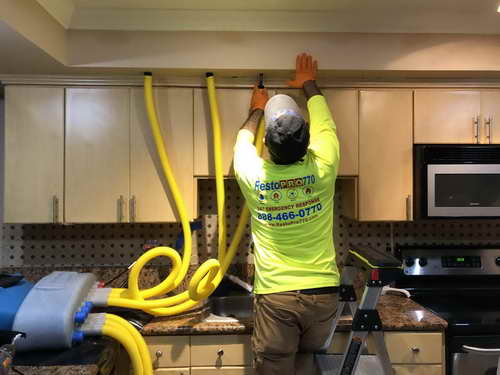
Proper drying is one of the most effective ways to improve indoor air quality after plumbing leaks. Removing moisture from building materials reduces humidity at its source rather than just masking symptoms.
Dehumidification helps balance indoor moisture levels and prevents damp air from circulating through the home. When materials are fully dried, musty odors often fade and the indoor environment becomes more comfortable.
In humid Florida conditions, controlled drying is especially important. Relying on natural drying alone often leaves residual moisture behind.
Air Ducts, HVAC Systems, and Leak-Related Air Issues
Plumbing leaks can indirectly affect HVAC systems and air ducts. Moisture near ductwork or air handlers can introduce damp air into the system. If ducts run through areas affected by leaks, they may collect condensation or absorb moisture from surrounding materials.
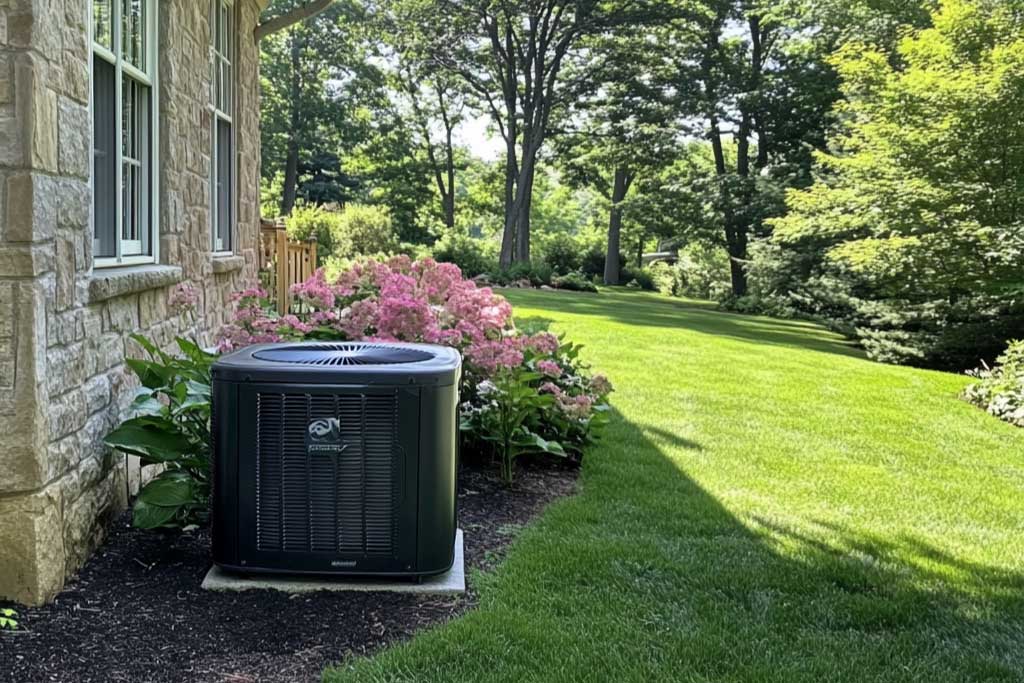
Once the HVAC system runs, it can distribute moisture-related odors or contaminants throughout the home. Inspecting ductwork and HVAC components is an important part of indoor air quality improvement after plumbing leaks.
Air duct cleaning and addressing AC-related moisture issues help restore cleaner airflow and reduce the spread of moisture-related particles.
Connection Between Indoor Air Quality and Mold Prevention
Indoor air quality improvement plays a major role in mold prevention. Mold requires moisture to grow, and high indoor humidity supports its development. By removing moisture and improving airflow, the conditions mold needs are eliminated.
When moisture is controlled, the risk of hidden mold growth decreases significantly. Improving air quality also helps reduce the spread of mold spores if growth was present before the leak was discovered.
Addressing air quality early often prevents the need for more extensive mold remediation later.
Water Damage Repair and Air Quality Recovery
Indoor air quality improvement is most effective when combined with proper water damage repair. Damaged drywall, insulation, or flooring that cannot be dried may need to be removed and replaced. Leaving compromised materials in place continues to affect air quality.
Water damage repair ensures that moisture sources are fully addressed and that new materials are installed in a dry environment. This supports long-term air quality improvement and reduces the risk of recurring issues.
Preventing Future Air Quality Problems after Plumbing Leaks
Prevention starts with early detection. Addressing small plumbing leaks promptly limits how much moisture enters the home. Regular inspection of plumbing fixtures, under-sink areas, and appliance connections helps catch problems early.
Maintaining AC systems, clearing drain lines, and monitoring indoor humidity levels also support better air quality. After any plumbing leak, checking for lingering moisture ensures that air quality issues do not develop later.
Why Local Experience Matters
Indoor air quality improvement after plumbing leaks in Deerfield Beach requires local knowledge. Florida’s humidity, construction styles, and common plumbing layouts all influence how moisture affects air quality. Understanding these factors helps ensure solutions are effective and appropriate for the environment.
Pompano Mold Inspection and Testing brings that regional experience to indoor air quality improvement, moisture detection, mold inspection, and water-related services throughout Deerfield Beach, Pompano Beach, Lighthouse Point, Coconut Creek, Margate, North Lauderdale, Fort Lauderdale, and surrounding Broward County communities.
A Healthier Home after Plumbing Leaks
Plumbing leaks do not end when the water stops. Their impact on indoor air quality can linger if moisture is not fully addressed. Improving indoor air quality after plumbing leaks helps Deerfield Beach homeowners restore comfort, reduce humidity, and protect their homes from future problems. A complete approach that includes moisture detection, drying, and airflow improvement ensures that the home truly recovers from water-related damage.
