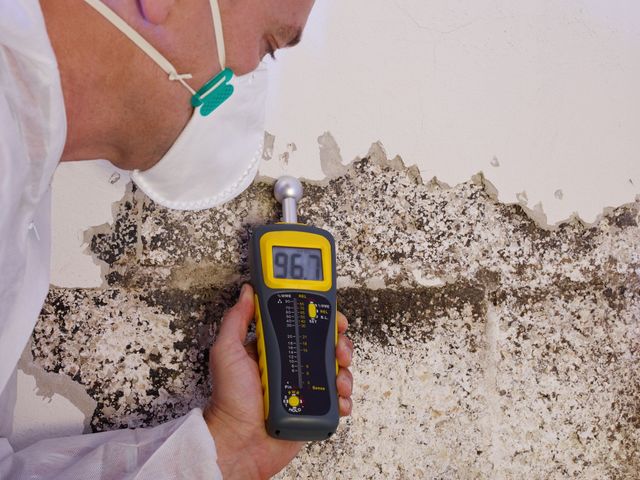
Flooding is a reality for many homes in Lauderdale-by-the-Sea. With its close proximity to the ocean, low-lying neighborhoods, and exposure to heavy seasonal storms, water intrusion can happen quickly and sometimes unexpectedly. While visible water damage often gets immediate attention, one of the most serious long-term risks after flooding is mold growth. This is where professional mold inspection plays a critical role in protecting homes, property value, and indoor air quality.
For homeowners and property managers in Lauderdale-by-the-Sea, understanding how mold inspection helps after flooding can make the difference between a smooth recovery and ongoing moisture-related problems.
Understanding Mold Issues After Flooding
Mold is a natural organism that thrives in damp, humid environments. After flooding, moisture can remain trapped inside walls, floors, insulation, and building materials long after standing water is removed. In coastal areas like Lauderdale-by-the-Sea, high humidity levels accelerate this process, allowing mold colonies to begin forming within 24 to 48 hours.
Floodwater doesn’t need to be dramatic to cause problems. Even minor water intrusion from storm surge, wind-driven rain, or overwhelmed drainage systems can create the conditions mold needs to grow. Mold inspection focuses on identifying these hidden moisture zones before mold spreads extensively.
Why Flooding-Related Mold Is Common in Lauderdale-by-the-Sea
Lauderdale-by-the-Sea homes face unique environmental challenges that increase mold risk after flooding:
- Coastal humidity keeps materials from drying quickly
- Salt air can affect building materials and HVAC components
- Flat terrain increases the likelihood of water pooling
- Older homes may have less effective moisture barriers
- Slab foundations can trap water beneath flooring
Nearby communities like Pompano Beach, Fort Lauderdale, and Lauderdale-by-the-Sea often experience similar flooding patterns, especially during hurricane season and heavy summer rains. Without proper inspection, moisture damage can remain hidden while mold continues to grow.
Common Signs Homeowners Notice After Flooding
Some mold problems are obvious, while others are subtle and easy to overlook. After flooding, homeowners in Lauderdale-by-the-Sea may notice:
- Persistent musty or earthy odors
- Discoloration on walls, ceilings, or baseboards
- Warped flooring or bubbling paint
- Increased allergy-like symptoms indoors
- AC systems running constantly but feeling ineffective
These signs often appear weeks after flooding, once moisture has had time to affect structural materials. A professional mold inspection helps confirm whether mold is present and identifies where it’s coming from.
Hidden and Overlooked Sources of Moisture
One of the biggest challenges after flooding is moisture that isn’t visible. Mold inspections frequently uncover problems in areas homeowners don’t regularly access, such as:
- Inside wall cavities behind drywall
- Beneath tile, laminate, or carpet
- Inside attics where humid air accumulates
- Around AC air handlers and ductwork
- Under cabinets and behind appliances
In Lauderdale-by-the-Sea homes, AC condensation combined with flood moisture often creates ideal conditions for mold growth in ducts and air handlers. These hidden sources can spread mold spores throughout the home if left unaddressed.
Why DIY Mold Cleanup Usually Falls Short
After flooding, many homeowners attempt to clean visible mold with household cleaners or bleach. While this may improve surface appearance, it rarely addresses the root of the problem.
DIY methods often fail because they:
- Do not remove moisture trapped behind surfaces
- Miss hidden mold colonies
- Spread spores during improper cleaning
- Ignore underlying water damage
Without professional moisture detection and testing, mold often returns—sometimes worse than before. Mold inspection ensures that cleanup efforts are based on accurate information, not guesswork.
How Professional Mold Inspection and Testing Works
A professional mold inspection after flooding is a systematic process designed to locate moisture, identify mold presence, and determine the extent of contamination.
This typically includes:
- Visual inspection of flood-affected areas
- Moisture detection using specialized equipment
- Infrared scanning to locate hidden damp spots
- Mold sampling when necessary
- Evaluation of ventilation and AC systems
Local companies such as Pompano Mold Inspection and Testing understand the specific building styles and flood patterns common in Lauderdale-by-the-Sea and surrounding Broward County areas. This local experience helps inspectors focus on the most vulnerable areas first.
Proper Mold Removal and Remediation After Flooding
Once mold is identified, remediation must be handled carefully to prevent cross-contamination. Proper mold remediation after flooding may involve:
- Containment of affected areas
- Removal of contaminated materials
- Professional mold cleaning and mold removal
- Drying and dehumidification
- Post-remediation verification
In flood-prone coastal homes, remediation often works hand-in-hand with moisture control to ensure mold does not return.
Flood Restoration and Water Damage Repair
Mold inspection is closely connected to flood restoration and water damage repair. Without addressing water intrusion issues, mold remediation alone is not enough.
Flood restoration services may include:
- Water removal and extraction
- Structural drying
- Repair of water-damaged materials
- Leak detection and correction
- Moisture control improvements
Homes in Lauderdale-by-the-Sea often benefit from comprehensive restoration that includes both water damage repair and mold inspection to ensure long-term protection.
The Role of Air Ducts and AC Systems in Mold Spread
After flooding, air ducts and AC systems can become major contributors to mold problems. Moisture in ductwork allows mold spores to circulate throughout the home, affecting indoor air quality.
Mold inspections frequently reveal issues such as:
- Mold inside air ducts
- Moisture buildup near air handlers
- Condensation caused by poor insulation
- Blocked or dirty drain lines
Air duct cleaning and AC-related moisture repairs are often necessary parts of post-flood mold prevention in coastal Florida homes.
Preventing Mold in Lauderdale-by-the-Sea Homes After Flooding
Prevention starts with awareness and proactive maintenance. Homeowners can reduce mold risk by:
- Scheduling mold inspection after any flooding event
- Running dehumidifiers during drying periods
- Ensuring proper ventilation
- Addressing AC condensation issues quickly
- Repairing leaks and drainage problems
Routine inspections and maintenance are especially important for vacation homes and rental properties that may sit unoccupied for long periods.
Why Local Experience Makes a Difference
Flood-related mold issues in Lauderdale-by-the-Sea are not the same as those in inland or cooler climates. Local professionals understand how coastal humidity, salt air, and storm patterns affect homes in this area.
Companies with experience serving Lauderdale-by-the-Sea, Pompano Beach, Deerfield Beach, Lighthouse Point, Margate, Coconut Creek, North Lauderdale, and Fort Lauderdale bring valuable insight into where problems typically occur and how to address them effectively.
A Calm, Practical Next Step After Flooding
If your Lauderdale-by-the-Sea home has experienced flooding, mold inspection is one of the most important steps you can take once water is removed. It provides clarity, identifies hidden risks, and helps guide proper restoration.
Working with an experienced local company like Pompano Mold Inspection and Testing allows homeowners and property managers to move forward with confidence, knowing that moisture and mold concerns have been thoroughly evaluated and addressed with long-term protection in mind.