

How Mold Removal Helps Homes in Coconut Creek From AC Condensation
In Coconut Creek, air conditioning systems run almost nonstop for much of the year. While AC keeps homes comfortable, it also removes large amounts of moisture from indoor air. When that moisture is not managed properly, condensation builds up in places homeowners rarely see. Over time, this excess moisture becomes one of the leading causes of mold growth inside Coconut Creek homes.
This guide explains how AC condensation leads to mold problems, why this issue is so common locally, and how professional mold removal helps protect homes from ongoing damage.
Understanding AC Condensation in South Florida Homes
Every air conditioner produces condensation as it cools warm, humid air. Moisture collects on the evaporator coil and is designed to drain safely away through the condensate system. When everything is working properly, homeowners never notice this process.
Problems begin when drain lines clog, drain pans crack, insulation becomes saturated, or airflow is restricted. When condensation cannot drain correctly, moisture escapes into walls, ceilings, floors, and ductwork. In Coconut Creek’s humid climate, that moisture rarely dries on its own.
Why AC Condensation Issues Are Common in Coconut Creek
Coconut Creek homes face constant exposure to high humidity. AC systems run longer and harder, producing more condensation than in drier climates. Many homes share construction styles with nearby Margate, North Lauderdale, and Coral Springs, including slab foundations and tightly sealed interiors that trap moisture indoors.
AC units are often installed in closets, attics, or utility spaces where leaks go unnoticed. Over time, small condensation issues become chronic moisture problems, creating ideal conditions for mold growth.
Common AC-Related Moisture Problems That Lead to Mold
Mold growth linked to AC condensation usually starts with one or more of the following issues:
Clogged condensate drain lines
Overflowing or cracked drain pans
Frozen evaporator coils
Dirty air filters restricting airflow
Improper drain line slope
Damaged or missing duct insulation
Condensation buildup inside air ducts
These problems allow moisture to spread beyond the AC system and into surrounding building materials.
Early Signs of Mold From AC Condensation
Mold caused by AC condensation often develops quietly. Homeowners in Coconut Creek may first notice:
Musty odors when the AC runs
Water stains near AC closets or ceilings
Soft or sagging drywall
Persistent indoor humidity
Mold growth near vents or air handlers
Uneven cooling or stale air
Recurring condensation around ducts
These signs indicate moisture has been present long enough for mold to develop.
Hidden Mold Growth Caused by AC Moisture
One of the biggest challenges with AC-related mold is that it often grows out of sight. Mold commonly develops behind drywall near air handlers, inside insulation, beneath flooring, and within ductwork.
Because these areas are hidden, mold can spread extensively before it becomes visible. By the time surface mold appears, there is often additional growth elsewhere in the home.
Why Cleaning or Drying Alone Is Not Enough
Some homeowners attempt to address mold by cleaning visible areas or drying moisture with fans. While this may improve appearance temporarily, it does not resolve the underlying problem.
Mold grows within materials, not just on the surface. Without removing affected materials and addressing the moisture source, mold will continue to return. AC condensation issues must be corrected alongside mold removal for lasting results.
How Professional Mold Removal Addresses AC Condensation Issues
Professional mold removal begins with identifying both the mold growth and the moisture source. This includes inspecting the AC system, drain lines, ductwork, and surrounding building materials.
Affected materials are carefully removed or treated based on the extent of growth. Moisture detection tools help ensure hidden damp areas are identified. Once mold is removed, steps are taken to correct AC condensation problems so moisture does not return.
Pompano Mold Inspection and Testing regularly performs mold removal in Coconut Creek homes where AC condensation is the primary cause.
Mold Removal and Indoor Air Quality
AC-related mold growth often affects indoor air quality before homeowners realize mold is present. Spores released from mold inside ducts or near air handlers circulate throughout the home whenever the system runs.
Mold removal helps restore healthier indoor conditions by eliminating contamination sources. Addressing both mold and moisture improves airflow, reduces odors, and supports balanced humidity levels.
Mold Removal in Homes With Duct Condensation
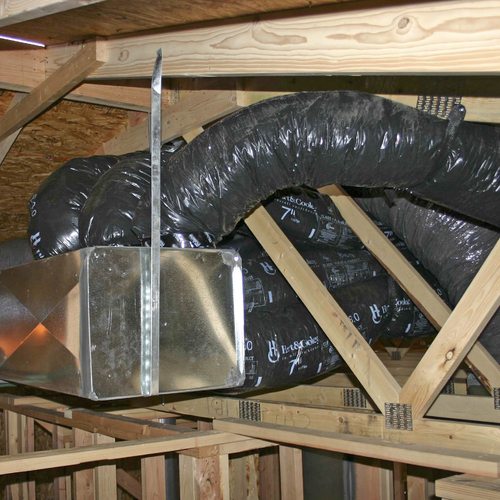
Ductwork is a common location for AC condensation problems. When ducts sweat or insulation is damaged, moisture collects inside the system. Mold can then develop and spread through the air distribution network.
Mold removal in these cases may involve cleaning or treating duct interiors, removing contaminated insulation, and correcting airflow or insulation issues. This prevents continued moisture buildup and reduces the risk of recurring mold.
AC Condensation Mold in Rental and Multi-Unit Properties
Rental homes and multi-unit properties in Coconut Creek face added challenges. Tenants may not notice early moisture issues or may delay reporting them. AC systems may operate continuously, increasing condensation risk.
Mold removal helps property owners address existing growth and prevent repeat issues. Proper documentation also supports responsible property management and reduces future disputes.
Long-Term Benefits of Proper Mold Removal
Addressing mold caused by AC condensation provides long-term benefits beyond appearance. It protects drywall, insulation, and structural materials from continued deterioration. It also helps prevent recurring water damage and costly future repairs.
Homes with properly managed AC moisture systems experience fewer mold issues over time and maintain better overall indoor conditions.
Preventing Mold From AC Condensation in Coconut Creek Homes
While mold cannot be eliminated entirely, homeowners can reduce risk by managing AC moisture proactively.
Schedule regular AC maintenance
Keep condensate drain lines clear
Change air filters consistently
Inspect drain pans for damage
Monitor indoor humidity levels
Address condensation issues promptly
Inspect ducts and insulation periodically
Prevention is especially important in Coconut Creek’s humid environment.
Why Local Experience Matters
Mold removal related to AC condensation requires understanding how humidity, construction styles, and AC placement affect moisture behavior. Professionals familiar with Broward County homes know where AC moisture problems typically develop and how to address them effectively.
Pompano Mold Inspection and Testing brings that local experience to mold inspection, testing, and removal services throughout Coconut Creek and nearby communities.
A Practical Takeaway for Homeowners
AC condensation is a normal part of cooling, but when moisture is not managed properly, it becomes a serious problem. Mold growth is often the result of condensation issues that were hidden or ignored.
For Coconut Creek homeowners, professional mold removal combined with proper AC moisture repair helps restore indoor conditions and prevent recurring problems. Addressing both the mold and the moisture source is the most effective way to protect the home’s structure, air quality, and long-term value.