

Indoor Air Quality Improvement Solutions for Homes in North Lauderdale: Understanding the Process
Indoor air quality plays a major role in how comfortable and healthy a home feels, especially in humid South Florida communities like North Lauderdale. Many homeowners focus on temperature control, assuming that if the air conditioner is running, indoor conditions are under control. In reality, air quality problems often develop quietly, affecting comfort, odors, humidity levels, and overall living conditions without obvious warning signs.
In North Lauderdale and surrounding areas such as Margate, Coconut Creek, Pompano Beach, and Lauderdale-by-the-Sea, indoor air quality issues are commonly tied to moisture, ventilation problems, and contaminated HVAC systems. Understanding how indoor air quality improvement works helps homeowners identify problems early, correct them properly, and prevent recurring issues linked to humidity and poor airflow.
What Indoor Air Quality Really Means in Residential Homes
Indoor air quality refers to the condition of the air inside a home and how it impacts comfort and building health. It is influenced by humidity levels, airflow, ventilation, and the presence of contaminants such as dust, moisture, and airborne particles.
Air inside a home constantly circulates through HVAC systems, ductwork, and living spaces. When moisture or debris enters that cycle, it continues moving throughout the home. Over time, this buildup affects how the home smells, feels, and functions.
Improving indoor air quality focuses on controlling moisture, removing contaminants, and ensuring clean, balanced airflow throughout the house.
Why Indoor Air Quality Problems Are Common in North Lauderdale
North Lauderdale’s climate creates constant pressure on indoor air quality. High humidity levels persist for much of the year, making moisture control a daily challenge. Even small ventilation or drainage issues can lead to long-term air quality problems.
Homes rely heavily on air conditioning to manage heat and humidity. As AC systems run, they produce condensation. If condensate lines clog, insulation fails, or airflow becomes restricted, moisture escapes into walls, ceilings, and duct systems.
Slab foundations, tight construction, and limited natural ventilation further trap moisture indoors, allowing air quality problems to develop gradually.
Early Signs Indoor Air Quality Needs Attention
Many air quality problems begin with subtle signs. Homeowners may notice musty or stale odors that linger even after cleaning. Some rooms may feel more humid than others, or indoor air may feel heavy despite comfortable temperatures.
Excessive dust buildup, especially shortly after cleaning, often indicates dirty or contaminated ductwork. Condensation forming on vents or windows suggests elevated humidity levels. Uneven cooling or airflow may also signal HVAC-related air quality issues.
These signs are often dismissed individually, but together they point to underlying air quality problems.
Moisture as the Foundation of Most Air Quality Issues
Moisture is one of the primary drivers of poor indoor air quality in North Lauderdale homes. Condensation from AC systems, roof leaks, plumbing issues, or past water damage introduces moisture into materials and air systems.
Once moisture is present, dust and organic particles inside ducts, walls, and insulation begin to break down and release odors. Even without visible mold, damp conditions degrade air quality and contribute to discomfort.
In humid environments, moisture problems rarely resolve without targeted intervention.
Hidden Areas Where Air Quality Problems Start
Many indoor air quality issues originate in areas homeowners rarely see. Ductwork running through attics or walls can accumulate dust, moisture, and debris. Insulation inside ducts may become damp and contaminated.
Air handler closets, ceiling cavities, and wall interiors often trap moisture from condensation or leaks. Carpet padding, closets, and areas behind furniture may also hold moisture and contribute to odors.
Because these areas are hidden, professional inspection is often necessary to identify the source of air quality problems.
Why Surface Solutions Do Not Fix Air Quality Problems
Homeowners often try to address air quality issues with air fresheners, portable purifiers, or frequent cleaning. While these steps may mask symptoms temporarily, they do not address underlying causes.
Changing HVAC filters helps but does not remove moisture or contamination inside duct systems. Without moisture control and duct inspection, odors and discomfort return.
True indoor air quality improvement focuses on correcting root causes rather than covering up symptoms.
Professional Indoor Air Quality Inspection Explained
Indoor air quality improvement begins with inspection. Professionals evaluate HVAC systems, ductwork, ventilation design, and moisture-prone areas throughout the home.
Moisture detection tools are used to locate damp materials behind walls, under floors, and above ceilings. Inspectors assess airflow balance, humidity levels, and areas where contaminants may accumulate.
This assessment provides a clear understanding of what is affecting air quality and where improvements are needed.
The Indoor Air Quality Improvement Process
Improving indoor air quality follows a structured process. The first step is addressing moisture sources. This may involve repairing AC drainage issues, correcting insulation problems, or resolving roof or plumbing leaks.
Next, contaminated areas are cleaned or restored. Professional duct cleaning removes dust, debris, and moisture buildup from HVAC systems. In some cases, insulation or materials affected by moisture must be repaired or replaced.
Drying and dehumidification stabilize indoor humidity levels, preventing moisture from reaccumulating. Airflow adjustments ensure consistent circulation throughout the home.
Each step works together to restore balanced, clean indoor air.
The Role of Duct Cleaning in Air Quality Improvement
Air ducts play a central role in indoor air quality. As air circulates, contaminants inside ducts are redistributed throughout the home.
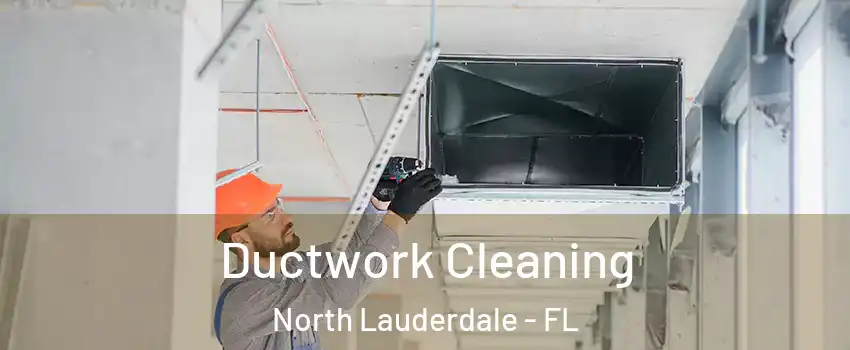
Professional duct cleaning removes accumulated debris and improves airflow. In homes with humidity issues, duct cleaning is most effective when paired with moisture control to prevent future contamination.
Clean ducts support fresher air, reduced odors, and more consistent comfort.
How HVAC Maintenance Supports Better Air Quality
HVAC systems are a major influence on indoor air quality. Poorly maintained systems contribute to moisture release, uneven airflow, and dust buildup.
Routine maintenance ensures condensate lines drain properly, coils remain clean, and insulation prevents condensation. Balanced airflow helps reduce humidity pockets and improves overall comfort.
Proper HVAC care is essential for lasting air quality improvement in North Lauderdale homes.
Preventing Future Indoor Air Quality Problems
Prevention focuses on consistency. Regular HVAC inspections, duct evaluations, and moisture checks help catch issues early. Keeping condensate lines clear and monitoring indoor humidity levels reduces risk.
After storms or water events, follow-up moisture inspections ensure materials are fully dry. Addressing small leaks promptly prevents long-term air quality degradation.
In humid climates, prevention is more effective than reactive solutions.
Why Local Experience Matters
Indoor air quality improvement in North Lauderdale requires understanding local humidity patterns, construction styles, and HVAC behavior. Local professionals recognize how slab foundations, attic conditions, and AC usage affect air quality.
Pompano Mold Inspection and Testing brings experience working throughout North Lauderdale, Margate, Coconut Creek, Pompano Beach, and surrounding Broward County communities. Local insight ensures air quality solutions address real environmental challenges rather than generic assumptions.
A Practical Perspective for Homeowners
Indoor air quality problems rarely resolve on their own. Early attention, proper inspection, and targeted improvements protect comfort and the condition of the home.
For North Lauderdale homeowners, understanding the indoor air quality improvement process provides clarity and control. By addressing moisture, cleaning air systems, and maintaining HVAC performance, homes remain comfortable, stable, and resilient in South Florida’s demanding climate.
