Lauderdale-by-the-Sea Indoor Air Quality Improvement after Heavy Rain: What Property Owners Should Know
Heavy rain is a regular part of life in Lauderdale-by-the-Sea, especially during storm season. While most property owners focus on visible water damage after a storm, one of the most overlooked consequences is the impact on indoor air quality. Moisture that lingers in walls, ceilings, and ventilation systems can quickly affect the air inside a home or commercial property, sometimes long before visible damage appears.
Understanding how heavy rain affects indoor air quality—and how improvement measures work—can help property owners protect their buildings, reduce odors, and prevent long-term problems.
What Indoor Air Quality Problems Are
Indoor air quality refers to the condition of the air inside a building and how it affects comfort and cleanliness. After heavy rain, indoor air quality often declines because moisture enters the structure and remains trapped in building materials or ventilation systems.
Common air quality problems following storms include:
- Excess humidity indoors
- Musty or damp odors
- Mold growth in hidden areas
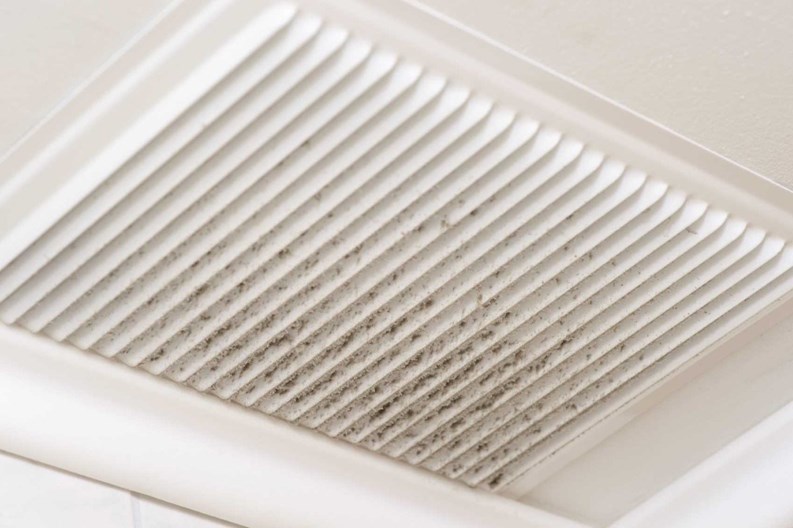
- Dust and debris in ducts
- Reduced airflow
When moisture is not removed properly, these conditions can persist for weeks or even months.
Why This Happens So Often in Lauderdale-by-the-Sea
Lauderdale-by-the-Sea has environmental conditions that make indoor air quality challenges more common after heavy rain.
Coastal humidity keeps moisture levels high even after storms pass. Materials that absorb water dry slowly in this environment.
Wind-driven rain can enter small gaps in roofing, siding, or windows, allowing water to seep into walls or ceilings.
Frequent air conditioning use can create condensation inside ducts or near air handlers, especially when humidity rises suddenly after rainfall.
Flat or low-slope roofing found in many properties may allow water to collect, increasing the risk of minor leaks that go unnoticed.
Nearby communities such as Pompano Beach, Fort Lauderdale, and Lighthouse Point face similar conditions because of their coastal location and seasonal weather patterns.
Common Signs Property Owners Notice
Indoor air quality issues often become noticeable through subtle changes in the building environment.
Property owners frequently report:
- Persistent musty smells after storms
- Damp or sticky indoor air
- Condensation on vents or windows
- Uneven cooling or airflow
- Dark spots around vents or ceiling areas
These signs often indicate that moisture remains trapped somewhere in the building.
Addressing these symptoms early helps prevent larger problems.
Hidden or Overlooked Sources
After heavy rain, moisture can accumulate in areas that are rarely inspected.
Common hidden sources include:
- Inside air ducts
- Above ceiling tiles
- Attic insulation
- Behind drywall
- Under flooring or carpeting
In coastal homes, attic spaces are particularly vulnerable. Warm air rising from living areas meets cooler roof surfaces, creating condensation that can soak insulation and wood framing.
Professional inspections often reveal moisture in these areas even when surfaces appear dry.
Why DIY Air Quality Fixes Usually Fail
Many property owners try to improve air quality by opening windows, running fans, or using household dehumidifiers. While these steps may provide temporary relief, they rarely address the root cause of moisture problems.
DIY methods often fall short because:
- Moisture inside walls or ducts remains
- Hidden mold growth is not detected
- Ventilation issues are not corrected
- Humidity levels are not properly measured
Without identifying and eliminating moisture sources, air quality problems often return.
Professional Indoor Air Quality Inspection & Testing Explained
A professional inspection is designed to evaluate both moisture conditions and airflow throughout a property.
Technicians typically:
- Measure indoor humidity levels
- Check walls and ceilings for hidden moisture
- Inspect HVAC systems and ducts
- Evaluate ventilation efficiency
- Perform air quality or mold testing when needed
Local specialists such as Pompano Mold Inspection and Testing are familiar with the moisture patterns and storm-related conditions common in Lauderdale-by-the-Sea and surrounding Broward County communities. Their experience helps ensure that inspections identify the real source of air quality problems rather than just the symptoms.
Testing provides clear information about what is affecting the indoor environment and what steps are needed to improve it.
Proper Mold Removal & Remediation Process
If mold is discovered during inspection, remediation may be necessary to restore indoor air quality.
The mold removal process generally includes:
- Containing affected areas to prevent spore spread
- Using air filtration to capture airborne particles
- Removing contaminated materials when needed
- Cleaning and treating surfaces
- Drying and correcting moisture sources
Correcting the source of moisture is essential. Without proper drying and ventilation improvements, mold can return even after thorough cleaning.
Flood Restoration & Water Damage Repair
Heavy rain sometimes leads to minor flooding or water intrusion that affects indoor air quality. Even small amounts of water trapped in building materials can lead to long-term problems.
Flood restoration and water damage repair may include:
- Water extraction
- Structural drying
- Removal of saturated materials
- Repairs to damaged surfaces
Proper drying is one of the most important steps in protecting indoor air quality after storms.
Air Ducts, AC Systems & Mold
Air conditioning systems play a major role in indoor air quality throughout South Florida. After heavy rain, ducts and air handlers may accumulate moisture, especially if filters or drain lines are not maintained.
Signs of duct-related air quality problems include:
- Musty odors when the AC operates
- Condensation around vents
- Dust buildup near registers
- Increased indoor humidity
Duct cleaning and HVAC maintenance are often recommended after moisture events to restore proper airflow and reduce contaminants.
How to Prevent Indoor Air Quality Problems After Heavy Rain
Preventive maintenance is one of the most effective ways to protect indoor air quality.
Practical steps include:
- Inspecting roofs and gutters regularly
- Cleaning AC drain lines
- Using exhaust fans in kitchens and bathrooms
- Monitoring indoor humidity levels
- Scheduling periodic inspections of HVAC systems
Homes in Coconut Creek, Margate, and North Lauderdale benefit from these same preventive practices, especially during storm season.
Routine maintenance reduces the likelihood of hidden moisture problems developing after heavy rain.
Why Local Experience Matters
Indoor air quality improvement in coastal Florida requires an understanding of regional conditions. High humidity, salt air, and frequent storms create challenges that differ from other climates.
Local professionals understand:
- Seasonal moisture patterns
- Ventilation challenges in coastal homes
- Common construction features in Broward County
- Drying requirements in humid environments
Experienced companies such as Pompano Mold Inspection and Testing use this knowledge to identify problems accurately and recommend solutions that work in local conditions.
A Calm, Practical Next Step
Indoor air quality problems after heavy rain are common in Lauderdale-by-the-Sea, but they are manageable when addressed promptly. Early inspection, proper drying, and improved ventilation help prevent mold growth and maintain a comfortable indoor environment.
Property owners who pay attention to musty odors, humidity, or signs of moisture can often resolve issues before they become serious. With consistent maintenance and timely inspections, homes and buildings throughout Lauderdale-by-the-Sea and surrounding Broward County communities can remain clean, dry, and healthy year-round.