

Lighthouse Point AC Moisture Repair After Plumbing Leaks: Costs, Causes, and Solutions
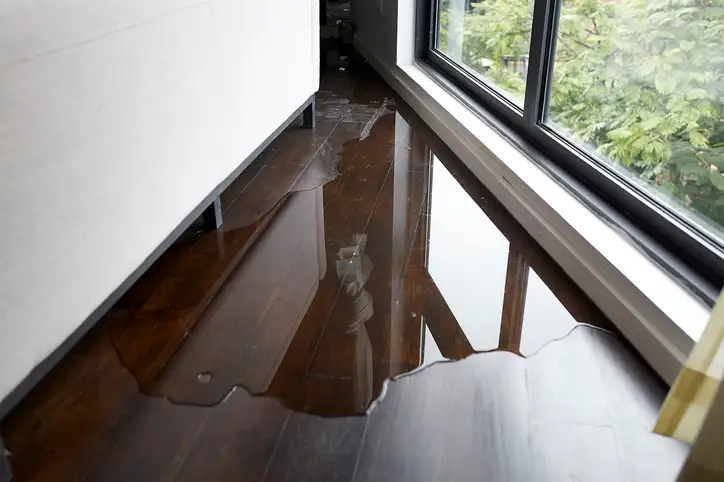
Plumbing leaks and air conditioning systems are more closely connected than many Lighthouse Point homeowners realize. When plumbing leaks occur near AC components, moisture problems often extend beyond the original leak area. In a coastal, high-humidity environment, this combination can quickly lead to water damage, mold risk, and costly repairs if not handled properly.
This guide explains how plumbing leaks affect AC systems in Lighthouse Point homes, what causes AC-related moisture problems, what repair costs typically involve, and how professional solutions help prevent long-term damage.
How Plumbing Leaks Trigger AC Moisture Problems
Plumbing leaks rarely stay isolated. Water escaping from supply lines, drain pipes, or fixtures often spreads into walls, ceilings, and floors. In many Lighthouse Point homes, AC air handlers are installed in closets, utility rooms, or attics near plumbing lines.
When a plumbing leak occurs nearby, moisture can reach the AC drain pan, insulation, or duct connections. Wet insulation increases condensation, while standing water can overwhelm drain systems. Even after the plumbing issue is repaired, moisture may remain trapped around AC components, continuing to cause problems.
Why This Happens So Often in Lighthouse Point
Lighthouse Point’s coastal location plays a major role. High humidity keeps indoor air moist, slowing natural drying. Salt air accelerates corrosion of metal components, including AC drain pans and fasteners. Homes near waterways often experience higher moisture levels year-round.
Many properties share construction styles with nearby Fort Lauderdale and Lauderdale-by-the-Sea, including slab foundations and tightly sealed interiors. These features make moisture control more challenging. When plumbing leaks occur, AC systems are often affected because they are already working hard to manage humidity.
Common Causes of AC Moisture Issues After Leaks
Plumbing leaks can lead to several AC-related moisture problems, including:
Water pooling in or around the AC drain pan
Saturated insulation near the air handler
Clogged condensate drain lines from debris or sediment
Improper drainage due to shifted components
Increased condensation on coils and ductwork
Corrosion or cracking of drain pans
Moisture intrusion into nearby air ducts
Each of these issues can persist long after the plumbing repair if moisture is not addressed properly.
Early Warning Signs Homeowners Should Watch For
After a plumbing leak, AC moisture issues often reveal themselves through subtle signs. Homeowners in Lighthouse Point should pay attention to:
Water stains near AC closets or ceilings
Musty odors when the AC runs
Dripping or pooling water around the unit
Soft or sagging drywall near vents
Excessive indoor humidity
Mold growth near air handlers or ducts
AC shutting off unexpectedly
These signs indicate moisture is affecting the system and surrounding materials.
Hidden Damage Caused by Combined Plumbing and AC Leaks
One of the biggest risks is hidden damage. Moisture often spreads behind walls, above ceilings, and inside insulation. AC ductwork running through attics or walls can trap condensation and distribute damp air throughout the home.
Because these areas are not visible, damage may progress unnoticed. Over time, materials lose strength, odors develop, and mold risk increases. Addressing visible water alone does not resolve these hidden issues.
Why DIY Drying and Repairs Usually Fail
Homeowners sometimes attempt to dry areas with fans or clear drain lines themselves. While these steps may help temporarily, they rarely address the full scope of the problem.
Clearing a drain line does not fix saturated insulation or damaged drain pans. Drying visible surfaces does not remove moisture trapped inside walls or ducts. Without moisture detection tools, hidden damp areas remain, allowing problems to return.
How Professional AC Moisture Repair Works
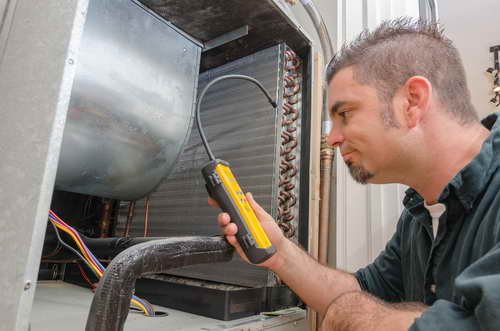
Professional AC moisture repair begins with identifying both the plumbing-related moisture source and the AC components affected. Inspectors evaluate the air handler, drain pan, condensate line, insulation, and nearby building materials.
Moisture detection tools help locate damp areas beyond visible damage. Once the cause is corrected, professional drying and dehumidification may be used to remove trapped moisture. Repairs focus on restoring proper drainage, airflow, and humidity control.
Pompano Mold Inspection and Testing regularly assists Lighthouse Point homeowners by identifying AC moisture problems linked to plumbing leaks and ensuring affected areas are properly dried and repaired.
Understanding the Costs Involved
The cost of AC moisture repair after plumbing leaks varies depending on several factors. These include the extent of moisture spread, whether insulation or drywall is affected, and whether AC components require repair or replacement.
Minor issues, such as clearing drain lines and drying localized moisture, are typically less costly. More extensive damage involving insulation removal, duct drying, or drain pan replacement increases repair costs. Addressing problems early usually keeps expenses significantly lower than delayed repairs.
The Link Between AC Moisture and Mold Risk
In Lighthouse Point’s humid climate, mold can begin developing within 24 to 48 hours after moisture exposure. Combined plumbing and AC moisture issues are especially risky because water often remains hidden.
Mold commonly grows behind walls, inside insulation, or within ductwork connected to the AC system. Proper moisture repair significantly reduces mold risk. If moisture was present for an extended period, mold inspection and testing may be recommended to ensure conditions are safe.
AC Moisture Repair in Waterfront and Rental Homes
Waterfront homes and rental properties in Lighthouse Point face added challenges. Higher humidity, salt exposure, and tenant turnover increase the likelihood that moisture issues go unnoticed.
AC moisture repair after plumbing leaks helps property owners avoid recurring complaints, extended vacancies, and larger restoration projects. Proper documentation also supports responsible property management.
Preventing Future AC Moisture Problems
Homeowners can reduce the risk of future AC moisture issues by staying proactive.
Schedule regular AC maintenance
Keep condensate drain lines clear
Inspect drain pans for corrosion
Address plumbing leaks immediately
Monitor indoor humidity levels
Inspect AC areas after storms or leaks
Replace damaged insulation promptly
These steps are especially important in coastal environments.
Why Local Experience Matters
AC moisture repair in Lighthouse Point requires understanding how coastal humidity, salt air, and construction styles affect moisture behavior. Professionals familiar with Broward County homes know where AC and plumbing issues typically overlap and how to resolve them effectively.
Pompano Mold Inspection and Testing brings that local experience to moisture detection, AC-related inspections, and repair planning throughout Lighthouse Point and surrounding communities.
A Practical Takeaway for Homeowners
Plumbing leaks and AC moisture problems often go hand in hand. Fixing the pipe alone is not enough if moisture remains inside the home. Proper AC moisture repair protects the structure, improves indoor conditions, and helps prevent mold growth.
For Lighthouse Point homeowners, understanding the causes, costs, and solutions allows for timely action and informed decisions. Addressing AC moisture issues early after plumbing leaks is one of the most effective ways to protect your home’s comfort and long-term value.