Lighthouse Point Water Testing After Plumbing Leaks: Understanding the Process
Plumbing leaks are one of the most common causes of hidden moisture in homes across Lighthouse Point. While a burst pipe or visible leak may be repaired quickly, the water that seeps into walls, flooring, or cabinetry often remains long after the source is fixed. Without proper testing and drying, this trapped moisture can lead to structural damage, persistent odors, and conditions where mold may develop.
Water testing after plumbing leaks helps homeowners, landlords, and property managers understand the extent of moisture intrusion and take the right steps to protect their property.
What Happens After a Plumbing Leak
When water escapes from pipes, supply lines, or fixtures, it rarely stays in one place. It can travel along framing, soak into drywall, and spread beneath flooring. Even a slow leak under a sink can cause significant moisture buildup over time.
In Lighthouse Point homes, plumbing-related moisture problems commonly affect:
- Kitchen cabinets and flooring
- Bathroom walls and vanities
- Laundry rooms
- Water heater closets
- Areas behind appliances
- Ceiling cavities below upstairs bathrooms
Because these areas are often enclosed, moisture may remain undetected for days or even weeks.
Why Plumbing Leaks Are a Serious Concern in Lighthouse Point
Lighthouse Point and nearby communities such as Pompano Beach, Deerfield Beach, Margate, Coconut Creek, North Lauderdale, Lauderdale-by-the-Sea, and Fort Lauderdale experience warm temperatures and high humidity for much of the year. These conditions slow drying and increase the likelihood of moisture-related damage.
Several factors make plumbing leaks more problematic in this region:
- High humidity that slows evaporation
- Warm indoor temperatures that encourage microbial growth
- Continuous use of air conditioning systems
- Older plumbing components in some homes
- Enclosed cabinetry and wall cavities that trap moisture
Because drying takes longer in humid climates, water testing becomes especially important after leaks.
Early Signs of Hidden Moisture After Plumbing Leaks
After a plumbing leak is repaired, homeowners sometimes assume the problem is resolved. However, hidden moisture may still be present. Warning signs to watch for include:
- Musty or damp odors
- Warped baseboards or cabinet panels
- Peeling paint or bubbling drywall
- Discoloration on walls or ceilings
- Soft or uneven flooring
- Persistent humidity in specific rooms
These signs often indicate that moisture remains trapped in building materials.
Hidden Areas Where Moisture Often Remains
Water testing frequently reveals moisture in areas that are not visible during routine cleaning. Common hidden locations include:
- Behind bathroom or kitchen walls
- Under tile or laminate flooring
- Inside cabinet bases
- Beneath carpet padding
- Around plumbing penetrations in walls
- Inside ceiling cavities below leaking pipes
Because these areas remain sealed, moisture can persist long after surfaces appear dry.
Why Visual Inspection Is Not Enough
A room may look dry even when moisture is still present inside walls or flooring. Visual inspection alone cannot determine how far water has spread or whether materials are fully dry.
Limitations of visual checks include:
- Hidden dampness behind drywall
- Moisture trapped under flooring
- Insulation holding water without visible staining
- Slow leaks that leave minimal surface evidence
Professional testing provides a clearer and more accurate assessment.
Understanding the Water Testing Process
Water testing and moisture detection follow a systematic approach designed to identify both visible and hidden moisture.
Initial Consultation
The process begins with discussing when the leak occurred, how long it lasted, and which areas were affected. This helps determine where testing should focus.
Visual Inspection
Inspectors examine plumbing areas, cabinets, baseboards, and nearby walls for signs of moisture or material changes.
Moisture Detection
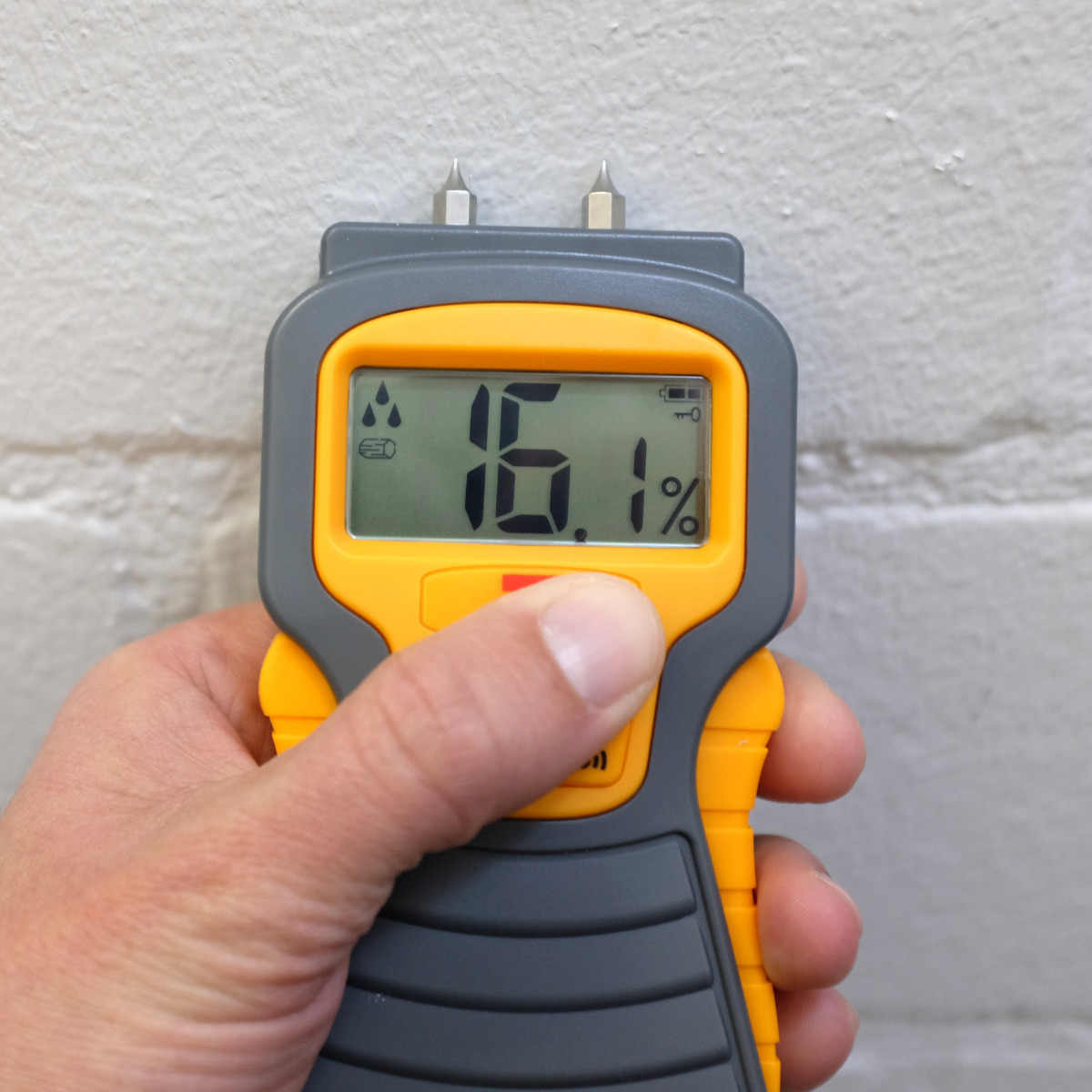
Moisture meters are used to measure dampness in drywall, wood, and flooring. Thermal imaging cameras may be used to locate hidden moisture patterns behind surfaces.
Humidity Measurement
Indoor humidity levels are checked to determine whether conditions are slowing the drying process.
Documentation and Recommendations
After testing, homeowners receive clear information about affected areas and recommended next steps for drying or repair.
Pompano Mold Inspection and Testing provides water testing and moisture detection services in Lighthouse Point, helping homeowners understand the full extent of moisture after plumbing leaks.
Risks of Ignoring Moisture After Plumbing Leaks
When moisture is not properly identified and dried, several problems can develop:
- Mold growth inside walls or cabinetry
- Structural damage to drywall or wood
- Persistent odors that return over time
- Damage to flooring or subfloor materials
- Increased repair costs later
Addressing moisture early helps prevent these complications.
Drying and Repair After Water Testing
Once moisture is detected, proper drying is essential. Depending on the severity of the leak, drying may involve:
- Removing wet materials when necessary
- Using air movers to increase airflow
- Operating dehumidifiers to remove moisture from the air
- Monitoring moisture levels until materials reach safe levels
Repairs are usually completed after drying is confirmed.
Proper Mold Removal and Remediation When Needed
If moisture has been present for an extended period, mold growth may develop. In such cases, remediation focuses on:
- Identifying and correcting the moisture source
- Removing contaminated materials when necessary
- Cleaning structural surfaces
- Using air filtration equipment
- Confirming dryness before rebuilding
Correcting the source of moisture ensures the problem does not return.
Air Ducts, HVAC Systems, and Plumbing Leaks
Plumbing leaks sometimes affect areas near ductwork or air handlers. Moisture in these systems can affect airflow and indoor air quality.
HVAC-related steps may include:
- Inspecting ducts for moisture
- Cleaning ducts if debris or dust has accumulated
- Checking condensate drain lines
- Ensuring proper airflow and ventilation
Maintaining HVAC systems helps prevent additional moisture problems.
Prevention Tips for Homeowners
Preventive maintenance reduces the likelihood of serious plumbing-related water damage.
Helpful steps include:
- Inspecting under sinks and appliances regularly
- Checking supply lines and fittings for leaks
- Replacing aging hoses and connectors
- Monitoring water pressure
- Repairing small leaks promptly
- Scheduling periodic moisture inspections
Routine checks help identify problems before they become significant.
Why Local Experience Matters
Homes in Lighthouse Point face environmental conditions that differ from many other regions. High humidity, coastal weather, and frequent storms influence how moisture behaves inside building materials. Professionals familiar with Broward County homes understand common moisture pathways and can identify hidden problems more efficiently.
Local experience helps ensure accurate testing and practical solutions tailored to the climate.
Calm, Trust-Based Call to Action
If your home has experienced a plumbing leak, even a small one, water testing can help confirm whether hidden moisture remains. Early detection protects building materials, improves indoor comfort, and reduces the risk of mold growth.
Pompano Mold Inspection and Testing works with homeowners and property managers throughout Lighthouse Point to locate hidden moisture, evaluate water damage, and recommend practical steps to restore dry, comfortable indoor spaces.