Moisture Detection Services in Fort Lauderdale After Roof Leaks: Common Causes and Solutions
Roof leaks are one of the most common causes of hidden moisture problems in Fort Lauderdale homes. Many property owners assume that if a ceiling dries after a storm, the problem is resolved. In reality, moisture often remains trapped in insulation, drywall, or structural materials long after visible water disappears. Over time, this hidden moisture can lead to structural deterioration, musty odors, and mold growth.
Moisture detection services help identify these hidden problems early, allowing homeowners, landlords, and property managers to address damage before it becomes more serious.
What Moisture Problems After Roof Leaks Really Are
When a roof leak occurs, water rarely stays in one place. It can travel along beams, drywall, and insulation before settling in areas far from the original entry point. Even small leaks can leave materials damp for extended periods, especially in humid climates like South Florida.
Common moisture-related issues after roof leaks include:
- Damp attic insulation
- Wet ceiling drywall
- Moisture trapped inside walls
- Warped baseboards or trim
- Mold growth in concealed areas
- Musty indoor odors
Because these problems often develop out of sight, professional detection is often necessary.
Why Roof-Leak Moisture Problems Are Common in Fort Lauderdale
Fort Lauderdale and nearby communities such as Pompano Beach, Lauderdale-by-the-Sea, Deerfield Beach, Margate, Coconut Creek, and North Lauderdale experience frequent heavy rains, high humidity, and seasonal storms. These conditions increase the likelihood of roof damage and slow drying times.
Several factors contribute to roof-related moisture problems:
- Aging roofing materials
- Wind-driven rain entering small openings
- Clogged gutters causing water backup
- Flashing failures around vents or chimneys
- Storm damage that is not immediately visible
Even newer roofs can develop leaks if seals or flashing components fail.
Common Signs Homeowners Notice
Moisture problems after roof leaks often present subtle warning signs. Property owners in Fort Lauderdale commonly notice:
- Water stains on ceilings
- Peeling or bubbling paint
- Musty smells in certain rooms
- Warped drywall or ceiling panels
- Increased indoor humidity
- Discoloration near vents or light fixtures
These signs indicate that moisture may still be present even if the leak appears to have stopped.
Hidden or Overlooked Sources of Moisture
Roof leaks frequently affect areas that homeowners rarely inspect. Moisture detection services often uncover water intrusion in:
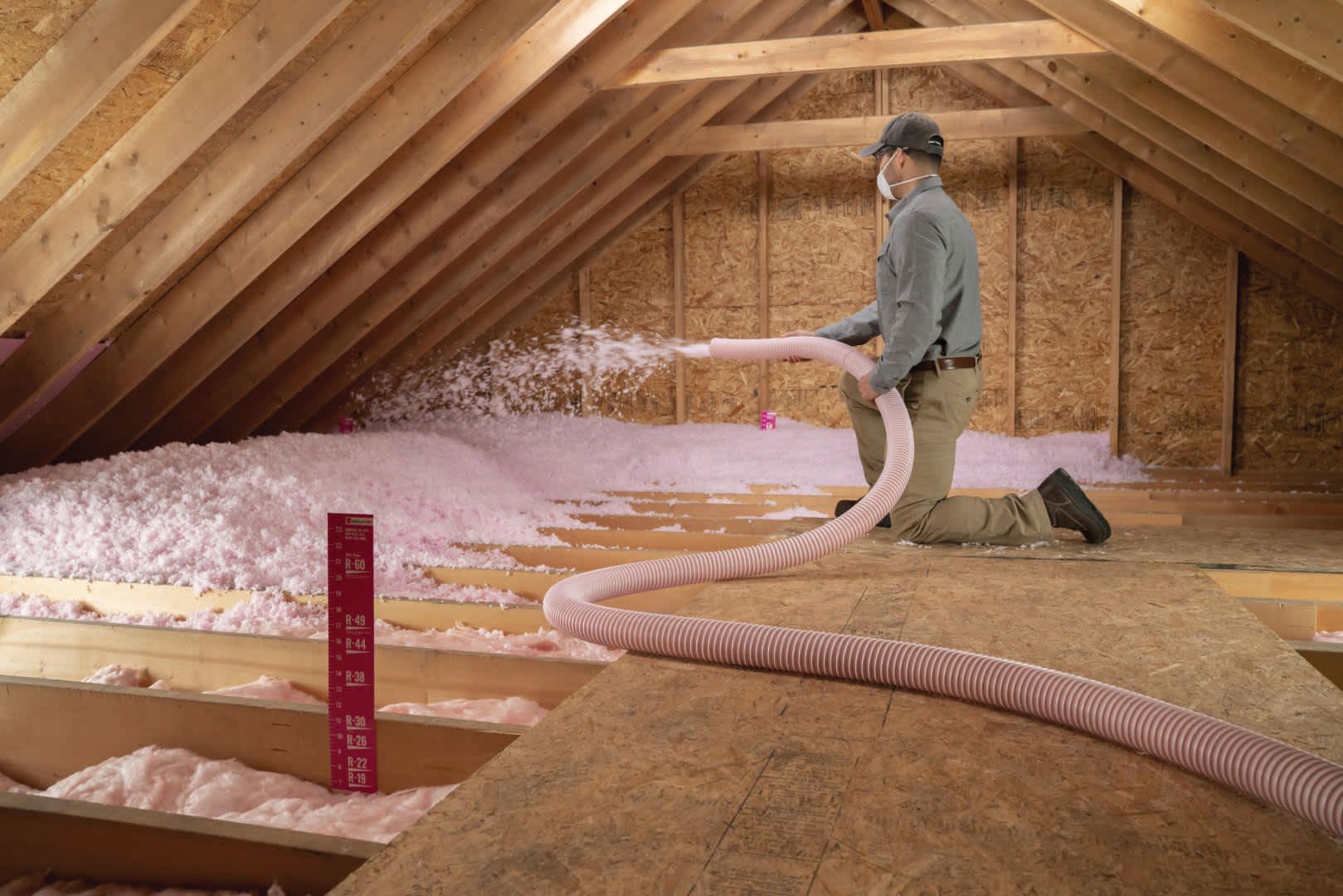
- Attic insulation and rafters
- Behind ceiling drywall
- Inside wall cavities
- Around air ducts passing through attics
- Electrical or light fixture openings
- Closet ceilings near roof lines
Because warm attic temperatures and high humidity slow drying, moisture can remain trapped for weeks if not properly addressed.
Why DIY Moisture Detection Often Falls Short
Many homeowners rely on visual inspection to check for water damage, but moisture can remain hidden beneath surfaces. Without specialized tools, it is difficult to determine whether materials are completely dry.
Common limitations of DIY methods include:
- Not detecting moisture behind drywall
- Misjudging drying time
- Overlooking attic insulation dampness
- Failing to identify secondary moisture pathways
- Painting over stains without addressing the source
Professional moisture detection provides a clearer picture of the extent of damage.
Professional Moisture Detection Services Explained
A structured moisture detection process typically follows several steps.
Initial Assessment
The inspection begins by discussing when the leak occurred, how long it lasted, and which areas were affected. This information helps guide the inspection.
Visual Inspection
Inspectors examine ceilings, attics, and surrounding areas for staining, discoloration, or material changes.
Moisture Detection Equipment
Specialized tools such as moisture meters and thermal imaging cameras help identify hidden dampness behind walls and ceilings. These tools can detect moisture that is not visible to the eye.
Humidity Measurement
Indoor humidity levels are measured to determine whether conditions are slowing the drying process.
Clear Recommendations
After the inspection, property owners receive practical recommendations for drying, repairs, or remediation if necessary.
Pompano Mold Inspection and Testing provides moisture detection services throughout Fort Lauderdale and Broward County, helping homeowners identify hidden moisture after roof leaks and prevent further damage.
Common Causes of Roof Leaks Leading to Moisture Problems
Understanding the cause of the leak helps prevent recurrence. Common causes include:
Damaged or Missing Shingles
Strong winds and storms can loosen roofing materials, allowing water to enter.
Flashing Failures
Flashing around vents, chimneys, or skylights can deteriorate over time, creating entry points for water.
Clogged Gutters
Blocked gutters cause water to pool and seep under roofing materials.
Improper Roof Repairs
Temporary patches may stop visible leaks but allow moisture to continue entering during heavy rain.
Condensation in Attics
Poor ventilation can cause condensation that mimics roof leaks and contributes to moisture buildup.
Solutions for Moisture Problems After Roof Leaks
Once moisture is detected, several steps may be recommended depending on the severity of the issue.
Roof Repairs
Correcting the source of the leak is always the first priority.
Drying and Dehumidification
Professional drying equipment removes moisture from air and building materials.
Insulation Replacement
Wet insulation may need replacement to prevent odors and mold growth.
Ceiling and Wall Repairs
Damaged drywall or finishes may require repair after drying is confirmed.
Moisture Monitoring
Follow-up checks ensure that materials remain dry and stable.
Proper Mold Removal and Remediation When Necessary
If moisture has been present for an extended period, mold growth may develop. Proper remediation focuses on:
- Identifying the moisture source
- Removing affected materials when needed
- Cleaning structural surfaces
- Using air filtration equipment
- Confirming dryness before repairs
Addressing moisture first ensures that mold does not return.
Flood Restoration and Water Damage Repair
In some cases, roof leaks combine with storm-related water intrusion, increasing the amount of moisture inside a property. Water damage restoration may involve:
- Water extraction
- Structural drying
- Moisture monitoring
- Repairing damaged materials after drying
Prompt action significantly reduces long-term damage.
Air Ducts, AC Systems, and Moisture After Roof Leaks
Roof leaks can also affect HVAC systems, especially when ductwork runs through attics. Moisture may enter ducts or insulation, affecting airflow and indoor air quality.
Air duct cleaning or inspection may be recommended when:
- Musty odors come from vents
- Moisture is detected near ducts
- Dust buildup is excessive
Maintaining HVAC systems helps prevent further indoor air problems.
How to Prevent Moisture Problems After Roof Leaks
Preventive maintenance helps reduce the risk of hidden moisture:
- Inspect roofs annually and after storms
- Keep gutters and drainage systems clear
- Check attics periodically for damp insulation
- Repair minor leaks promptly
- Ensure attic ventilation is adequate
- Monitor ceilings for staining or discoloration
Early detection and repair are the most effective ways to prevent costly structural damage.
Why Local Experience Matters
Homes in Fort Lauderdale face unique challenges due to heavy rainfall, coastal humidity, and high attic temperatures. Professionals familiar with Broward County conditions understand how moisture travels through roofing systems and building materials in this climate.
Local experience allows faster identification of problem areas and more effective long-term solutions.
Calm, Trust-Based Call to Action
If your Fort Lauderdale home has experienced a roof leak, even a minor one, hidden moisture may still be present. Moisture detection services provide clarity and help prevent larger problems such as structural damage or mold growth.
Pompano Mold Inspection and Testing works with homeowners and property managers throughout Fort Lauderdale to identify moisture sources, evaluate damage, and recommend practical steps to restore dry, healthy indoor conditions.