
Moisture Detection Solutions for Homes in Fort Lauderdale: Common Causes and Solutions
Moisture problems in Fort Lauderdale homes are rarely straightforward. High humidity, heavy rain, coastal weather patterns, and year-round air conditioning create constant opportunities for water to enter and remain trapped inside a structure. Often, homeowners don’t realize there’s an issue until odors, stains, or damage begin to appear. Moisture detection provides clarity by identifying hidden water before it turns into a larger problem.
For homeowners, landlords, and property managers, understanding common moisture causes and how detection solutions work is essential in a climate where moisture exposure is unavoidable.
What Moisture Detection Really Means
Moisture detection is the process of locating and measuring unwanted water inside a home, even when it’s not visible. It focuses on identifying where moisture is present, how concentrated it is, and whether it’s active or residual.
In Fort Lauderdale homes, detection commonly targets walls, ceilings, floors, attics, and HVAC systems. The goal is not just to find wet areas, but to understand how moisture is moving through the structure and why it’s there in the first place.
This information is the foundation for effective repairs and long-term prevention.
Why Moisture Issues Are So Common in Fort Lauderdale
Fort Lauderdale’s coastal location creates persistent moisture pressure on homes. High humidity levels mean materials absorb moisture more easily and dry more slowly. Frequent storms and heavy rain introduce water through roofs, walls, and foundations.
Air conditioning systems run almost constantly, producing large amounts of condensation. When drain lines clog, insulation fails, or airflow is unbalanced, that condensation can escape into walls or ceilings.
Slab foundations, common throughout Broward County, limit airflow beneath homes, allowing moisture to linger longer once it enters.
Common Causes of Moisture in Fort Lauderdale Homes
One of the most frequent causes is AC-related moisture. Condensation from air handlers, drain pans, and ductwork can slowly saturate surrounding materials if not properly managed.
Storm-related water intrusion is another major contributor. Wind-driven rain can force water through small gaps around windows, doors, and roof penetrations. Saturated soil can push moisture upward through slabs and flooring.
Plumbing leaks, even small ones, often go unnoticed inside walls or under floors. Over time, these slow leaks create persistent damp conditions that require professional detection to identify.
Early Signs That Point to Hidden Moisture
Homeowners often notice subtle changes before requesting moisture detection. Musty or earthy odors are one of the most common indicators, especially after storms or when the AC runs.
Water stains on ceilings or walls, peeling paint, or bubbling drywall may appear gradually. Some homes feel unusually humid or uncomfortable despite normal cooling. Flooring may feel slightly soft or uneven in isolated areas.
These signs suggest moisture is present somewhere inside the structure, even if the source isn’t obvious.
Hidden Areas Where Moisture Commonly Collects
In Fort Lauderdale homes, moisture often hides in places that are rarely checked. Wall cavities along exterior walls are frequent problem areas after storms. Attics can trap moisture from minor roof seepage combined with poor ventilation.
Flooring installed over slab foundations may conceal moisture beneath tile, carpet, or laminate. AC systems and ductwork are also common sources, especially when insulation is damaged or airflow is restricted.
Moisture detection helps locate these hidden pockets before damage becomes widespread.
Why Visual Inspection Alone Falls Short
Visual inspection only shows what’s already visible. It can’t determine how saturated materials are or whether moisture is still actively entering the home.
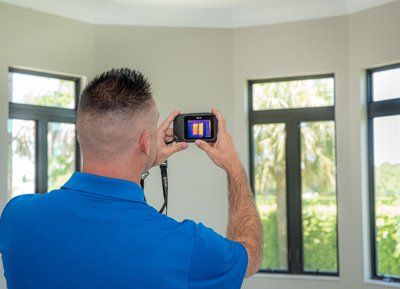
Moisture detection tools measure moisture levels inside drywall, wood, insulation, and flooring. Thermal imaging can reveal temperature differences that often indicate damp areas behind surfaces.
This data-driven approach removes guesswork and ensures that repairs address the real problem, not just surface symptoms.
How Professional Moisture Detection Is Performed
Professional moisture detection begins with a thorough walkthrough of the home. Inspectors evaluate interior spaces, exterior walls, attic areas, flooring, and HVAC components.
Moisture meters are used to identify elevated moisture levels. Thermal imaging helps locate hidden damp areas without invasive methods. AC drain lines, air handlers, and ductwork are often inspected, as they are common moisture sources in Fort Lauderdale homes.
Findings are documented clearly so homeowners understand what was found and why it matters.
Solutions Based on Moisture Detection Findings
Once moisture is identified, solutions can be tailored to the specific cause. AC condensation issues may require drain line cleaning, insulation replacement, or airflow adjustments.
Storm-related intrusion may involve sealing exterior gaps, repairing roofing components, or improving drainage around the home. Plumbing-related moisture may need targeted leak repair and localized drying.
If moisture has been present long enough to support mold growth, mold inspection and remediation may be recommended as part of the solution.
The Role of Moisture Detection in Mold Prevention
Moisture detection plays a key role in preventing mold. Mold depends on moisture, and early detection helps eliminate conditions that allow it to grow.
By identifying and correcting moisture problems early, homeowners reduce the risk of mold developing inside walls, ceilings, or HVAC systems. Even when mold is already present, detection helps ensure moisture sources are fully addressed so problems don’t return.
In Fort Lauderdale’s humid climate, this preventive approach is especially valuable.
Why Local Experience Matters in Fort Lauderdale
Moisture behaves differently in South Florida than in other regions. Professionals familiar with Fort Lauderdale understand how coastal weather, soil conditions, and construction styles affect moisture movement.
Local experience helps interpret detection results accurately and recommend practical solutions. Companies like Pompano Mold Inspection and Testing bring that regional knowledge when evaluating homes throughout Fort Lauderdale and surrounding Broward County communities.
A Practical Way to Protect Your Home
Moisture detection provides clarity in a climate where water exposure is constant. It helps homeowners understand what’s happening inside their homes and take action before small issues become major repairs.
By addressing common causes and applying targeted solutions, Fort Lauderdale homeowners can protect their properties, maintain indoor comfort, and reduce the long-term impact of moisture in a demanding coastal environment.