
Mold Inspection Solutions for Homes in Margate: A Complete Homeowner Guide
Homes in Margate are exposed to the same moisture challenges found throughout South Florida. High humidity, seasonal storms, aging plumbing, and heavy air conditioning use all contribute to conditions where mold can develop quietly. Many homeowners are surprised to learn that mold problems often exist long before any visible growth appears.
A proper mold inspection is designed to uncover hidden issues, identify moisture sources, and provide clear answers. For Margate homeowners, understanding how mold inspections work and when they are needed is an important part of protecting both property value and indoor conditions.
What a Mold Inspection Really Involves
A mold inspection is a detailed evaluation of a home to determine whether mold is present, where it may be developing, and why conditions allow it to grow. It goes far beyond looking for visible spots on walls or ceilings.
In Margate homes, inspections focus on moisture behavior. Mold cannot grow without moisture, so identifying water intrusion, condensation, or humidity imbalance is central to the process.
The goal of an inspection is not to alarm homeowners, but to provide accurate information that supports practical decisions.
Why Mold Is Common in Margate Homes
Margate’s climate creates year-round moisture pressure. Humidity remains high even outside of storm season, and heavy rains can overwhelm drainage systems quickly.
Many homes in Margate sit on slab foundations, which can trap moisture beneath flooring after storms or plumbing leaks. This moisture may slowly migrate upward into baseboards and drywall.
Air conditioning systems run for most of the year. When drain lines clog, ducts sweat, or insulation breaks down, condensation forms inside walls and ceilings.
Older homes may have aging plumbing, original windows, or roof systems that allow small leaks to persist unnoticed. Newer homes can still experience mold due to tight construction that limits natural airflow.
Situations That Commonly Require a Mold Inspection
Homeowners often request mold inspections after noticing musty odors that do not go away. These smells are frequently stronger when the AC is running and may point to hidden mold in ducts or wall cavities.
Inspections are also common after water events such as roof leaks, plumbing failures, appliance overflows, or storm-related intrusion. Even brief water exposure can create conditions for mold growth.
Real estate transactions are another common reason for mold inspections. Buyers and sellers often want clarity about indoor conditions, especially in older Margate homes.
In some cases, homeowners schedule inspections for peace of mind, particularly if the home has a history of moisture problems.
Common Areas Mold Inspectors Focus On
Mold inspections in Margate homes target areas most affected by moisture. Bathrooms, kitchens, and laundry rooms are inspected closely due to frequent water use.
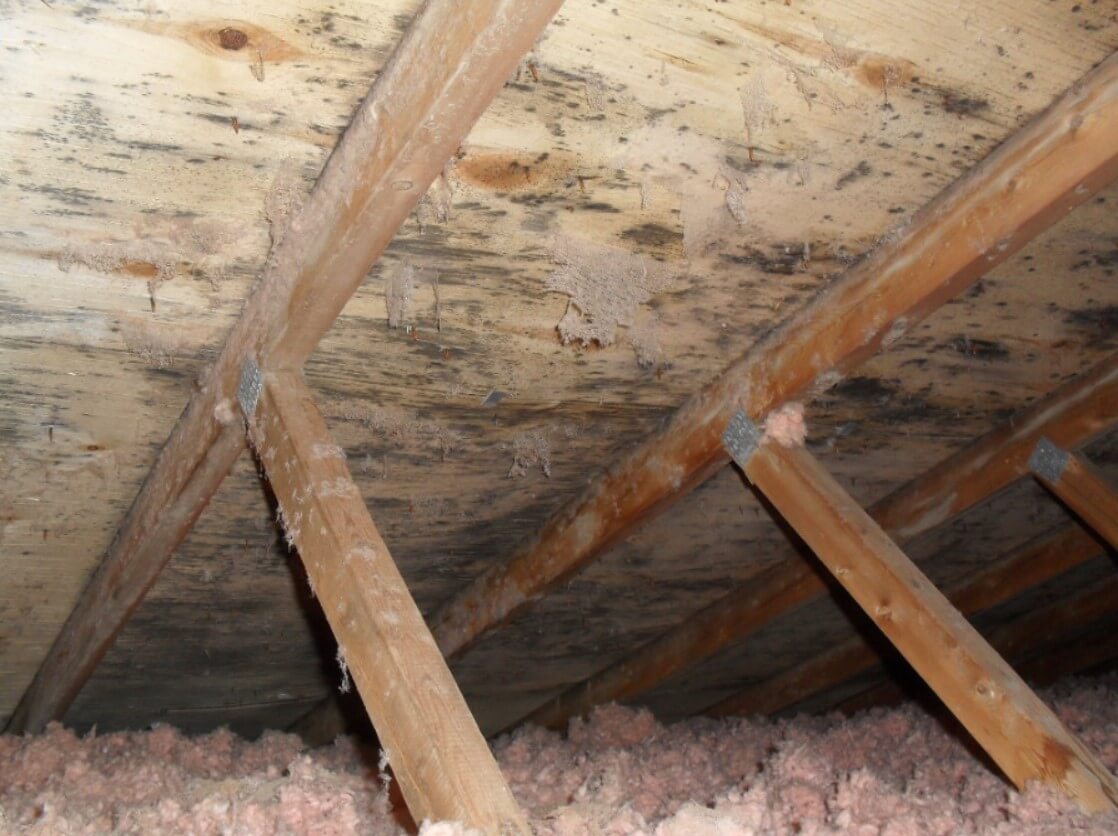
Attics are a major focus, especially after storms. Roof leaks and wind-driven rain can dampen insulation and roof decking without obvious signs indoors.
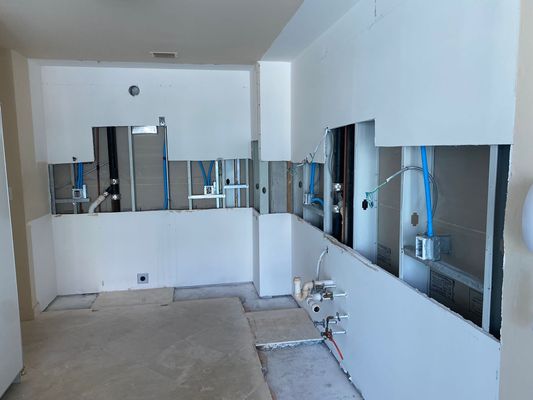
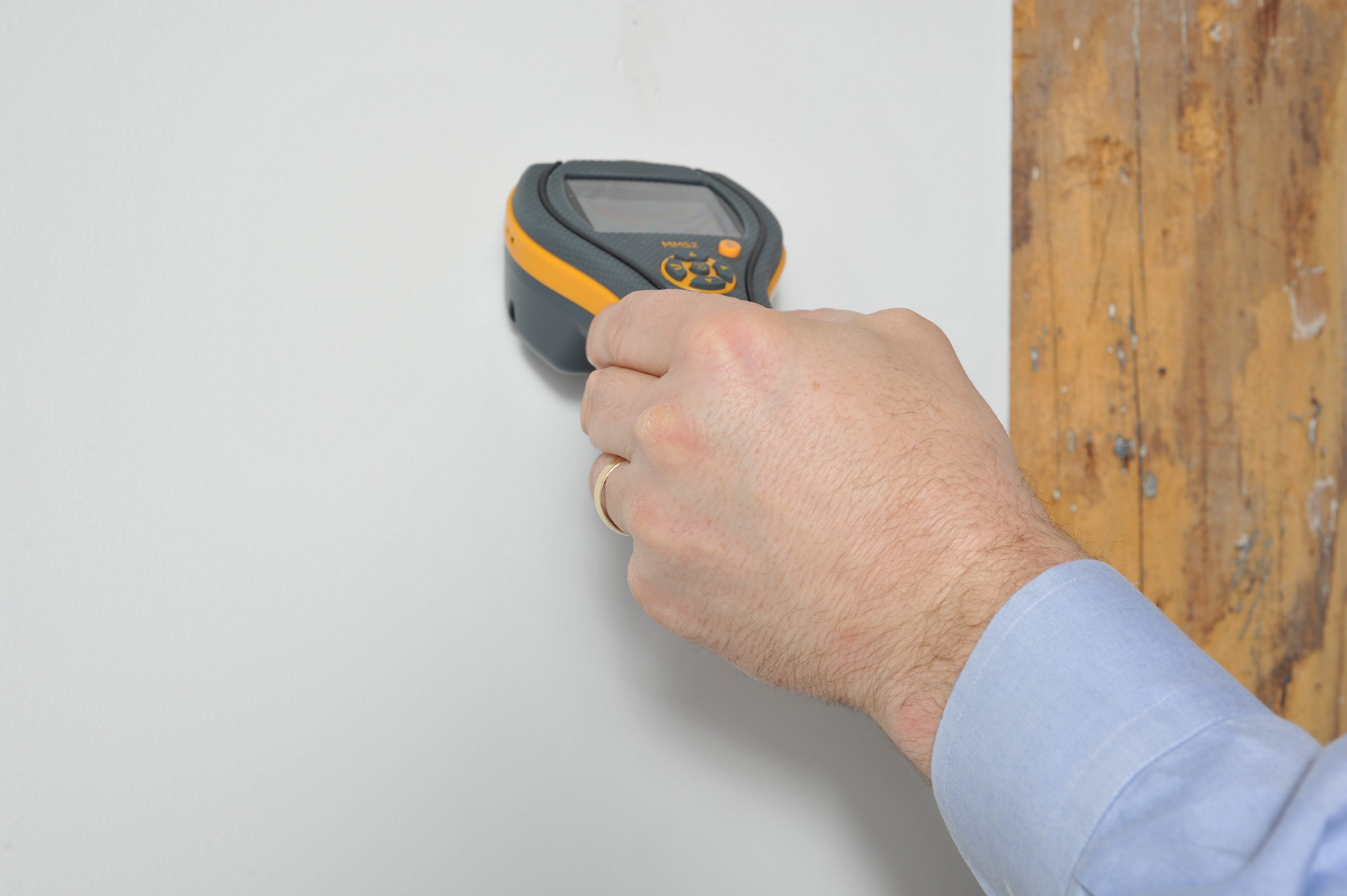
Wall cavities near plumbing lines, exterior walls, and windows are common inspection points. Moisture meters help detect dampness behind surfaces.
HVAC systems are also evaluated. Air handlers, return plenums, and ductwork can harbor mold when condensation is present.
How Moisture Detection Tools Are Used
Modern mold inspections rely on moisture detection tools rather than guesswork. Moisture meters are used to measure dampness in drywall, flooring, and other materials.
Thermal imaging may be used to identify temperature differences that suggest hidden moisture. These tools allow inspectors to pinpoint problem areas without unnecessary damage to the home.
Identifying moisture accurately helps ensure that any next steps are targeted and effective.
Mold Testing and When It Makes Sense
Mold testing is not always required, but it can be helpful in certain situations. Testing may be recommended when mold is suspected but not visible, or when homeowners want confirmation of conditions.
In Margate homes, testing can help distinguish between normal background mold levels and elevated levels caused by indoor growth. Results are most useful when combined with inspection findings and moisture data.
Testing alone does not solve mold problems, but it can provide valuable information for planning remediation or repairs.
Pompano Mold Inspection and Testing provides inspection and testing services in Margate and surrounding Broward County communities with an emphasis on accuracy and practical guidance.
Why Visual Inspections Alone Are Not Enough
Visible mold is often only a small part of the problem. Mold frequently grows behind walls, under flooring, or inside ducts where it cannot be seen.
A visual-only inspection may miss moisture trapped inside building materials. Without identifying the moisture source, mold issues are likely to return even after cleaning.
Professional inspections focus on conditions rather than appearances, leading to more reliable results.
What Happens After a Mold Inspection
After the inspection, homeowners receive a clear explanation of findings. This includes where moisture was found, whether mold growth is likely, and what factors are contributing to the issue.
If mold is present, recommendations may include mold remediation, water damage repair, AC moisture correction, or ventilation improvements.
If no mold is found, inspections can still highlight moisture risks and preventive steps to reduce future problems.
The purpose is to provide clarity, not pressure homeowners into unnecessary work.
Mold Inspections and Water Damage Connections
Many mold problems in Margate homes are tied to unresolved water damage. Leaks, flooding, and condensation often leave moisture behind even after surfaces dry.
Mold inspections help determine whether past water damage has resulted in hidden growth. This is especially important for homes with tile flooring or slab foundations.
Early detection prevents minor moisture issues from becoming major remediation projects.
HVAC Systems and Mold Inspections
Air conditioning systems are closely linked to mold behavior in South Florida homes. Condensation inside air handlers or ducts creates ideal conditions for mold growth.
Mold inspections often include evaluating HVAC components to identify moisture buildup, insulation failures, or airflow issues.
Addressing AC-related moisture problems is a key part of long-term mold prevention in Margate homes.
Preventive Tips Homeowners Can Use
Maintaining balanced indoor humidity is one of the most effective ways to prevent mold. Regular AC maintenance helps keep drain lines clear and systems running efficiently.
After storms or leaks, prompt drying and inspection reduce the risk of hidden moisture. Using exhaust fans in bathrooms and kitchens helps control humidity.
Scheduling periodic professional inspections is especially helpful for older homes or properties with a history of moisture issues.
Why Local Experience Matters
Mold behavior varies by environment. Margate homes face specific challenges related to climate, drainage patterns, and construction styles.
Professionals with local experience understand where moisture is most likely to enter and how mold typically develops in these homes.
Pompano Mold Inspection and Testing brings this local understanding to Margate, Coconut Creek, North Lauderdale, Pompano Beach, and surrounding Broward County areas.
A Calm, Informed Next Step
If you suspect mold or want clarity about moisture conditions in your home, a professional mold inspection provides valuable insight. It identifies hidden issues, explains causes, and supports informed decisions.
Taking a proactive approach helps protect Margate homes from ongoing moisture and mold problems while avoiding unnecessary repairs.
