

Mold Removal in Fort Lauderdale: Inspection and Repair Guide
Fort Lauderdale homes face constant moisture pressure. High humidity, frequent storms, coastal air, and year-round air conditioning use all contribute to conditions where mold can develop quietly. Many homeowners are surprised to learn that mold problems often begin long before any visible growth appears.
Mold removal in Fort Lauderdale is not just about cleaning surfaces. It requires proper inspection, moisture control, and targeted repairs to prevent recurring issues. Understanding how inspection and repair work together helps homeowners address mold effectively and protect their property.
What Mold Removal Really Means
Mold removal is a structured process focused on eliminating active mold growth and correcting the conditions that allowed it to develop. It goes beyond surface cleaning and addresses contamination within building materials.
In Fort Lauderdale homes, mold is almost always tied to moisture. Leaks, condensation, flooding, or high indoor humidity create environments where mold thrives. Removing mold without correcting moisture sources leads to repeated problems.
Effective mold removal restores dry, stable conditions inside the home so mold cannot return.
Why Mold Is Common in Fort Lauderdale Homes
Fort Lauderdale’s coastal climate keeps humidity levels high throughout the year. Even during dry periods, moisture remains present in the air and inside homes.
Heavy rain and tropical storms introduce water through roofs, windows, and foundations. Wind-driven rain can force moisture into small openings that are difficult to detect.
Air conditioning systems run for extended periods. When drain lines clog, ducts sweat, or insulation deteriorates, condensation forms inside ceilings and walls.
Older homes may have aging plumbing or roofing systems, while newer homes can trap moisture due to tight construction and limited airflow.
Early Warning Signs of Mold Problems
Mold issues often start with subtle signs. A persistent musty or earthy odor is one of the earliest indicators and may become stronger when the AC is running.
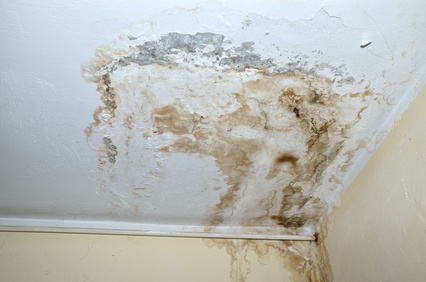
Discoloration on walls or ceilings, even faint gray or brown staining, can signal moisture behind surfaces. Paint that bubbles, peels, or cracks without an obvious cause is another warning sign.
Homeowners may also notice warped baseboards, soft drywall, or increased condensation on vents and windows. These signs often appear before visible mold growth.
Hidden Areas Where Mold Often Develops
In Fort Lauderdale homes, mold frequently grows out of sight. Wall cavities near plumbing lines are common locations due to slow leaks.
Attics are another major trouble spot, especially after storms. Mold can grow on roof decking and insulation without immediately affecting living areas.
HVAC systems are often overlooked. Dust combined with condensation inside air handlers and ducts creates ideal conditions for mold growth.
Under sinks, behind appliances, and beneath bathroom flooring are also common mold locations, particularly after minor water intrusion.
Why DIY Mold Removal Rarely Works
Many homeowners attempt to remove mold using household cleaners. While this may remove visible staining, it does not eliminate mold embedded in porous materials.
Drywall, wood, insulation, and carpet padding allow mold to grow beneath the surface. Cleaning only what you can see leaves hidden contamination behind.
DIY efforts also fail to address moisture sources. Without correcting leaks, condensation, or humidity issues, mold will return.
Improper cleaning can spread spores into other areas of the home, making the problem worse.
How Professional Mold Inspection Works
Mold removal begins with a thorough inspection. In Fort Lauderdale homes, inspections focus on identifying both mold growth and moisture sources.
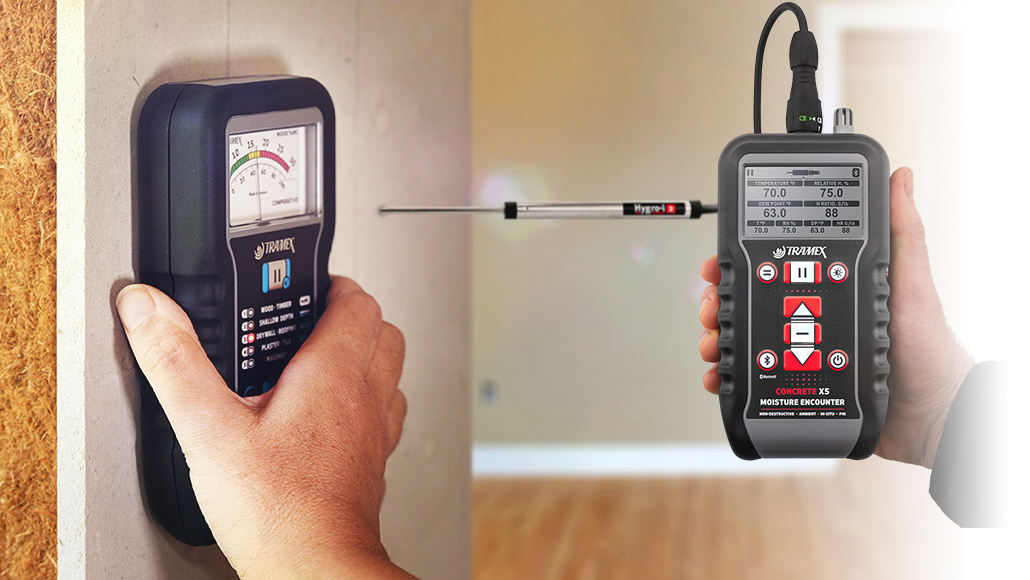
Moisture detection tools are used to locate water intrusion inside walls, ceilings, floors, and HVAC components. Thermal imaging may be used to identify hidden moisture patterns.
When appropriate, mold testing helps determine the extent of contamination and guide the remediation plan. Accurate inspection ensures that all affected areas are addressed.
Pompano Mold Inspection and Testing performs mold inspections throughout Fort Lauderdale and surrounding Broward County communities with a focus on accuracy and clarity.
Mold Removal and Remediation Process Explained
Once affected areas are identified, containment is established to prevent spores from spreading. This may include physical barriers and controlled airflow.
Materials that cannot be effectively cleaned, such as heavily contaminated drywall or insulation, may need to be removed. Salvageable surfaces are cleaned using professional-grade antimicrobial treatments.
HEPA filtration is used throughout the process to capture airborne spores. After mold removal, areas are dried thoroughly to eliminate remaining moisture.
Correcting the moisture source is a critical part of remediation. This may involve plumbing repairs, AC drainage fixes, improved ventilation, or humidity control.
Repairing Damage After Mold Removal
Mold removal often reveals underlying damage. Drywall, baseboards, cabinetry, or flooring may need repair or replacement depending on exposure.
Repairs should only begin after moisture levels are confirmed to be stable. Rebuilding too soon can trap moisture and lead to recurring mold problems.
Proper repairs restore the structure and help prevent future moisture-related issues.
Mold Removal After Water Damage or Flooding
Water damage is one of the leading causes of mold in Fort Lauderdale. Storm flooding, plumbing failures, and roof leaks introduce moisture that supports mold growth.
Professional water removal and structural drying are essential before mold remediation. Skipping drying steps often leads to mold appearing weeks or months later.
Addressing water damage correctly reduces the scope of mold removal and limits repair costs.
HVAC Systems and Mold Concerns
Air conditioning systems play a major role in mold behavior. Condensation inside ducts or air handlers can support mold growth out of sight.
Mold removal plans may include duct inspection and cleaning if contamination is suspected. Correcting AC-related moisture issues is essential for long-term prevention.
Proper airflow, insulation, and drainage help keep HVAC systems from contributing to mold problems.
Preventing Mold in Fort Lauderdale Homes
Prevention focuses on moisture control. Maintaining balanced indoor humidity is critical in coastal homes.
Regular AC maintenance helps prevent condensation and drainage issues. Promptly addressing leaks and water intrusion reduces mold risk.
After storms, inspections help catch hidden moisture early. Periodic professional inspections are especially helpful for older homes or properties with a history of moisture issues.
Why Local Experience Matters
Mold behavior varies by location. Fort Lauderdale homes face specific challenges related to climate, construction styles, and storm exposure.
Professionals with local experience understand common moisture pathways and how mold typically develops in these environments.
Pompano Mold Inspection and Testing brings this local understanding to Fort Lauderdale, Lauderdale-by-the-Sea, Pompano Beach, Lighthouse Point, and surrounding Broward County areas.
A Practical Next Step for Homeowners
If you suspect mold or have experienced moisture issues, addressing the problem early can prevent extensive repairs. A professional inspection provides clarity, identifies hidden issues, and outlines practical solutions.
Taking an informed, structured approach is the most reliable way to manage mold removal and repairs in Fort Lauderdale homes.