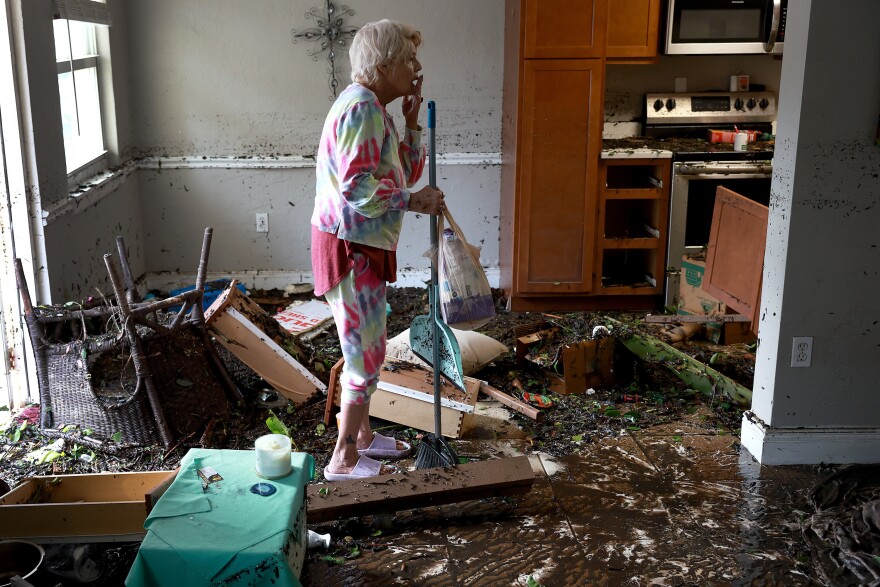
Hurricanes are a reality for homeowners in Coconut Creek, and the aftermath often brings more than just visible storm damage. Heavy rain, wind-driven water intrusion, and prolonged power outages create ideal conditions for mold growth. Even when flooding appears minimal, moisture can remain trapped inside homes, leading to mold problems weeks or months later. Understanding mold removal services after hurricanes helps Coconut Creek property owners protect their homes and prevent long-term damage.
For homeowners, landlords, and property managers in Coconut Creek and nearby areas such as Margate, North Lauderdale, Pompano Beach, Deerfield Beach, Lighthouse Point, Lauderdale-by-the-Sea, and Fort Lauderdale, addressing mold quickly after a hurricane is a critical part of recovery.
Understanding Mold Problems After Hurricanes
Mold thrives in damp, humid environments. After a hurricane, homes often experience water intrusion from roof damage, overflowing drainage systems, storm surge, or prolonged humidity due to power outages. Even if standing water is removed quickly, moisture can linger inside walls, flooring, insulation, and HVAC systems.
In Coconut Creek, mold can begin growing within 24 to 48 hours after moisture exposure. Without proper mold inspection and removal, small problem areas can expand and affect large portions of the home.
Why Hurricanes Lead to Mold Issues in Coconut Creek
Several local factors make Coconut Creek homes particularly vulnerable to post-hurricane mold growth:
- Heavy rainfall and intense storms
- Wind-driven rain entering roofs, windows, and doors
- High humidity levels before and after storms
- Power outages limiting air conditioning and ventilation
- Slab foundations that trap moisture beneath flooring
Even homes that appear undamaged from the outside may have hidden moisture inside, especially in neighborhoods with mature landscaping and limited drainage.
Common Signs Homeowners Notice After a Hurricane
Mold problems often surface days or weeks after a storm. Homeowners in Coconut Creek may notice:
- Musty or earthy odors
- Discoloration on walls, ceilings, or baseboards
- Peeling paint or bubbling drywall
- Warped flooring or soft spots
- Increased humidity indoors
These signs indicate moisture-related issues that should not be ignored, especially following a hurricane.
Hidden and Overlooked Sources of Post-Storm Mold
After hurricanes, mold frequently develops in areas that are not immediately visible. Common hidden sources include:
- Inside wall cavities behind drywall
- Beneath tile, laminate, or carpet
- Attics with roof leaks or blown-in rain
- Around air handlers and inside ductwork
- Under cabinets, sinks, and appliances
Without professional moisture detection, these areas can remain damp long enough for mold to spread unnoticed.
Why DIY Mold Cleanup Usually Fails After Hurricanes
Many homeowners attempt to clean visible mold using household cleaners after storms. While this may temporarily improve appearance, it rarely solves the underlying problem.
DIY cleanup often fails because it:
- Does not remove moisture trapped inside materials
- Misses hidden mold growth
- Spreads mold spores during improper cleaning
- Fails to address water intrusion and ventilation issues
Professional mold removal is necessary to ensure mold is removed safely and completely after hurricane-related water damage.
Mold Inspection and Testing After Hurricanes
Professional mold removal begins with a thorough inspection. Mold inspection and testing help determine where mold is present and why it developed.
This process typically includes:
- Visual inspection of storm-affected areas
- Moisture detection using specialized equipment
- Infrared scanning to locate hidden damp spots
- Mold testing when necessary
- Evaluation of HVAC systems and ventilation
Local providers such as Pompano Mold Inspection and Testing understand how hurricanes impact Coconut Creek homes and where mold is most likely to develop after storms.
Proper Mold Removal and Remediation Process
Once mold is identified, remediation focuses on safe removal and long-term prevention. Mold removal services after hurricanes may involve:
- Containing affected areas to prevent spread
- Removing contaminated materials when necessary
- Professional mold cleaning and mold removal
- Drying and dehumidifying the structure
- Correcting the moisture source
The goal is not just to remove visible mold, but to ensure it does not return.
The Role of Water Damage and Flood Restoration
Mold removal after hurricanes is closely tied to water damage repair. Without proper flood restoration, mold remediation alone is not enough.
Water damage services often include:
- Water removal and extraction
- Structural drying and moisture control
- Flood restoration after heavy rain
- Repair of damaged drywall, flooring, and insulation
- Leak detection and correction
In Coconut Creek, combining mold removal with water damage repair is essential for long-term protection.
Air Ducts, AC Systems, and Mold After Storms
Air conditioning systems often play a major role in post-hurricane mold issues. Moisture can enter ductwork through attic leaks or condensation during power outages.
Mold inspections frequently uncover:
- Mold inside air ducts
- Moisture buildup near air handlers
- Wet duct insulation
- Blocked or damaged drain lines
Air duct cleaning and AC-related moisture repairs are often necessary parts of mold removal after hurricanes.
Preventing Mold Growth After Future Hurricanes
While hurricanes can’t be prevented, mold damage can often be minimized. Homeowners in Coconut Creek can reduce risk by:
- Scheduling mold inspections after major storms
- Removing water quickly after intrusion
- Using dehumidifiers during drying periods
- Maintaining roofs, windows, and seals
- Keeping AC systems properly serviced
These steps are especially important for rental properties and homes that may remain unoccupied after storms.
Why Local Experience Matters After Hurricanes
Hurricane-related mold issues in Coconut Creek are shaped by local weather patterns, construction styles, and drainage conditions. Professionals familiar with Coconut Creek, Margate, North Lauderdale, Pompano Beach, Deerfield Beach, Lighthouse Point, Lauderdale-by-the-Sea, and Fort Lauderdale understand where storm damage commonly occurs.
Local experience leads to faster identification of problems and more effective solutions tailored to South Florida homes.
A Calm, Practical Next Step for Coconut Creek Homeowners
After a hurricane, mold removal is a critical step in restoring your Coconut Creek home. Professional inspection, proper remediation, and moisture control help protect your property and prevent recurring issues.
Working with an experienced local company like Pompano Mold Inspection and Testing allows homeowners and property managers to move forward with confidence, knowing mold and moisture concerns are being handled with care, accuracy, and long-term prevention in mind.